- Latest
- Trending

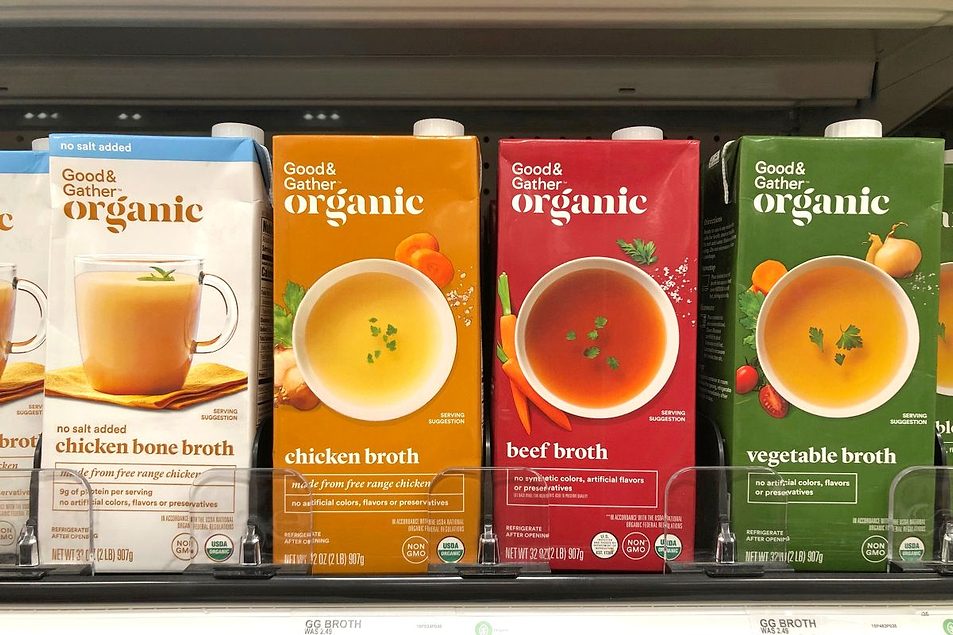
KANSAS CITY — Younger consumers currently over-index for organic, natural and non-GMO product claims, and the trend is only going to gain momentum as the spending power of the generations grows, especially as Gen Z settles into their family building years, said Anne-Marie Roerink, president, 210 Analytics, who spoke at IDDBA 2026, held June 8-10 in Orlando, Fla.
Research from the Organic Trade Association (OTA) supports the projection. The US organic sector experienced another year of sales growth in 2025, reaching a new high of $76.6 billion, reflecting a nearly 7% increase year over year and the strongest growth since the 2020 pandemic.
“This growth underscores ongoing consumer demand for certified organic products,” said Tom Chapman, co-chief executive officer at the OTA. “Sales of organic products were driven in large part by millennial and Gen Z consumers who are prioritizing health, wellness and sustainability in their purchase decisions, with an emphasis on what’s good for their bodies and the planet.”
While younger consumers, in general, may be more prone to purchase organic, John Loehr, insights director at market research firm Circana, said not to discount baby boomers and seniors.
“Organic foods are popular with older healthy consumers,” Loehr said. “These shoppers are more likely to buy fresh foods, pay attention to labels, seek functional benefits and adopt lifestyle-based nutrition patterns, such as organic.”
Of the overall organic market, organic food accounted for $70.1 billion in sales. It grew to a 6.1% penetration rate into the total food market, according to OTA research. It is an increase of nearly 7% for the year, with organic food growing three times as fast as the overall food market, which increased 2.3%.
Some of the growth in dollar sales may be attributed to inflation. It is true for both organic and the overall food and beverage market.
Data from Circana showed that products with health and wellness claims have higher average prices. Organic yields the highest premium at about 50%, followed by non-GMO at a 29% premium, while all-natural averages a 3% premium.
Hans Eisenbeis, director of mission and messaging at the Non-GMO Project, said, “GMO labeling isn’t maybe the hottest topic at the moment. But it has become table stakes in the natural products industry. It’s a mature program and very stable. It is still the No. 1 claim consumers look for on products.”
He said that about 28% of foods and beverages in the natural marketplace sport the Non-GMO Project butterfly seal, while another 20% self-make a non-GMO claim.
“That’s almost half of the natural products business,” Eisenbeis said. “It remains a signal to shoppers that a product is natural. They appreciate the transparency. … Current pricing pressures are forcing brands to wear their values on their sleeves. That’s where the Non-GMO Project third-party certification comes into play.”
Eisenbeis added that while other standards, such as the USDA Organic seal, include non-GMO specifications, only the Non-GMO Project has practices in place to enforce that a product meets the criteria.
The number of claims and labels showing up on foods and beverages grew in 2025, including growth for regenerative claims. Research by the OTA shows that younger generations consider the impact of production when making purchase decisions, with an increased interest in transparency and sustainability.
Key trends influencing the purchase of organic foods and beverages in 2025 included the desire for cleaner ingredients and formulation profiles.

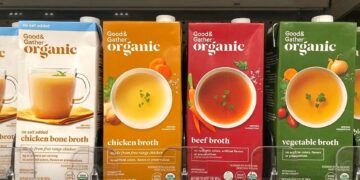
The Organic Trade Association said 2025 sales of foods with the USDA Organic seal were led by fresh produce, accounting for nearly 30% of total organic sales.
| Photo: ©THAMKC – STOCK.ADOBE.COM“The MAHA (make America healthy again) movement helped support the media narrative and consumer decision-making around ‘food as medicine’, with focus on free-from, including free-from chemicals, toxins and pesticides, hormones and antibiotics, dyes and unnecessary additives,” Chapman said. “This heightened discussion of what’s in our food aligns well with the values and benefits of organic and while it has helped to stimulate education and awareness, shoppers continue to be confused among a myriad of claims and certifications. This creates a unique and timely opportunity for organic to educate shoppers about the trust and reliability of the USDA Organic seal.”
Mark Rahiya, group president of omnichannel sales and services, Acosta Group, said, “Label reading is becoming a routine part of shopper decision-making. Consumers are actively seeking ingredients that support specific health goals. That creates an opportunity for natural and organic brands to connect through transparency and clearly communicated benefits.”
The OTA said 2025 sales of foods with the USDA Organic seal were led by fresh produce, accounting for nearly 30% of total organic sales with a steady growth rate of 5% for the year.
Produce has long been the primary entry point for organic food purchases. Berries are the top subcategory in terms of dollar sales growth over the past 10 years. Packaged salads come in at No. 3.
Dairy, milk and cream is the second-largest subcategory in terms of dollar sales growth from 2015 to 2025. Organic yogurt is in ninth place.
“This was driven by the increasing consumer preference for clean, portable protein,” Chapman said. “Organic yogurt products for babies and kids also saw sales increases. Organic egg sales rose significantly, even as prices remained high due to the long-term impact of the avian influenza epidemic that began in 2024. The growth in organic dairy and eggs aligns with the current health and wellness trend that is resonating with shoppers who are looking for high-quality, nutrient-dense products even when priced at a premium.”
Growth in organic grocery, the ambient packaged products typically found in the center of the store, “was driven by consumer demand for shelf-stable products, correlating to consumer desire for healthy plant-based foods, clean eating and overall affordability,” Chapman said.
Organic beverages also are having a moment. Growth was driven by perceived-as-clean ingredients and drinkable nutrition. The category also has seen demand for products with functional performance and wellness benefits, according to OTA research. Other beverage segments with double-digit growth included dairy alternatives; spirits, liquor and cocktails; and shelf-stable juices and drinks.
“In poultry, meat and seafood, the big story in 2025 was the growth in organic beef,” Chapman said. “Topping $1.4 billion in sales with an extraordinary growth rate of 44.3%, organic beef had the highest increase of any category for the year. While driven mainly by imports, efforts to grow domestic organic supply are in process with new products coming to market in 2026.”
Alexander Schultz, senior reporter, organic and non-GMO at Argus Media, said, “The organic market has been especially strong for poultry and eggs the past 18 months. Six million organic birds have been added to US agriculture the past two years.”
He added that organic dairy herds expanded in 2025 for the first time since 2021.
“The consumer demand is there,” Schultz said. “Processors need more organic milk.”
Schultz said the biggest challenge is that organic animal feed prices are high. However, the current situation with more organic birds has organic chicken taking market share from conventional beef.
Looking ahead, the organic sector is entering the latter half of the decade facing both uncertainty and opportunity built on consumer demand, continued regulatory enforcement, ongoing public-private investment, collaboration and advocacy, said Matthew Dillon, co-CEO of the OTA. Organic agriculture is positioned to remain a vital and growing part of the US food system, too.
“The long-term outlook for organic forecasts a compound annual growth rate of 5.6%, which has remained consistent since 2016,” Chapman said. “There are positive indications that strong industry growth will continue with annual organic sales projected to increase another $24 billion over the next five years. Organic is expected to cross the $100 billion threshold in 2030.”

Serena Williams will play singles at Wimbledon after accepting a wild card invitation, the All England Club announced Sunday. The...

Sega says sales of its 2025 games, Sonic Racing: CrossWorlds and Shinobi: Art of Vengeance, failed to meet its expectations...
Hideo Kojima has slyly dropped a single, brand new screenshot for his upcoming horror game OD, and even though it’s...
Tomb Raider: Legacy of Atlantis is a reinvention of the very first Lara Croft adventure from 1996. Developers Crystal Dynamics...
Discover Global News Panorama at news.mapworldnow.com — your universal gateway to comprehensive, international journalism. From politics and technology to culture and sports, we cover all news niches and all news categories from every corner of the world, all in one place.