- Latest
- Trending


Today, more people and brands are working to make fashion more environmentally friendly. As we learn more about how clothing production affects the environment and society, environmental labels have become important for sorting through all the different sustainability claims in the textile industry.
Knowing where a certification belongs makes our decisions easier and helps us ensure we protect what matters most to us.
Building on Eco-Stylist’s guide to ethical fashion labels, this article reviews what sustainable fashion certifications are, why they matter, and how they influence responsible fashion.
In this article, we’ll cover:
Eco-labels generally refer to environmental and social sustainability. They help us identify companies that aim to reduce their environmental footprint by sourcing organic and sustainable materials, using safer chemicals, or improving energy efficiency.
Various certifications focus on environmental footprint, whereas ethical standards cover broader areas such as labour rights, animal care, and supply chain responsibility.
In short, there are different certifications, but a sustainable and ethical approach looks at three main areas:
This particular specialization means a garment can meet environmental goals but still fail on wages, working hours, or animal rights. For example, a cotton T-shirt that is made with organic cotton and certified by the Global Organic Textile Standard (GOTS) may be better for the environment, but if it is not also Fair Trade certified, we have no guarantee that the workers who sewed it were paid fairly or worked in safe conditions. This simple case shows how something eco-certified can still fall short on basic labor rights.
So, knowing the differences among key certifications allows consumers to make better decisions.

Let’s break down the environmental metrics behind certifications schemes into two main areas:
If you want a more detailed overview of sustainable fashion labels, check out our article on the top certifications that help you spot truly sustainable brands.
The environmental damage of fast fashion on our planet is undeniable. According to the UN, “total greenhouse gas emissions from textile industry production, at 1.2 billion tonnes annually, are more than those of all international flights and maritime shipping combined. By some estimates, sector emissions are expected to rise by more than 60% by 2030.”
The apparel industry uses huge amounts of water, energy, and raw materials, depleting resources and generating significant pollution.
That’s why one of the main things green standards check is how well resources are used. This can include:
Due to the complexity of the manufacturing process, leading certifications often cover certain steps. For example, a textile certification might assess how the fabric is sourced but not how the clothes are put together, making the evaluation stage-specific rather than covering the entire lifecycle.
Another example, some certifications also aim to measure energy use or pollution at specific stages, such as sourcing materials or manufacturing the product. This means a product might meet climate rules for one part of its production but not show the company’s total pollution.
Knowing these details can help explain why a product might have a standard certification even if some parts of its production are not thoroughly checked.
Before the raw materials enter the textile supply chain, workers are exposed to harmful chemicals during cultivation. According to a recent study published in the journal Public Health, 385 million people in agriculture fall ill with acute pesticide poisoning every year.
Also, chemicals from factories can get into rivers and lakes, damaging aquatic life and food sources. This pollution can cause cancer, genetic changes, and long-lasting health problems for humans, animals and the environment. Poisoning can lead to an increased risk of brain and heart disease and stroke.
That’s why chemical management is a big part of green certification standards. They check whether restricted or hazardous chemicals are used and whether less harmful alternatives are in place.
This sector often includes:
Thanks to these independent certifications, fashion companies are pushed to lower environmental and health risks. Remember, these standard certifications are meant to reduce the use of harmful chemicals, not to guarantee fairness for workers.
To learn more about these certifications and what to look for, check out our guide to non toxic clothing.

It’s vital to understand that certifications may leave out some important aspects of the production, such as:
We know how confusing it can be. Let’s try to make things clear with more specific examples.
Better Cotton doesn’t mean it is organic, too.
BCI is a non-profit organization and the largest cotton sustainability program in the world. It aims to improve the sustainable production of cotton worldwide by training farmers to use water efficiently, care for soil health, reduce the use of harmful chemicals, and apply decent work principles. BCI strives to do this by setting clear criteria for participants while encouraging and ensuring that companies integrate social and environmental, and economic fairness.
So, when you come across a product with the BCI logo, you’re buying from a brand committed to sourcing cotton more ethically and investing in BCI farmers. But it doesn’t say anything about the working conditions, the manufacturing process, the traceability or the use of pesticides. This is because BCI cotton isn’t as sustainable as organic cotton.

Protecting Forests, Not Water Use.
The Forest Stewardship Council or FSC is a global not-for-profit organization that works to keep forests safe. When a brand is FSC certified, it ensures that wood and forest-derived s are sourced from responsibly managed forests. In fashion brands, it guarantees fibres like viscose, lyocell, and modal come from sustainable, environmentally and socially responsible sources. However, companies and products certified by the FSC may not be sustainable in their water use or in their manufacturing processes.
Great encouragement for companies, still a lot to do for the environment.
Produced by the Cradle to Cradle Products Innovation Institute, this certification encourages companies to design products that can be fully reused or recycled without harming human health or the environment. It promotes a circular economy through the use of recycled materials, envisioning a sustainable future where waste from one product becomes the raw material for another.
The certification had a positive impact on human health and the environment. However, a cradle to cradle certified™ product is primarily focused on the earliest stages of its life cycle rather than the full manufacturing process, and it is not designed to reduce waste or keep it out of the landfill.
It’s a globally recognized, independent testing certification ensuring textiles are free from harmful levels of over 300 harmful substances (e.g., pesticides, heavy metals, formaldehyde), making products safe for human health. However, it doesn’t focus on social accountability, ethical labor practices or assembly practices. Also, it does not guarantee that the fibres grew organically or that the manufacturing process is environmentally friendly.
Given the complexity of sustainable and ethical clothing certifications, it’s easy to feel confused. We see expressions like “green,” “ethical,” “sustainable,” and “responsible” everywhere, along with logos that promise trust. So, we interpret that unique logo as all-inclusive.
Nothing wrong with it, it is simpler to quantify organic fibre percentages or chemical restrictions than to prove living wages over multiple countries.
This does not mean green certifications are trying to mislead us. They just cover less than many shoppers think. And knowing about this gap helps us stop unintentional greenwashing and better understand our purchases.
One easy way to guard against greenwashing is to check for third-party verification or multiple credentials. Brands that have a strong commitment to sustainability usually have more than one eco-label and are open about the details behind their claims. If a brand only uses vague sustainability language or relies on its own, self-created logos, take an extra moment to look for independent standards or more transparent information.

In our busy lives, we don’t have time to understand what every single certification verifies. Plus, many of us are not industry experts. Green labels can help narrow options and make us feel safer, but if we want more details when we purchase a new garment, we should go beyond the logo.
A quick tip for busy shoppers: Check if the brand lists its factories, wage policies, or other details about where and how its products are made. Many sustainable clothing brands have a dedicated ‘Sustainability’ or ‘Ethics’ page that focuses on their sustainable practices.
Here are four sustainable ways to shop beyond eco-labels:
As we said, living wages are rarely included in environmental labels. Yet, brands which focus on fair pay always communicate it clearly, often by referencing wage benchmarks or independent verification. Specifically, look for:
Again, environmental labels may apply only to one specific material or factory, but supplier disclosures give a bigger picture. That’s why it’s important to look for named factories or regions, or updated impact reports, with measurable goals. When we encounter this level of transparency, we can be sure that the brand is fully committed to accountability.
A brand without a policy doesn’t guarantee any real ethical commitment. So, it’s vital to check if a company has one. Brands that produce socially responsible clothing regularly publish:
to show that their responsibility extends beyond environmental metrics and includes the well-being of their workers.
In a world dominated by social media, getting in contact with a brand is easier than ever. Brands tend to respond quickly on social media platforms such as Instagram or X to avoid long-term problems. Getting in touch can be revealing and helpful. Also, transparent brands welcome meaningful questions that can help them improve and achieve their goals.

Let’s be clear: it can be difficult to say for sure whether a brand is truly ethical or fully sustainable.
It’s very difficult for big brands to meet all the sustainability and social standards. Their supply chain is complex, and they cannot be sure every part of their business is fair and ethical. So, they are often not completely transparent with their customers, even though they try to reduce their environmental footprint and treat workers fairly.
For an easier solution, you can find over 100 certified fashion brands in our trusted ethical shopping guide. We do comprehensive and independent research on thousands of brands to combat greenwashing–and only those that pass make it into our brand guide.
It is free to use and offers a comprehensive detailed brand rating.Here, brands earn their ratings based on our three pillars of criteria:
We’ve researched thousands of fashion brands to find the top 10% performing ones for people and the planet. We review their performance and score them within three criteria:
The brand criteria use a point system from 0 to 100, and brands need 50 or more points to pass. When evaluating a brand, we consider all existing certification bodies, such as Fair Trade, GOTS, WRAP, and more. If you want to learn more about our rating system, have a look here.
Eco-Stylist’s ethical brand directory helps you to research and choose brands that align with what you care about most. It explains why standards have been met rather than just calling it “ethical.” Also, it covers many areas of responsibility, helping you see beyond a single type of certification and get a fuller picture of eco-friendly brands.
Eco-Stylist believes that for sustainable fashion to become the norm, products must meet and exceed the quality and aesthetic of global fashion. Thanks to an holistic approach to sustainability, Eco-Stylist certifies brands that are leaders in ethical and sustainable fashion, helping shoppers make more conscious choices.
Now that you know what green certifications actually measure — and where the gaps are — here’s a quick video breakdown to help you spot greenwashing red flags before you buy.
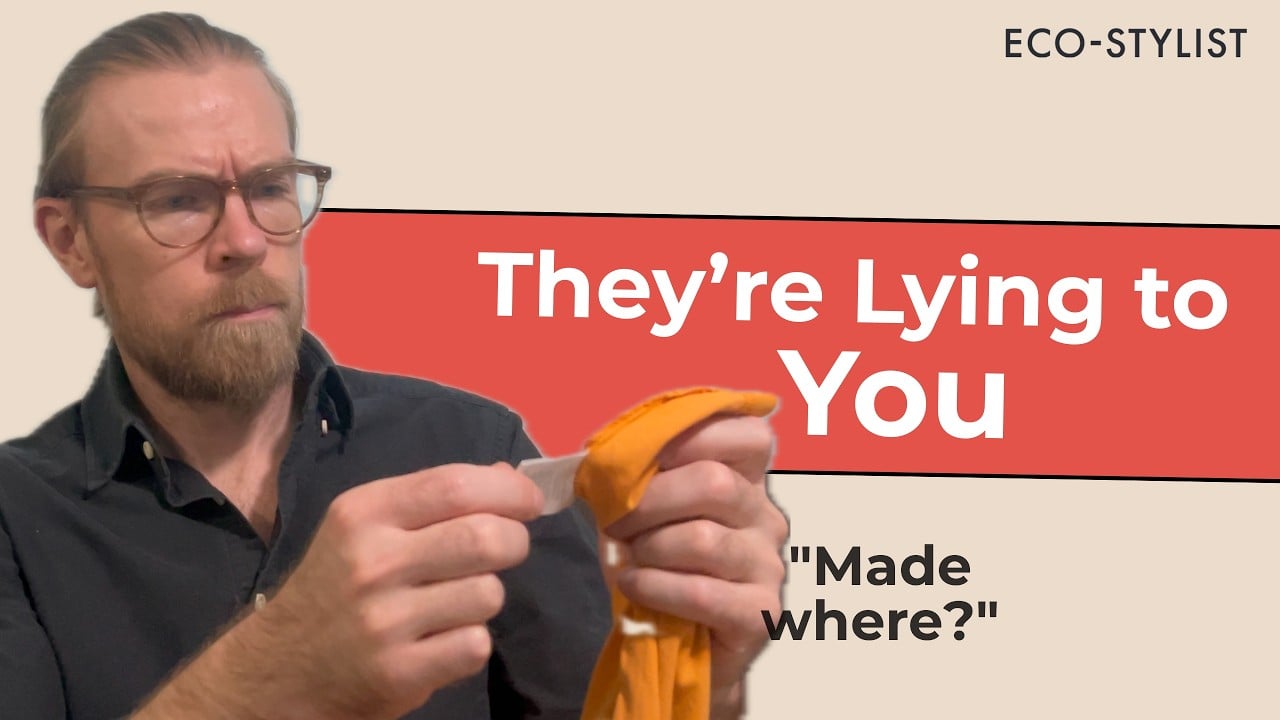
Ready to skip the guesswork entirely? Eco-Stylist has already vetted over 100 brands against our three pillars: transparency, fair labor, and sustainable materials. Explore our certified brand directory and shop with confidence.
Want more guides like this? Subscribe to our newsletter below, and follow us on social media for weekly ethical shopping tips.
Do you have any questions? Let us know!

Mara Fasano is a freelance writer and journalist covering sustainability and culture through reported features, interviews, and narrative storytelling for international audiences.

Serena Williams will play singles at Wimbledon after accepting a wild card invitation, the All England Club announced Sunday. The...

Sega says sales of its 2025 games, Sonic Racing: CrossWorlds and Shinobi: Art of Vengeance, failed to meet its expectations...
Hideo Kojima has slyly dropped a single, brand new screenshot for his upcoming horror game OD, and even though it’s...
Tomb Raider: Legacy of Atlantis is a reinvention of the very first Lara Croft adventure from 1996. Developers Crystal Dynamics...
Discover Global News Panorama at news.mapworldnow.com — your universal gateway to comprehensive, international journalism. From politics and technology to culture and sports, we cover all news niches and all news categories from every corner of the world, all in one place.