- Latest
- Trending
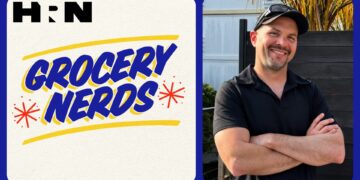

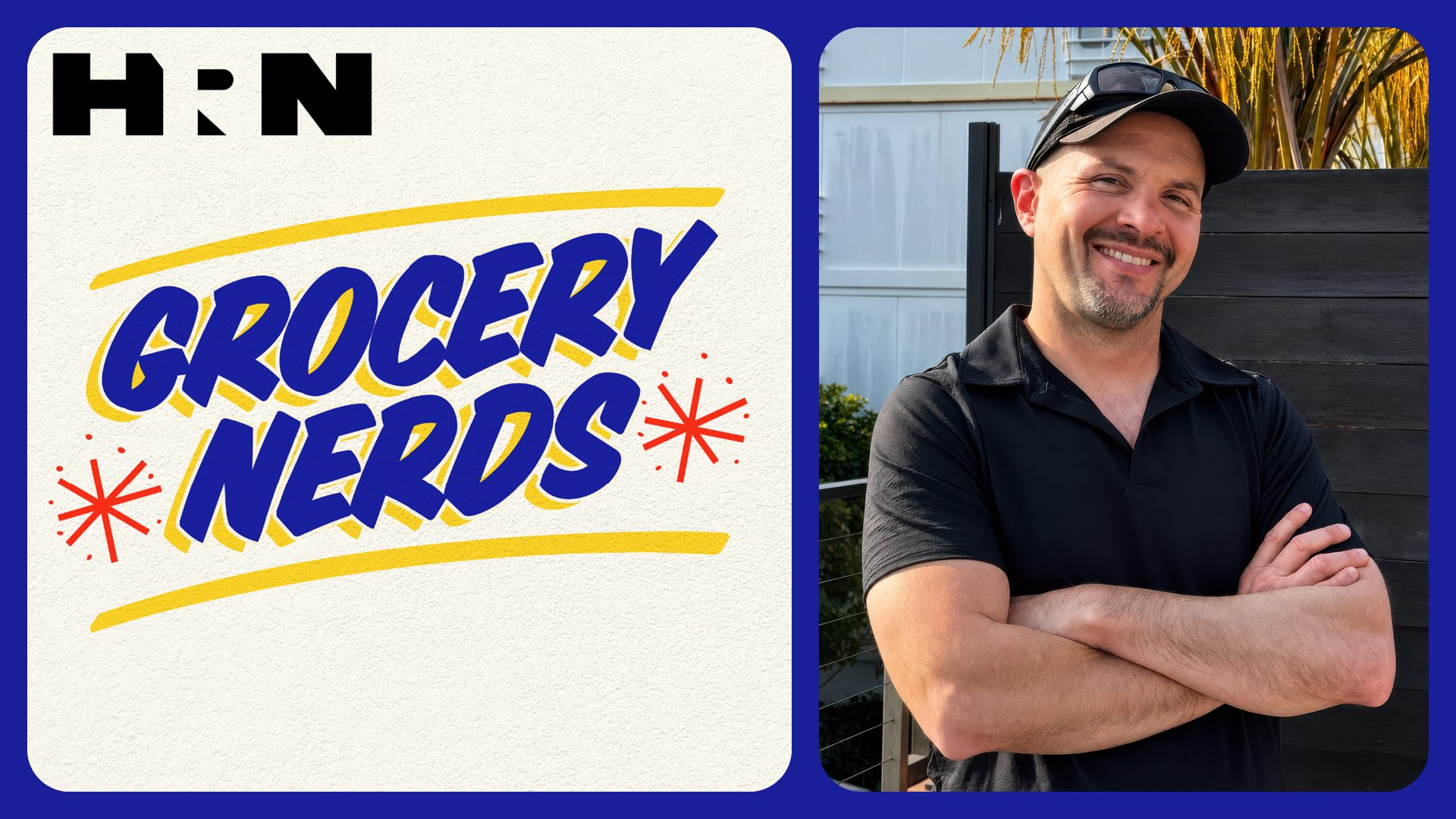
You don’t have to speak with Errol Schweizer long to realize his new podcast is a passion project. The new “Grocery Nerds” podcast – launched on Heritage Radio Network, in partnership with The Food Institute – was designed to cut through the noise, with no-nonsense commentary on the current state of retail.
“It’s always fun to talk about the trendy stuff, but I’m (also) going to talk about the macroeconomics,” Schweizer said. “And the first major trend in retail these days is food is too expensive.

“My grocery prices have gone up 55 percent, more or less, in 10 years – and my income sure hasn’t, because I’m paying a lot more for food.”
Issues like geopolitical unrest, shrinking beef herds, and the New World screwworm all factor in to rising food prices. Still, high grocery prices at major retailers don’t sit well with Schweizer.
“Most of the core items that people buy every day have gone up in price 30% to 70%, just in the last five or six years. The Consumer Price Index just showed that grocery prices are up again,” said Schweizer, a 30-year food industry veteran and former VP of grocery at Whole Foods Market.
“People are still paying a lot more for food. We can’t talk about all the cool, fun stuff in the retail industry until we deal with that. We see a lot of positive stuff too, but it all gets wrapped up in the macroeconomics. Those are things that, for me, I wake up thinking about every day.”
And Schweizer plans to discuss such topics at length on “Grocery Nerds” episodes, while conversing with some of the retail industry’s most respected leaders.
The new podcast series aims to demystify real-world grocery business operations, including market segmentation. “Grocery Nerds” will also spotlight emerging brand innovators, and explore how independent and co-op operators are competing – and often winning – within a cutthroat industry.
In 2026, the grocery sector sits at a crossroads in multiple respects. Schweizer, who has brought more than 6,000 products to market in his accomplished career, feels market concentration is a major issue in the U.S. grocery sector.
“The top three grocers in almost every major metro in the U.S. are Walmart, Kroger, and Albertsons. So, for the most part, you’ve got three grocers controlling, really, the majority of market access.”
Those three grocery giants represent a huge chunk of consumer market share.
“When you control markets, you really control pricing,” Schweizer said. “A lot of my economics knowledge is based off having managed store, regional, and then national profit and loss for a long time; I’ve lived it and survived it. And, let me tell you, market power means pricing power – period. So that’s a major issue.”
Though mass marketers and discounters offer low prices, Schweizer has noticed an increasingly apparent “water-bed effect,” in which lower prices at mass merchandisers essentially create a market floor that means prices simply can’t go any lower (a topic that will be thoroughly discussed in an upcoming “Grocery Nerds” episode.)
“Market power and pricing power, this is hand in glove, and we can’t have a conversation in this country abut lowering grocery prices until we address the elephant in the room – which is market concentration and the ensuing pricing power, and then profiteering.”
Labor is another issue on Schweizer’s mind lately. He travels to dozens of grocery stores each year and, with rare exception, he sees less employees than in the past. That’s not ideal for the retail industry.
“Grocers see labor as a variable expense, and they walk a fine line every time they reduce it; they know that goes directly into the bottom line, but they can’t reduce it much (or else) they know that will hurt their sales, hurt their revenue, and hurt their operations,” Schweizer said.
“There’s always this implicit nickel-and-diming in the grocery industry that hurts store-level labor – and that includes not paying people enough.”
Trying to scrape by with bare-bones staffs tends to hurt businesses in the long run.
“Many of us in the industry started out as stock clerks, or baggers – at the entry level – and moved up,” Schweizer said. “Well, if you’re eliminating entry-level jobs, then you’re not seeing as many young people work.”
Schweizer credits independent grocers that still, in many cases, provide plenty of teenagers with their first job.
“At these independent grocers you see kids doing the bagging; to me, that’s the future of the industry,” Schweizer said. “These kids who are bagging or cashiering, maybe one day they’ll be a manager, or they’ll be in a regional purchasing position, or they’ll run their own store.”
Rising grocery prices, market concentration, and labor are just a few of the hot-button topics that Schweizer plans to tackle on his new podcast series. His only agenda: to tell it like it is.
“We want,” Schweizer said, “to create an army of grocery nerds.”
What is America’s appetite for duck – and is it growing? The Jurgielewicz brothers – Dr. Jim, Joey, and Michael – joined The Food Institute Podcast to talk about how Joe Jurgielewicz & Son is continuing the company’s long history while innovating for the future, all while maintaining a balance between family and business.


Epic Games has detailed some of the features in its next generation Unreal Engine - Unreal Engine 6 - and...

Epic Games has detailed some of the features in its next generation Unreal Engine - Unreal Engine 6 - and...
Summary Michelle Obama wore a custom Acne Studios skirt featuring a portrait of her late mother while speaking on stage...
Your support helps us to tell the storyFrom reproductive rights to climate change to Big Tech, The Independent is on...

Discover Global News Panorama at news.mapworldnow.com — your universal gateway to comprehensive, international journalism. From politics and technology to culture and sports, we cover all news niches and all news categories from every corner of the world, all in one place.