- Latest
- Trending
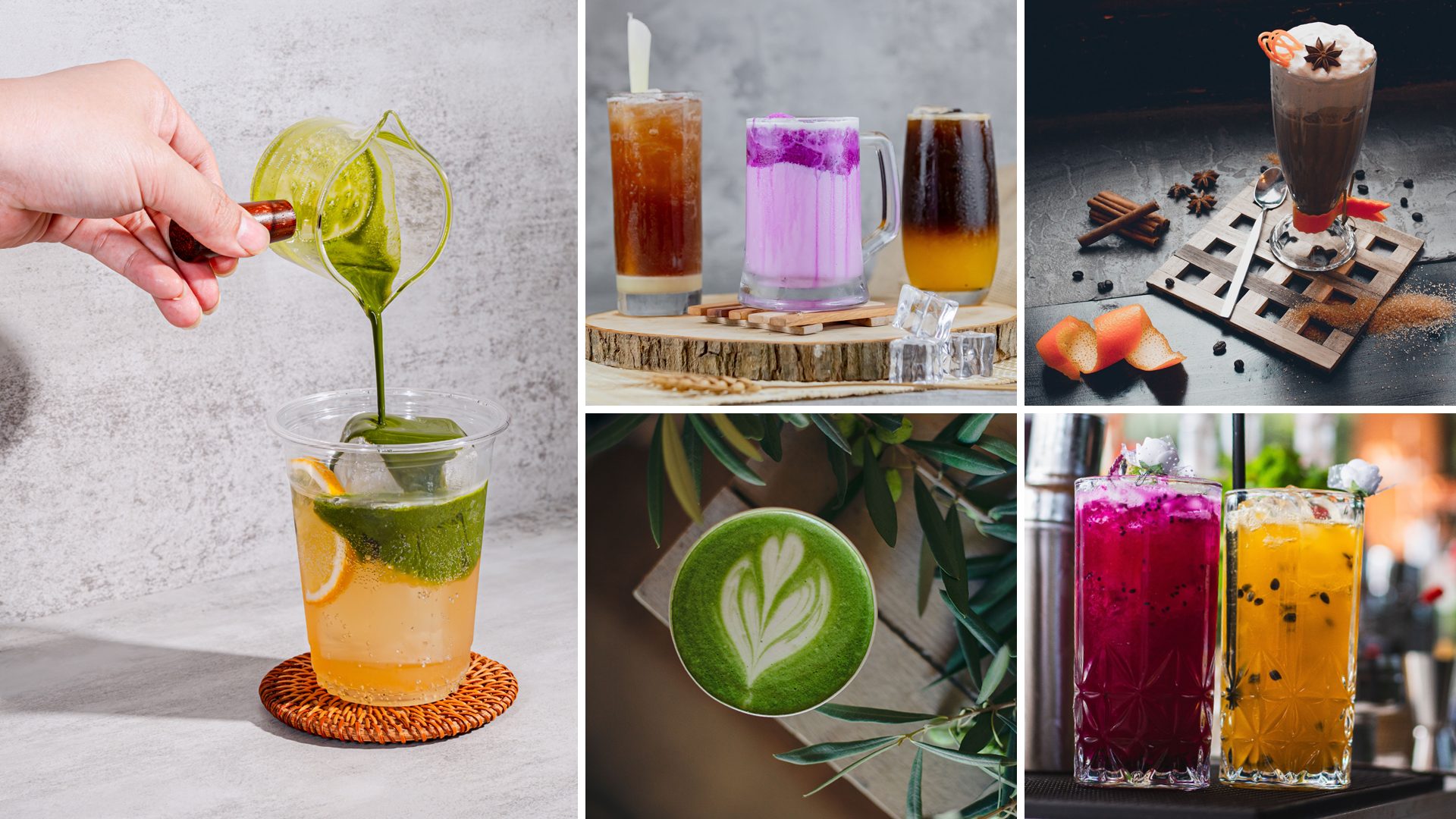
CHICAGO – Americans have developed an insatiable thirst for cold coffee, customizable energy drinks, and refreshers. That much was apparent at the recent Coffee Fest Chicago.
Coffee shop owners and baristas gathered in the Windy City to learn about emerging global flavors and how to increase revenue through items like multi-textured signature drinks.
The vendors were plenty, and the attendees were heavily caffeinated. Here’s a look at the trends that opened the most eyes at Coffee Fest.

Coffee shops are adding more cold beverages to increase consumer visits throughout the day. Adding cold brew coffee to menus in the 2010s led to consumer demand for cold coffee year-round. Now, cafés are introducing energy drinks and refreshers (lightly sweetened, fruit-forward drinks with low or no dose of caffeine) to attract younger consumers who want a refreshing all-day beverage. According to Datassential, energy drinks on coffee and bakery quick-service restaurant menus have grown +187% over four years while refreshers grew by 115%.
“I’m in Washington state, half of the business of some of our coffee shops now are energy drinks,” noted Anna Gutierrez, director of brand development at Barista Twenty-Two during her workshop.
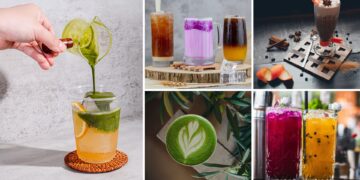
The Lotus Plant Power booth customized colorful Lotus Plant Power energy drinks for attendees with multiple flavor-infused energy drink concentrates, zero-sugar options, flavor syrups, and Lotus Fruit Fusions concentrates. Tiki Breeze served refreshers including a Tropical Refresher made with its White Tiki Energy Concentrate and Calamansi Fruit Fusion.
The rapid growth of drive-thru coffee shop chains 7 Brew and Dutch Bros is supercharging sales of cold drinks. According to the fall 2025 National Coffee Data Trends report from the National Coffee Association, 59% of coffee drinkers who purchased coffee outside the home in the past week bought it at drive-through (up 9% since 2024), and 36% ordered it using an app (up 6% from 2024).

Gen Z and Millennials are seeking out global flavors when they visit coffee shops. Matcha tea’s vibrant green color and health benefits have quickly moved it from a ceremonial tea ritual in Japan to a coffee shop staple.
“Matcha is having a major moment. 60% of millennials say that they prefer a matcha latte over a typical iced latte,” noted Nicole Shepard, customer engagement manager at MONIN Americas.
Dotti showcased its newly launched Matcha Concentrate in a 64 oz bottle with a half-ounce pump that allows high-volume operators to quickly prepare consistent, smooth matcha drinks with no whisking or clumping.
Hojicha, ube, pandan, black sesame, yuzu, and miso were some of the global flavors discussed during panel discussions and workshops at the show.
Maïzly served a Pandan Matcha made with matcha, Maïzly Cornmilk, pandan syrup, lime zest, and lemongrass yuzu sake.
Consumers are also seeking health benefits beyond hydration at the coffee shop. Starbucks introduced Protein Lattes and Protein Cold Foam in September 2025.
After proteinmaxxing, fibermaxxing may be the next health trend for coffee drinkers. “We’re seeing the next emerging trend will be fiber, so with a quarter of Americans believing that they’re not getting enough fiber throughout the day, they’re seeking convenient ways to add this benefit to their day. Customers want to see those fiber beverages at the restaurant as well,” Shepard said.

Coffee shops are offering more multi-sensorial drinks to appeal to younger consumers looking to beverages for self-expression, personalization, and an afternoon treat as they share these eye-popping creations on social media.
Multiple workshop leaders and panelists at the show talked about the importance of offering signature drinks and developing LTOs (limited-time offers) that bring in traffic.
Why offer a lineup of signature drinks that incorporate multiple textures like cold foam or whipped cream, comfort flavors, and innovative flavor pairings? Why offer seasonal LTOs like strawberry iced matcha and iced horchata latte?
Adding signature drinks to menus “develops brand identity and awareness, resulting in customer loyalty,” noted Anna Gutierrez, director of brand development at Barista Twenty-Two. She added that Coffee Crossing, a coffee shop chain in Indiana, told her that their signature and specialty drinks have consistently been best sellers with its customers, taking over 38% of its business with a 10-12% higher profit margin.
Cold drinks offer visual appeal, with Iced drinks a popular signature drink because the clear cups showcase the colors, layers, and foam.
“Gen Z is looking for layers, ice, milk, shot of espresso and matcha, cream topper, cold foam, texture, fruit purees, and bits,” Nethra Rajendran, beverage experience developer at Oatly, told FI.
“Five years ago, the texture trend came from Asia, as in boba. Now we’re seeing liquid mochi, sago inclusions, crunchy inclusions,” added Rajendran. Oatly served an Oatly x Drip Collective Banana Milk made with house-made banana oat milk over ice, espresso, brown sugar, and cocoa powder.
Gen Z likes texture and contrast in their drinks, according to Andrea Ramirez, senior consumer and customer market insight manager at Torani. Ramirez told FI that there’s real demand for customization, newness, and constant excitement.
Dirty sodas offer a vehicle for customization as they have moved beyond the Mormon community in Utah into the mainstream after the “Secret Lives of Mormon Wives” reality show helped popularize the soda, enhanced with flavored syrups, creamers, and other add-ins.
“Consumers increasingly want drinks that reflect their routines, preferences, and personalities. For many consumers, the beverage experience has shifted from simply ordering drinks to building their own,” Ramirez said.
About the author: Virginia Lee is an F&B trendspotter and founder of The Curious Foodie LLC, helping CPG brands, research agencies, and global food companies understand what’s next – so they can make smarter decisions, faster. She has advised companies on innovation and market-entry opportunities in CPG at Euromonitor, Innova Market Insights, and Brightfield Group.

By Christopher Moorby. Chris is the co-founder of Commission Studio, a branding agency in London working with the likes of...

Top outdoor players gathered at FN’s inaugural Switchback event in New Orleans on Wednesday night for an evening of cocktails,...
Summary Sprüth Magers in London is presenting a new exhibition by Anne Imhof On through August 1, Citizen features new...
PARIS — VivaTech started with Bernard (Arnault) and Bezos (both Jeff and Lauren) on Wednesday, setting the stage for a...

Discover Global News Panorama at news.mapworldnow.com — your universal gateway to comprehensive, international journalism. From politics and technology to culture and sports, we cover all news niches and all news categories from every corner of the world, all in one place.