- Latest
- Trending

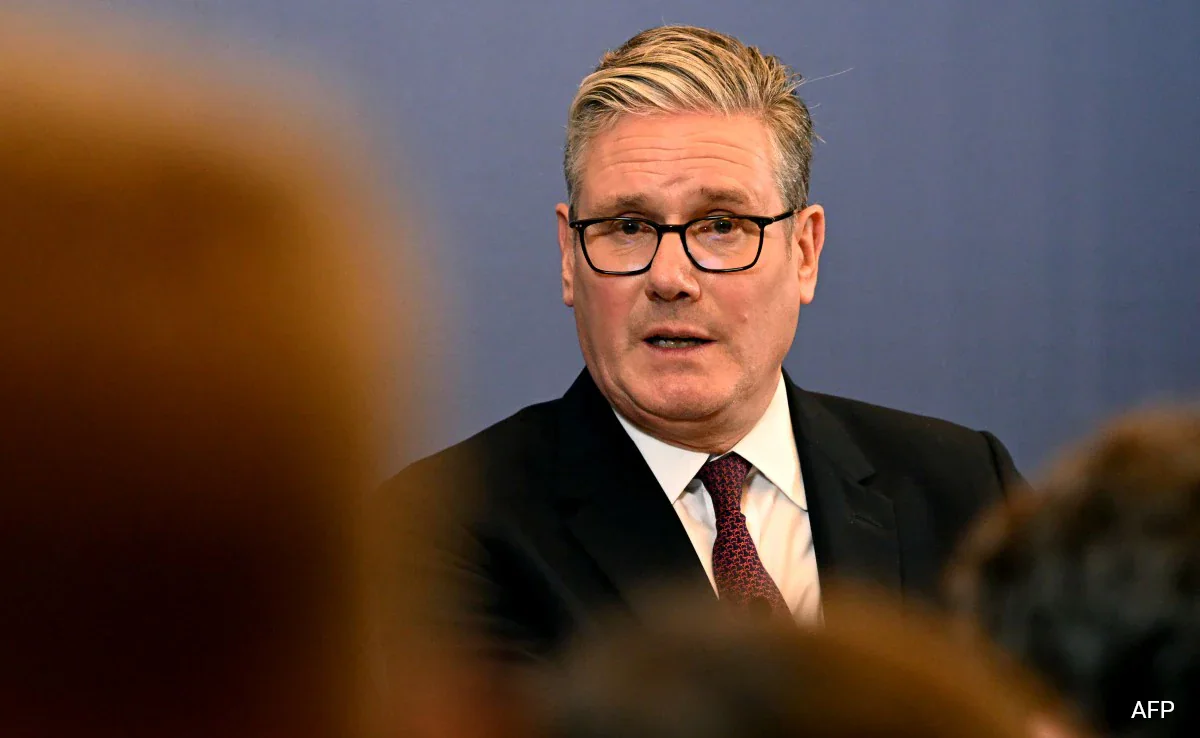
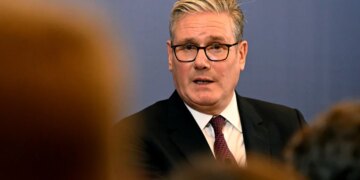
Embattled British Prime Minister Keir Starmer, conceding to pressure from his Labour Party to hand over the reins of power, announced on Monday that he is quitting as prime minister and leader of the Labour Party. This puts Britain on course for its seventh premier in a decade.
The 63-year-old said he will remain in post until a new leader and PM is elected by the governing party and pledged his full support to the new leader.
“The question my party is asking now is whether I am best placed to lead us into the next general election,” said an emotional Starmer, in his address from the steps of 10 Downing Street.
“I have heard the answer of my parliamentary party to that question and I accept that answer with good grace. Every decision I have taken has been about putting the country I love first. That is why I will resign as leader of the Labour Party,” he said.
Starmer said he had spoken to King Charles III on Monday morning to inform him of the decision.
“I have spoken to His Majesty the King this morning to inform him of my decision. I will ask the Labour National Executive to start the process to ensure a new leader is in place before the next parliament session in September…I will give my successor the full support knowing that they will inherit a stronger Britain to ensure labour gets a second term. I want to thank all my colleagues for their support,” he said.
An emotional Starmer then thanked his wife Victoria for “being a rock by my side in good times and bad.”
“When I leave the biggest job in the country, I shall spend more time on the most important job, being the best husband I can to my fantastic wife Vic. And being the best dad I can to my beautiful children who are my pride and joy,” he said.
The outgoing leader has asked Labour’s National Executive Committee to set out a timetable for a Labour leadership contest, with nominations opening on 9 July. Nominations will close before the summer parliamentary recess, on 16 July. In the case of a contest, this will ensure there is a new Labour leader by the time parliament returns in September.
Starmer spent the weekend pondering his future following the victory of intraparty rival Andy Burnham in a special election for a seat in Parliament. Burnham, until last week the Labour mayor of Greater Manchester, ran with the aim of challenging Starmer for leadership of the party and the country.
Burnham is due to be sworn in as a member of Parliament on Monday.
US President Donald Trump said in a post on Truth Social on Sunday that Starmer “will resign” as prime minister. A UK official said that nothing had been communicated to Trump from the government and he had not spoken to Starmer.
Discontent with Starmer has been building for months, with Labour lawmakers desperate to reverse the government’s decline in popularity since Starmer led the center-left party to a landslide election victory in July 2024.
He has struggled to deliver promised economic growth, repair tattered public services and ease the cost of living, and has been hamstrung by repeated missteps, including his decision to appoint Peter Mandelson, a scandal-tarnished friend of Jeffrey Epstein, as the UK ambassador to the United States.
Labour is losing liberal voters to the growing Green Party and facing a rising Reform UK, the Nigel Farage-led anti-immigration party that consistently leads in nationwide opinion polls.

Hosted by James McNicholasTamerra Griffin and Hannah VanbiberProduced by Jesse Burton and Maggie BurbankJoin Tamerra Griffin and James McNicholas on...

China rejects trade criticism after Merz backs global yuan action Source link
Embattled British Prime Minister Keir Starmer, conceding to pressure from his Labour Party to hand over the reins of power, announced...
Discover Global News Panorama at news.mapworldnow.com — your universal gateway to comprehensive, international journalism. From politics and technology to culture and sports, we cover all news niches and all news categories from every corner of the world, all in one place.