- Latest
- Trending

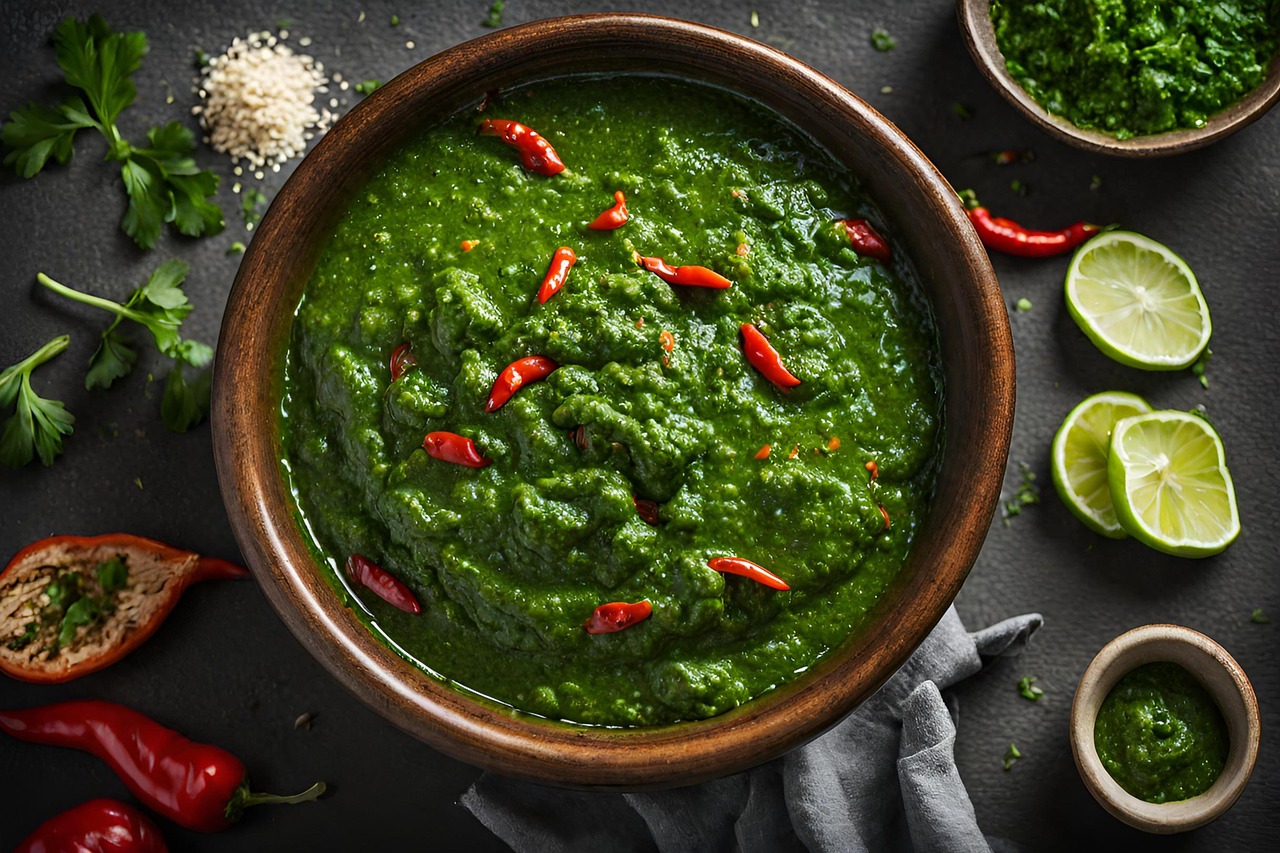
Food plays an integral role in the biological survival and social fabric of humanity. Our connection to food is not only primal but pervasive; forming a thread that pierces through cultural, socioeconomic, and personal boundaries. Grounded in the basic need for energy and nutrition, food’s complexity spans from the biological to the sociological. Whether it is the science of dietary composition or the art of culinary preparation, understanding food has multidimensional implications on human health, culture, and economic structures.
A balanced diet is germane to good health. This balance is an equation of nutrients we consume; including carbohydrates for energy, protein for muscle repair and growth, and fats for energy storage. Furthermore, vitamins and minerals play a crucial role in metabolic functions and disease prevention.
Carbohydrates are our bodies’ chief source of energy. Deriving from plant-based foods, they are categorized into simple and complex sugars. Simple carbohydrates, found in fruits, milk, and products with added sugars, give a quick energy boost. Complex carbohydrates, present in foods like bread, pasta, and cereals, provide a slower, more sustained energy release.
Structure and functionality of our cells depend on proteins. They participate in growth, repair, and enzymes function. Mainly sourced from animal-derived foods like meat, eggs, and dairy, proteins are also available in plant sources such as beans, lentils, and nuts.
Fats, often vilified, are necessary for certain body functions. Unsaturated fats found in fish, nuts, and vegetable oils promote heart health, while saturated fats found in beef, butter, and full-fat dairy should be consumed limitedly.
Vitamins and minerals, although required in smaller amounts, have paramount significance in overall health. They fortify our bodies, support immune function, and contribute to growth and development.
Food radiates beyond biological necessity as it involves art, passion, and tradition. Through the lens of culinary arts, food is a canvas for creativity and authenticity. Much of our understanding about cultures is channeled through the culinary customs they behold. Be it French cuisine’s sophistication, Mexico’s vibrant flavors, the smoky barbecues of America’s south, or the delicate sushi of Japan, food helps illustrate our diversities and shared traditions.

Globally, the food industry accounts for vast economic activity. It encompasses an array of sectors including agriculture, processing, foodservice, and retail. The circular flow of this food economy at regional, national, and international stages is a fundamental aspect of economic and social development.
Food provides our bodies with crucial nutrients needed for growth, energy, and well-being. Balanced diets contribute substantially to preventing diseases such as diabetes, heart disease, and obesity.
Agriculture, especially large-scale farming for meat, significantly impacts the environment through deforestation, greenhouse gas emissions, and water usage. Sustainable agriculture and conscious consumption can help mitigate this impact.
Food serves social purposes as well. It is a communion of décor, a chance to share and bond, or celebrate occasions.
Food transcends being a mere survival tool. In culinary arts, food dost transforms into a work of creativity, skill, and expression. Every dish represents a unique combination of flavors, aromas, textures, and aesthetics.
Food industry impacts economies through job creation, contribution to GDP, and export value. It shapes markets and trade politices, and influences innovation and technology.
The vast realm of food spans chemistry, biology, health, economics, art, and culture. Residing at the heart of our survival and sociocultural fabric, food paints an extensive picture of human life. It fuels us, gratifies our senses, and sometimes even heals us. Our link with food is profound and enduring, reflecting our evolution, socio-economic developments, and cultural ethos. Understanding this connection can help us make informed choices about what we eat, how we prepare it, and how those choices affect our world.

How engineers fulfilled Gaudi’s once impossible vision for the Sagrada Familia. Source link

Five astronauts were forced to seek shelter aboard a spacecraft attached to the International Space Station Friday as their crewmates...
NEWYou can now listen to Fox News articles! The FBI calls it a "distress scam." It is also known as...
Unguja, Zanzibar — A limb rehabilitation outreach and training mission is underway in Zanzibar, targeting to bring smiles to 100...
Discover Global News Panorama at news.mapworldnow.com — your universal gateway to comprehensive, international journalism. From politics and technology to culture and sports, we cover all news niches and all news categories from every corner of the world, all in one place.