- Latest
- Trending
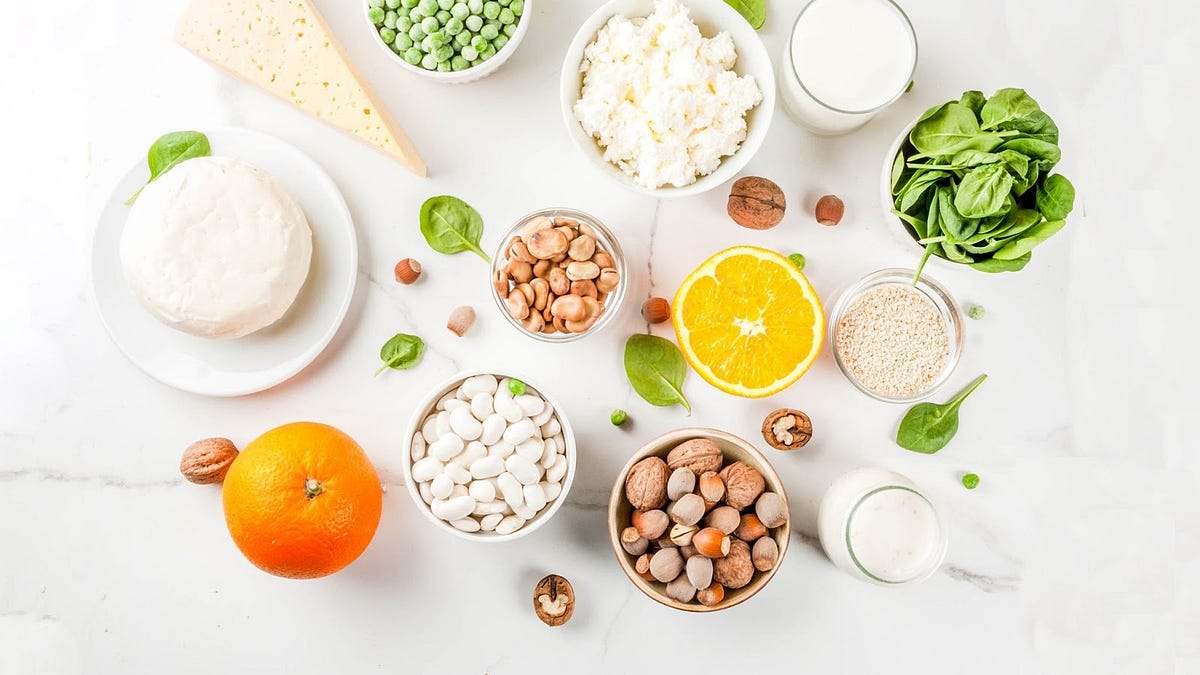
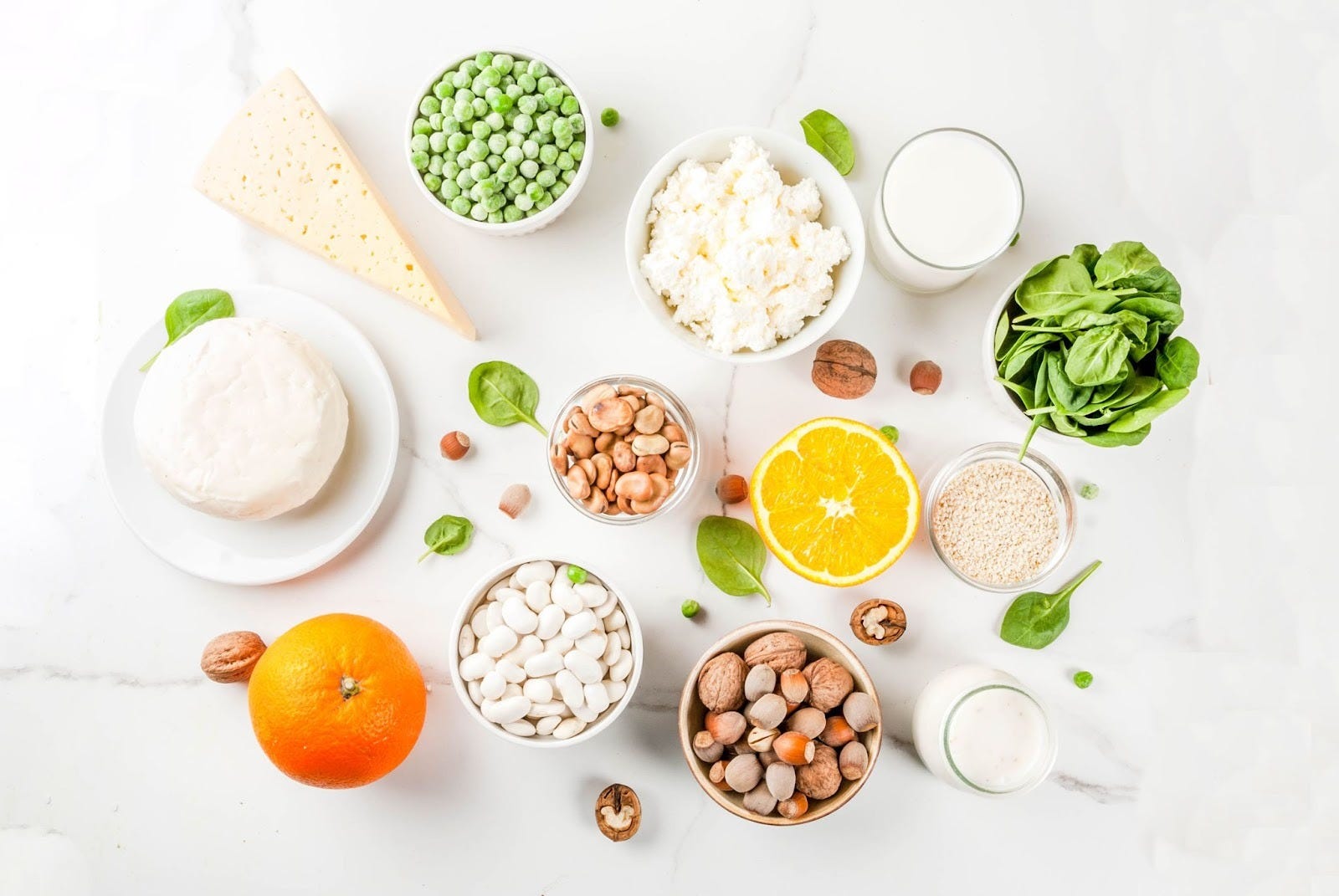
Protein is now the number-one nutrient Americans pay attention to in their diets, outranking calories and sugar. It’s clear that what began as a consumer trend has crystallized into a structural shift in demand—and companies are making big moves to adapt.
To get there, several food corporations are investing in protein diversification. The concept is straightforward: rather than doubling down solely on conventional animal proteins, leading companies are expanding their portfolios to include more plant-based, cultivated, and fermentation-derived proteins, hedging risk while opening new avenues for innovation and growth.
Four recent developments tell a story about compelling near-term opportunities in alternative proteins: Danone’s planned $1.2 billion acquisition of plant-based nutrition brand Huel, JBS’s new $37 million cultivated protein R&D center in Brazil, Cargill’s case for precision fermentation as a cornerstone of the next wave of food innovation, and a Guatemalan sugar giant’s plans for a commercial-scale fermentation facility that would transform a commodity waste stream into high-value protein ingredients.
These developments reflect how protein innovation is enabling the food industry to meet surging demand. Through investments in functional plant-based, cultivated, and fermentation-derived proteins, companies are adding value and flexibility to their supply chains by profitably repurposing sidestreams and delivering premium nutrition to consumers.
Danone continues to build on their long-standing leadership in plant-based nutrition, this time with their planned $1.2 billion acquisition of Huel, the plant-based brand known for their high-protein meal shakes and ready-to-eat meals.
Danone’s CEO Antoine de Saint-Affrique recently told Food Dive, “What [Huel has] achieved in the fast-growing Complete Nutrition space fully resonates with Danone’s mission of delivering health through food.”
Notably, the move also aligns with a broader protein capacity crunch Danone has been navigating: the company signaled in late 2025 they simply cannot produce enough high-protein dairy products to meet U.S. demand.
Demand for high-protein, conventional dairy yogurts and shakes has surged beyond the production capacity of many manufacturers. Juergen Esser, Danone Group Deputy CEO and chief financial, technology and data officer, told investors last fall that the company was struggling to secure enough manufacturing capacity to meet demand as high-protein yogurts “continue to fly” off the shelves.
While several food and beverage corporations are investing heavily in conventional dairy processing plants to grow capacity, it’s notable that companies like Danone are also embracing plant-based dairy as part of their core strategy to address protein supply and demand gaps.
Danone’s Huel acquisition demonstrates that protein diversification is a savvy way to mitigate portfolio risk while also investing in innovation, addressing dynamic consumer needs, and aligning product development with corporate mission and values.
This spring, JBS opened a new, $37 million biotech research center in Brazil to develop cultivated protein ingredients. The move follows their 2021 announcement committing $100 million to the cultivated meat space.
JBS is now channeling their investment in the production technology toward ingredient innovation. The facility will focus on developing proteins for specific performance characteristics, from texture and binding in food products to targeted health benefits. These ingredients are intended for use across a range of food categories, including supplements, shakes, and bars.
In an otherwise subdued and risk-averse funding environment for cultivated meat, it’s meaningful that one of the world’s largest conventional meat companies is demonstrating an ongoing interest in the functional potential of cultivated ingredients. It’s a move that suggests that cultivated ingredients may be uniquely suited to fill gaps in conventional protein portfolios.

Precision fermentation is drawing similar strategic interest. Florian Schattenmann, Cargill’s chief technology officer, recently outlined the case for precision fermentation as a cornerstone of the next wave of food innovation, with potential applications well beyond any single category.
So why is one of the world’s largest agribusinesses interested in precision fermentation? Schattenmann’s answer: production efficiency, significant water and energy savings, food security, and price stability.
Plus, precision fermentation enables manufacturers to create proteins matched to specific dietary needs, health goals, and taste preferences. “The consumer wants more choices,” Schattenmann remarked in a recent Food Dive Q&A. “We all have different needs. We see a trend to personalization more and more.”
In Latin America, Guatemalan sugar giant Magdalena is planning a 650,000-liter precision fermentation facility adjacent to their sugar mill, building a value-added protein ingredient business from spent yeast as they work to reduce exposure to the notoriously volatile sugar market.
By converting a waste byproduct of sugar production into high-value protein ingredients, Magdalena is demonstrating a capital-efficient pathway into fermentation-derived proteins that could be replicated by agricultural processors around the world.
These four developments reflect a pattern: leading companies are leaning into alternative proteins as a way to deliver unique value—whether to consumers seeking personalized, high-protein nutrition, or to their own supply chains through ingredient innovation, turning sidestreams into value, and portfolio resilience. Plant-based, fermentation-derived, and cultivated proteins are emerging as key levers for both.
As protein demand continues to reshape consumer behavior and strain conventional supply chains, protein diversification is proving to be a compelling strategic response—and the investments being made right now reflect that.

All the latest content about Wearable technology from the BBC. Source link

Your support helps us to tell the storyFrom reproductive rights to climate change to Big Tech, The Independent is on...
Denmark’s Noma, whose flagship Copenhagen restaurant was for several years ranked the world’s best restaurant, said it will reopen the...
Ellie Colton was finally diagnosed with endometriosis after years of debilitating pain. She meets a scientist developing a simple diagnostic...

Discover Global News Panorama at news.mapworldnow.com — your universal gateway to comprehensive, international journalism. From politics and technology to culture and sports, we cover all news niches and all news categories from every corner of the world, all in one place.