- Latest
- Trending

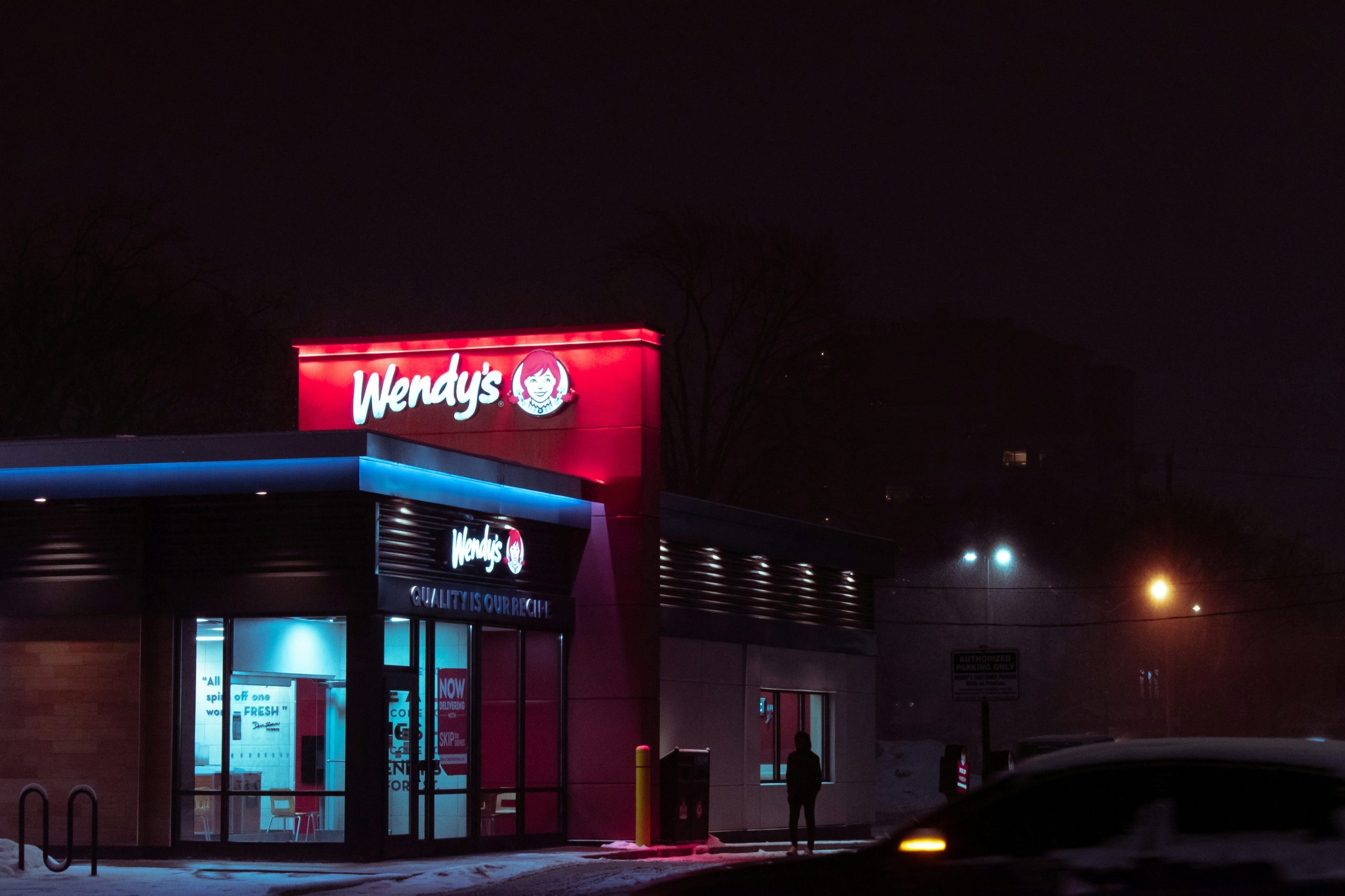
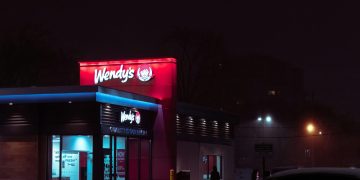
In retrospect, it’s surprising that Wendy’s hasn’t been a meme stock all along. It has all the right characteristics.
The stock price is low: on Monday, shares closed at $6.25, a 13-year low. Like GameStop, movie theater chain AMC Entertainment, and other retail favorites over the past few years, it has a consumer-facing brand that is widely known but perhaps somewhat faded.
Short interest – a measurement of how many traders are betting against the stock – is high, triggering hopes for a “squeeze” that will send the price skyrocketing. (In some tellings, this is what happened in the famous GameStop rally of January 2021, in which short sellers had to buy the stock back at higher prices, leading to more gains, and more buying, a still-higher stock price, and so on. In practice, what exactly happened that week remains rather unclear, even to federal regulators; certainly, mania on the buying side played a key role in a rally that was news literally worldwide.)
And, to top it all off, last year Wendy’s even gave a nod to the Reddit community. In September, Wendy’s introduced chicken tenders it called “Tendys”. “Tendies”, in the slang of Internet-native retail traders, refers to big gains (or in some cases any gains) in a stock.

At least by the convoluted and opaque logic of the Reddit trader, then, the 26% rally in Wendy’s stock on Wednesday does make some sense. It’s also not the first time the chain has seen such gains: in June 2021, shares jumped almost the exact same percentage, with online chatter then too the primary driver.
Wendy’s history, and that of the ‘meme’ category more broadly, also shows that this rally is hardly good news for the underlying business.
The most obvious problem is that it’s hardly a good sign for the underlying business if the ‘meme’ crowd gets excited. The nature of the WallStreetBets subreddit – which coalesced around an initially reasonable case for GameStop stock in late 2020 – is often to focus on turnarounds. Almost by definition, a meme stock provides ownership in a business that is headed in the wrong direction. (That trajectory is usually what drives both the low stock price and the high number of traders betting that negative trends will continue.)
Indeed, one of the bigger meme rallies in the food space came last year when Beyond Meat jumped 597% (yes, five hundred and ninety-seven percent) in three trading sessions. The stock gave back nearly all of those gains within a matter of weeks; as we noted at the time, ‘meme’ stock rallies generally don’t last very long. Beyond Meat of course is a business that is barely hanging on, with even gross profit barely positive.
It’s not a stretch to suggest that this rally itself highlights the tarnishing of the Wendy’s brand at the moment.
In some sense, Wendy’s only gained 26% on Wednesday because the retail traders buying it themselves see the brand, and the business, as needing quite a bit of work and improvement. Indeed, the since-deleted Reddit post that apparently sparked this week’s trading called for investors to “save” Wendy’s. That so many traders agreed the business needed to be saved should alarm the new arrivals to Wendy’s corporate offices. (The company has brought on a new chief executive officer and a new chief financial officer over the past five weeks.)
Wendy’s stock reached a 13-year low this week not because of nefarious traders selling short, but because of the steadily lower prices demanded by those buying the stock.
One reason for the negativity is the company’s debt load. Wendy’s closed the first quarter with $2.7 billion in debt, against a market capitalization that even now is barely $1.5 billion. In theory, Wendy’s could use this meme rally to sell stock into the open market, raising cash to pay down that debt and calm equity investors. Some meme beneficiaries have done so successfully.
GameStop has raised billions by selling stock directly to investors. The 2021 rally in AMC helped that chain significantly improve its balance sheet, after the company was on a clear path toward bankruptcy. (Part of that improvement was the funniest event of the ‘meme’ era. A private equity firm at the time held $600 million in AMC debt, convertible into stock, that almost certainly was worth well less than the principal. Thanks to the meme rally, the firm converted the debt and then steadily sold its shares into the market, earning it at least a couple hundred million dollars in profit while individual investors congratulated themselves for ‘saving’ the chain.)
But Wendy’s is unlikely to have that option. It doesn’t have a so-called “at the market” offering ready, through which it could instantly sell stock at (presumably) inflated prices to bring in cash to pay down debt. And the history of meme rallies, particularly in recent years, is that they never last long enough for the company to get through the regulatory process needed to sell more stock. (The problem is all the stickier because the simple disclosure of a plan to sell stock often itself ends any such rally.)
Wendy’s itself knows this: the meme bump in 2021 reversed almost instantly, with the gains all but gone in less than two weeks. Trading midday Thursday suggests this rally, too, may not have much in the way of staying power, with the stock down 4.6%. And so while the meme rally has created some paper gains, the core mission for new CEO Bob Wright and CFO Steve Cirulis will take much more time and presumably have much less drama. Their task is to improve the business and, in turn, the Wendy’s stock price.
The traders buying the stock this week generally believe the inverse should be true – but almost certainly won’t be around long enough to find out if Wendy’s can pull it off.
About the author: Vince Martin is an analyst and author whose work has appeared on multiple financial industry websites for more than a decade; he’s currently the lead writer for Wall Street & Main. As of this writing, he has no positions in any companies mentioned.
Food retail is undergoing a fundamental transformation, and few people have a better vantage point than the SupermarketGuru Phil Lempert. In this episode of Food for Thought Leadership, Lempert joins FI’s Chris Campbell to discuss the forces reshaping grocery, from inflation and private label growth to changing consumer expectations around health, wellness, and transparency.



Just five days ago, we reported that indie hide-and-seek game Meccha Chameleon had sold seven million copies since its release...

Striking staff at Quantic Dream have warned that if the studio proceeds with its plans to lay off 115 developers,...
Your support helps us to tell the storyFrom reproductive rights to climate change to Big Tech, The Independent is on...
Your support helps us to tell the storyFrom reproductive rights to climate change to Big Tech, The Independent is on...
Discover Global News Panorama at news.mapworldnow.com — your universal gateway to comprehensive, international journalism. From politics and technology to culture and sports, we cover all news niches and all news categories from every corner of the world, all in one place.