- Latest
- Trending
It is the season for ice cream in Japan, as temperatures start to rise across the country. But trouble is brewing in the nation’s frozen dessert industry.
Japan’s Fair Trade Commission said this week that it had raided the offices of six leading ice cream manufacturers on suspicion that they were operating a cartel. The authorities said the companies had colluded to raise prices beyond an increase in the costs of raw materials, and that their actions had harmed customers.
The companies — Akagi Nyugyo, Ezaki Glico, Lotte, Meiji, Morinaga Milk Industry and Morinaga & Co.— declined to comment beyond brief statements saying they would cooperate with the investigation.
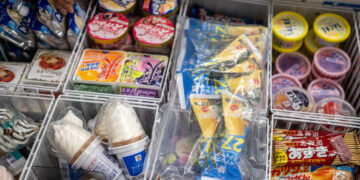
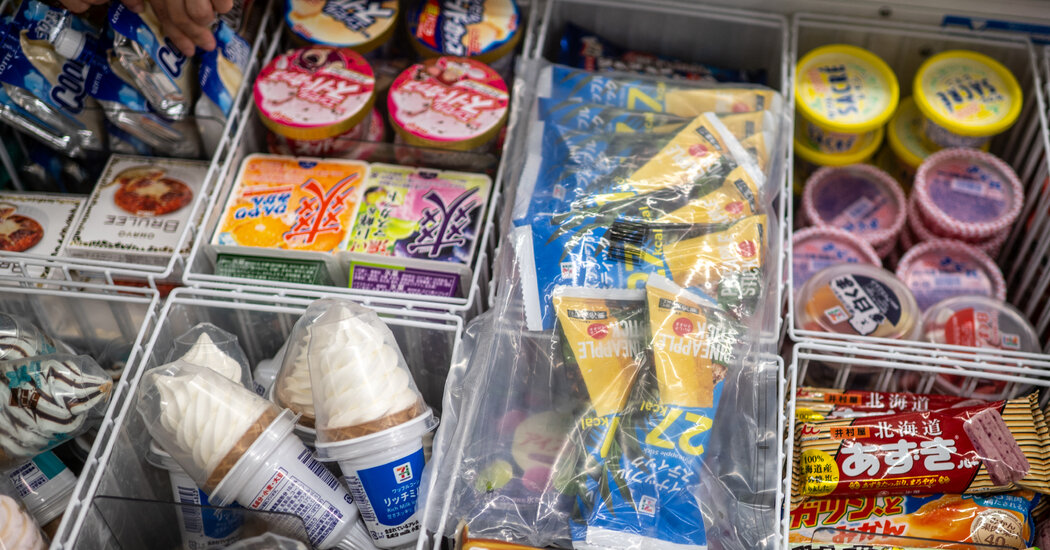
The case threatens to undermine the reputations of some of the largest food companies operating in Japan. The ice cream industry has boomed in recent years and was valued at more than $4 billion last year, up about 3 percent from 2024. Convenience stores, supermarkets and vending machines are stocked with favorites like soda-flavored Popsicles, frozen wafer sandwiches and red bean ice cream.
Ice cream bars typically sell for around 100 yen, or about 62 cents. Some companies have apologized in recent years for raising the price of trademark products. Akagi, one of the companies whose offices were raided, had apologized on its website for raising the price of its GariGarikun Soda bar in recent years, citing rising costs.
The authorities said the companies had worked together to repeatedly raise prices by 10 yen, or about 6 cents. Japanese news outlets reported that senior executives at the companies faced accusations that they privately coordinated the timing and size of the price increases.
Rising prices have stoked public anger recently in Japan, which is grappling with inflation for the first time in decades. The Bank of Japan on Tuesday joined other global central banks in raising interest rates to head off an expected spike in inflation fueled by higher energy costs from the war in the Middle East.
The authorities say the price increases by the ice cream manufacturers went beyond standard inflation.
Tetsuji Yokote, director of the investigation bureau at the Fair Trade Commission, declined to comment in detail about the case.
But he said that the commission typically issues cease-and-desist orders to companies found to be part of cartels, and orders them to pay fees to the national treasury.
“Each company should make its own judgment and decisions, rather than everyone raising prices,” he said.

This is an article version of the CBS Sports HQ AM Newsletter, the ultimate guide to every day in sports....

Table of Contents Prince Yadav takes a brilliant catch in his debut match for Team India in the ODIs tonight...
Formula 1 says it is on track to achieve its commitment to become net-zero carbon by 2030.Its annual review of...
With England's first-choice loose-head Ellis Genge recovering from a calf problem, the versatile Asher Opoku-Fordjour, more usually a tighthead option,...

Discover Global News Panorama at news.mapworldnow.com — your universal gateway to comprehensive, international journalism. From politics and technology to culture and sports, we cover all news niches and all news categories from every corner of the world, all in one place.