- Latest
- Trending

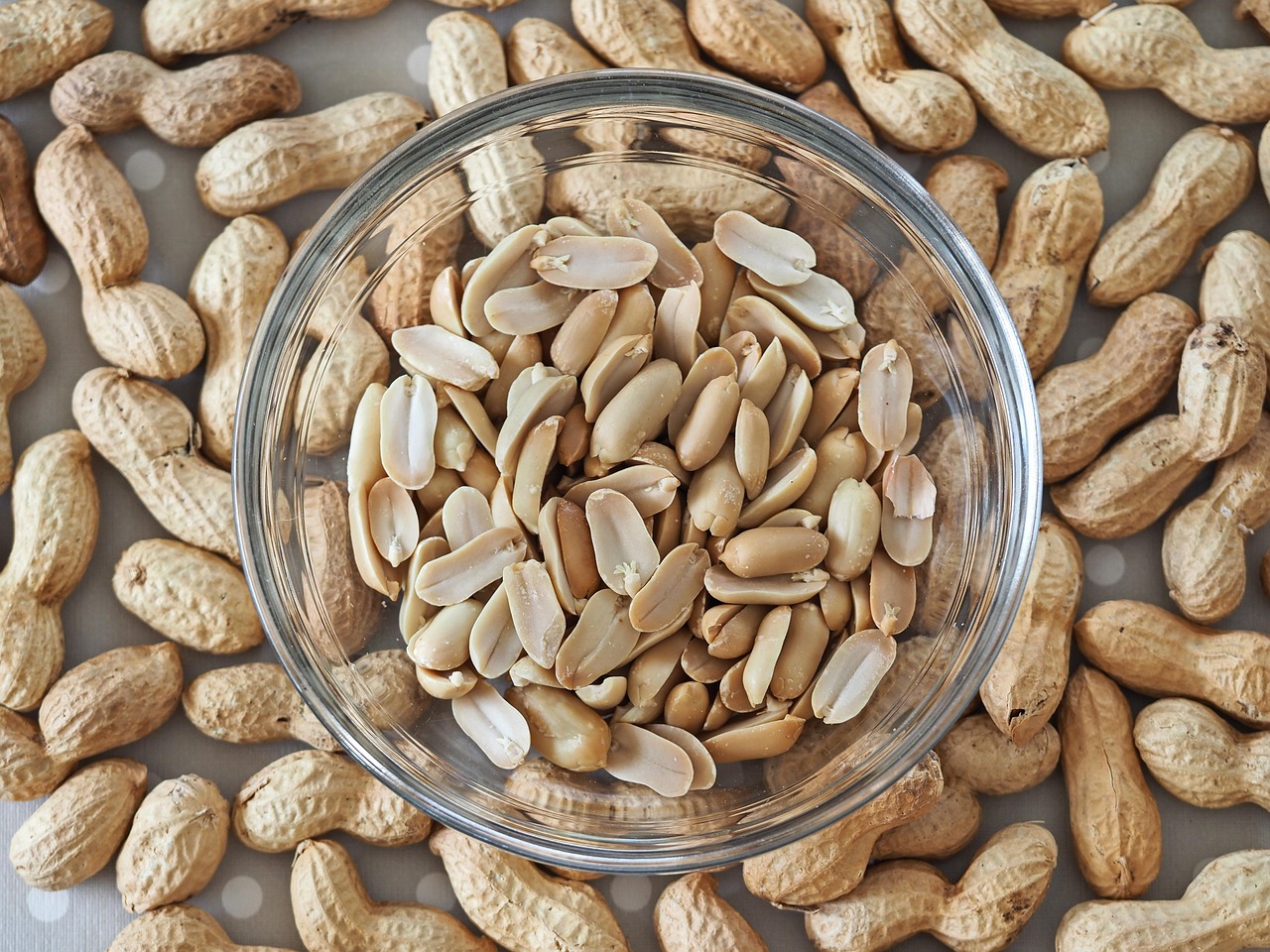
Food, a fundamental necessity for all living beings, plays an integral role not just in growth and development, but also in fostering community and culture. While the sustenance provided by food is a universal requirement, the ways in which different cultures prepare and appreciate it varies vastly. This global diversity in food culture presents a rich tapestry of flavors, techniques, and traditions, making food an important aspect of identity, heritage, and lifestyle.
An analysis of the world’s cuisines uncovers how natural resources, history, and socio-economic conditions can influence the development of a region’s culinary traditions. For example, the Mediterranean diet, renowned for its health benefits, utilizes the region’s abundant land and sea resources. It emphasizes the consumption of plant-based foods, such as fruits, vegetables, whole grains, and legumes, coupled with healthful fats like olive oil and lean proteins primarily from fish
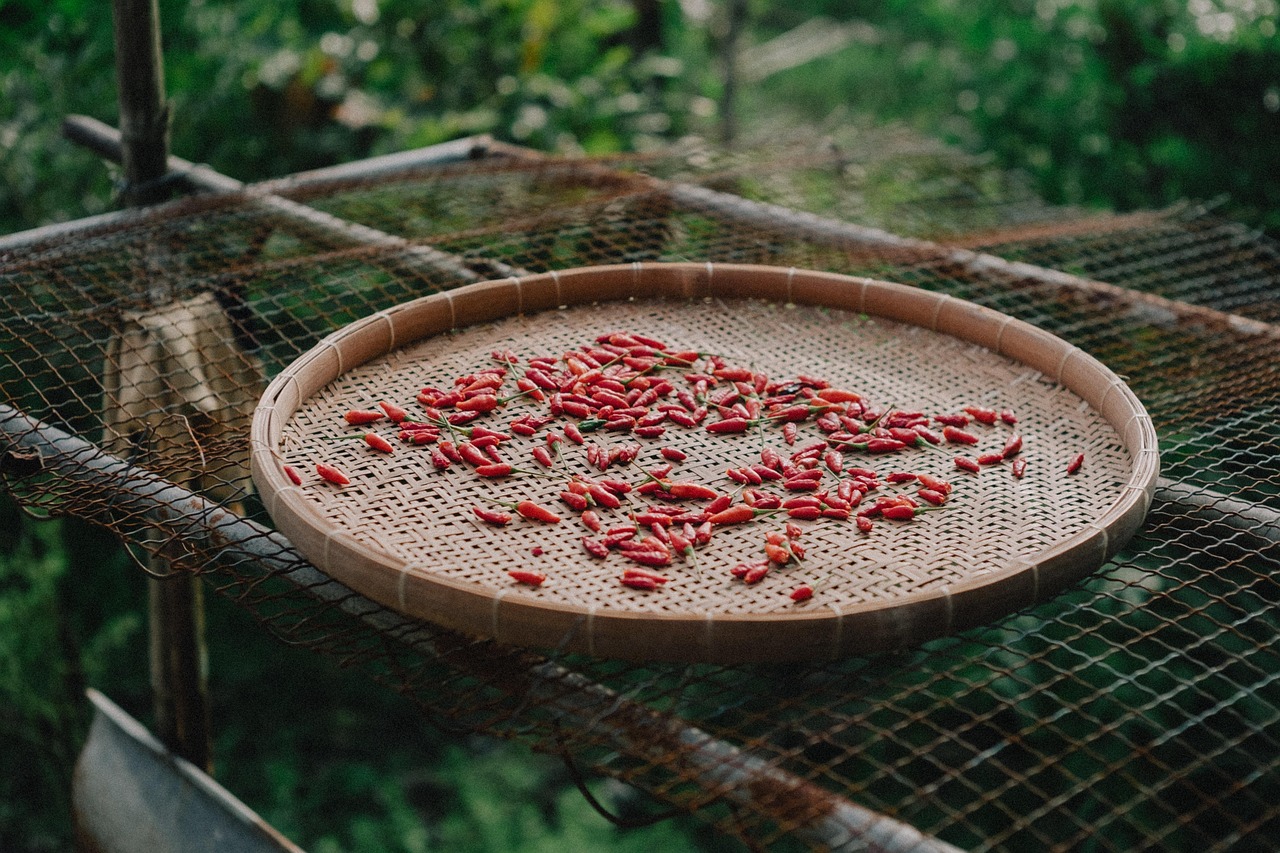
In contrast, traditional Middle Eastern food features slow-cooked meats, rice, and lavish use of spices, reflecting centuries of trade route influence. In Asian countries, seafood, rice, and soy-based food constitute much of the diet due to geographical location and agricultural practices. Through these variances in food, we gain insights into a culture’s history, philosophy, and relationship with nature.
Nutrition is another critical aspect and growing focus of food. As understanding of health and nutrition advances, the importance of a balanced diet rich in essential nutrients—like vitamins, minerals, proteins, carbohydrates, and fats—becomes increasingly apparent. Superfoods, recognized for their high nutrient content, have found a place in modern diets. From ancient grains like quinoa and freekeh to antioxidant-rich berries, these nutrient-packed foods contribute significantly towards health maintenance and disease prevention.
Food safety and sustainability are also central concerns in our global food system. Factors such as contamination, waste management, ethical sourcing, and carbon footprint significantly impact our relationship with food. Initiatives like organic farming, fair trade, and plant-based alternatives seek to address these issues, paving the way for a healthier and more sustainable relationship with what we eat.
A balanced diet is one that provides all necessary nutrients—carbohydrates, proteins, fats, vitamins, and minerals—in the correct proportions. It typically includes a variety of foods from all food groups: grains, fruits, vegetables, proteins, and dairy.
A superfood is a nutritionally dense food considered beneficial for health and wellbeing. Examples include berries, avocados, and ancient grains like quinoa. While beneficial, a diet should not rely solely on superfoods but instead feature a diverse range of nutrient-rich foods.
Food safety is vital to prevent foodborne diseases caused by bacteria, viruses, and other harmful elements. It entails proper handling, preparation, and storage of food to minimize risk.
Culture strongly influences food practices. Different cultures have distinct cuisines, cooking methods, eating rituals, and attitudes toward food, shaped by factors like geography, history, and socio-economic conditions.
Sustainable eating involves practices that reduce the environmental impact of our diet. This can include plant-based diets, organic and locally-sourced foods, reducing food waste, and avoiding overconsumption.
Biodiversity helps ensure the resilience of our food system by securing a variety of food species, which aids in the survival of ecosystems. Promoting biodiversity in our food system can help reduce environmental impact and increase nutrition.
In its multifaceted roles as sustenance, culture bearer, and a means of community, food remains an essential part of identity and lifestyle. Understanding food’s impact on our health, society, and environment can help us make better, more informed choices. This can be facilitated through comprehensive education, promoting nutrition, food safety, sustainability, and cultural appreciation. As we collectively navigate the future of our global food system, these areas will likely remain the main focuses in our continued relationship with food. Achieving vitally important goals like health maintenance, food security, and environmental protection will require an integrated and holistic approach to how we perceive, produce, and consume food.

Sharing a giveaway with some of my favorite wellness, beauty, and skincare items! Check out the details below on how...

In a June 9 report, Sidhu maintained his “Outperform” rating and raised his target on Hammond to $355.00 from $325.00...
Michigan regulators say they seized dozens of illegal gambling devices and thousands of dollars in cash during a raid at...
In a pitch to private investors, Elon Musk once predicted that one of his companies would quintuple its revenue to...
Discover Global News Panorama at news.mapworldnow.com — your universal gateway to comprehensive, international journalism. From politics and technology to culture and sports, we cover all news niches and all news categories from every corner of the world, all in one place.