- Latest
- Trending
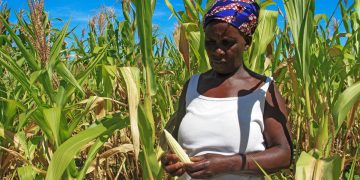
Households in Zimbabwe typically rely on multiple on-farm and off-own-farm food and income sources to meet their food and non-food needs. However, food and cash crop production and livestock rearing are important to rural livelihoods. In the high-rainfall areas, largely in northern Zimbabwe, farmers typically have higher yields and produce staple crops like maize that can meet their food needs for most of the year, while earning income from the sale of surplus crops. However, in the lower-rainfall areas of southern, western, eastern, and extreme northern Zimbabwe, crop production tends to be lower and typically provides food stocks only for three to four months of the consumption year for most poor households.
In surplus-producing northern areas (Figure 1), some farmers also grow cash crops such as tobacco, along with a variety of pulses/legumes, root crops, vegetables, and fruit. In the dry season (June-September), irrigated winter wheat is grown under commercial production. Maize, sorghum, and millet are grown for food in the deficit-producing areas, while cash crops like cotton are produced for income. Livestock, particularly cattle, is an important source of wealth and is mainly reared by middle and better-off households across the country. Most livestock rearing occurs in the country’s southern, eastern, western, and extreme northern parts. Small livestock, mainly goats and chickens, are reared by all household groups, with poor households regularly selling stock to earn income to buy food and meet other needs.
The main agricultural season occurs from October to May, with rainfall from November to February particularly important for crop production. While households historically prepared their land and started planting in October, the late onset of rainfall in recent years has resulted in planting in November or December. Rainfall in January and February is considered critical for harvest potential, as staple cereals are often in their reproductive and grain-filling stages. The green crop harvest occurs from February to March, with the main harvest taking place from April through June. Zimbabwe is prone to weather shocks, particularly drought during the October to March rainy season, negatively impacting crop and livestock production and other livelihoods. Most recently, El Niño-driven droughts in 2015/16, 2019/20, and 2023/24 resulted in poor and sometimes failed harvests.
Households also engage in off-own-farm income-earning opportunities such as casual labor, self-employment, petty trade, crafts, artisanal mining, and the sale of wild foods and products (including fruits, vegetables, Mopane worms (Gonimbrasia belina), and thatch grass) to earn income. Some households also rely on remittances from relatives in urban areas and abroad. Labor opportunities vary seasonally and are mainly linked to agricultural production and marketing chain activities. Poor urban households also engage in urban and peri-urban agriculture to help meet their food needs.
Over the last two decades, Zimbabwe has experienced significant economic volatility, characterized by foreign currency shortages, highly unstable exchange rates and prices, and high inflation. However, macroeconomic stability has been observed from early 2025, with notable exchange rate stability and significant reductions in inflation. A multicurrency regime continues, consisting mainly of the local ZWG, the USD, and the ZAR in southern areas. Poor households mainly depend on informal markets where prices are cheaper and USD/ZAR-dominated, as these households are often paid in USD/ZAR for casual labor, self-employment, and other informal income-earning opportunities.
Follow these links for additional information:

"Maybe people won't like it. That's life," says Clair Obscur: Expedition 33 director and Sandfall Interactive founder, Guillaume Broche, when...

Mobile gaming giant Scopely has made a "strategic investment" into Studio Auknow, a new company formed by the former director...
NEW DELHI: Indian Prime Minister Narendra Modi will visit Indonesia, Australia and New Zealand next week, as New Delhi seeks...
Many Swifties have followed the singer’s love life, which has been known to inspire music tinged with romantic longing and...

Discover Global News Panorama at news.mapworldnow.com — your universal gateway to comprehensive, international journalism. From politics and technology to culture and sports, we cover all news niches and all news categories from every corner of the world, all in one place.