- Latest
- Trending
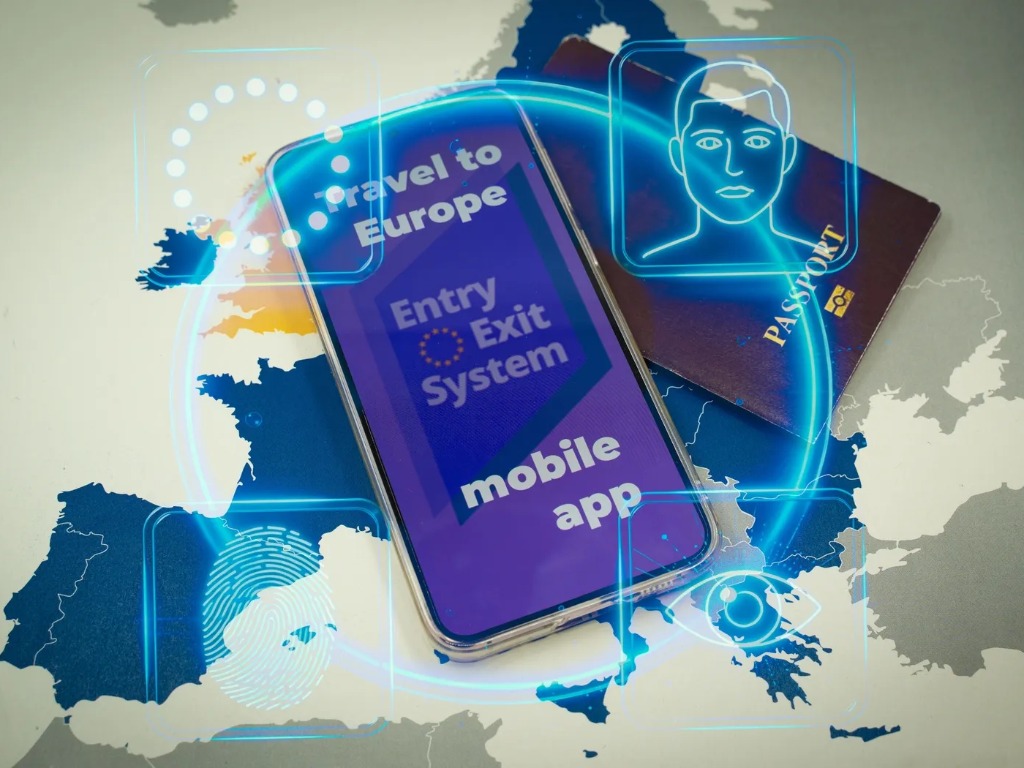
Saying that it fully recognizes the importance of modernizing border systems and strengthening security across Europe, the World Travel & Tourism Council (WTTC) is continuing to warn that without adequate flexibility, reliable equipment, sufficient staffing and traveller communication, operational bottlenecks risk undermining the visitor experience and Europe’s global competitiveness as a destination.
And the WTTC said that if not addressed, this could place Europe at a clear disadvantage compared to other global destinations offering faster, more seamless entry processes.
The WTTC’s comments come as Europe’s airport and airline community raise concerns about the implementation of the Schengen Entry/Exit System (EES) in an open letter published by Airports Council International (ACI) Europe, Airlines for Europe (A4E) and IATA earlier this week.
Recent WTTC analysis, based on research among more than 2,500 travellers across key long and short-haul markets to Europe, indicates that consistent border waits of three or more hours could significantly deter demand, with around one-third of travellers saying they would be less likely to visit the Schengen area.

Applied to 2026 forecasts, this could place up to 41 million arrivals and $45.4 billion in potential visitor spending in Europe at risk.
WTTC is calling for three key actions to ensure a smooth rollout: accelerate the uptake of the Travel to Europe app for digital EES pre-registration, launch a coordinated communication campaign in key source markets so travellers clearly understand the new border requirements before departure, and guarantee full operational readiness at borders through adequate staffing, reliable equipment, and streamlined processes, including for those who have already submitted biometric and pre-registration data.
While the sector supports the long-term benefits of a more efficient and secure border framework, implementation must be managed in a way that safeguards the seamless movement of international travellers and protects the economic value travel and tourism brings to communities across Europe, a sector that contributed $3 trillion to the European economy and supported 40.7 million jobs in 2025, equivalent to the combined population of Sweden, the Netherlands and Belgium.
Gloria Guevara, President & CEO of WTTC, said that: “EES represents an important step towards smarter, more secure borders for Europe. But implementation must be practical, coordinated and traveller focused. If lengthy delays become accepted practice, travellers will look elsewhere. Europe cannot afford to compromise its competitiveness or the experience it offers millions of visitors. We encourage policymakers to work closely with industry to ensure the system delivers on its promise of better borders without creating unintended barriers to travel.”
Image: Courtesy of World Travel & Tourism Council

Russian-born billionaire Dmitry Bukhman, co-founder of mobile gaming company Playrix, has become the new sponsor of the International Booker Prize,...

Your support helps us to tell the storyFrom reproductive rights to climate change to Big Tech, The Independent is on...
In his gripping text “The Sociology of Science: Theoretical and Empirical Investigations,” the American sociologist Robert K. Merton introduced the...
Although there is statutory maternity and paternity leave - which guarantees time off and partial income compensation - not everyone...

Discover Global News Panorama at news.mapworldnow.com — your universal gateway to comprehensive, international journalism. From politics and technology to culture and sports, we cover all news niches and all news categories from every corner of the world, all in one place.