- Latest
- Trending


Since the concept of time immemorial, mankind has sought ways to engage in pleasurable activities that bring joy and foster human connections. Among these various activities, entertainment stands out as a captivating domain with stark significance in the circle of life. The beauty of entertainment lies in its expansive nature, touching every sphere and intersecting across all fields of human endeavor. Whether it’s through music, theatre, television, literary works, and even outdoor recreational efforts like sports, entertainment maintains a fundamental role in society, offering much-needed refuge from the anticipated monotony of life.
At the fundamental level, entertainment functions as activities, events, or performances that delight and provide enjoyment by holding an audience’s attention. It transcends beyond amusement as it has historical roots intertwined with culture, customs, and societal behavior, often with significant psychological, emotional, and social implications.
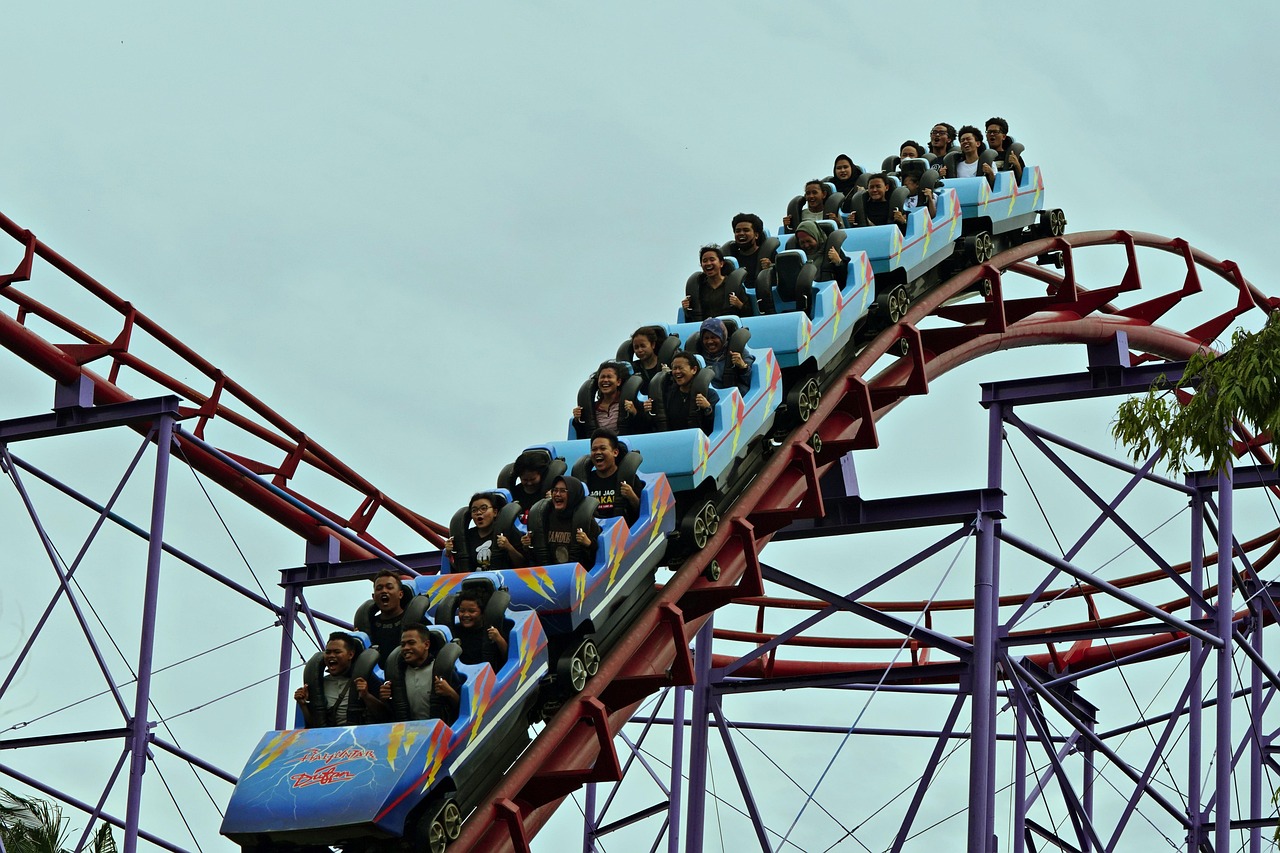
A deep dive into the artistry of entertainment unravels an array of different forms, each unique in expression but connected by the underlying principle of leisure and amusement.
The fascination humans have with music is far-reaching and pivotal. Not only does it serve as a means of entertainment, but also it offers therapeutic elements which can create an emotional bond between the listener and the artist. The varying genres of music, from classical to pop, reggae, rock, hip hop, and countless others, each offer unique rhythms and lyrics that stimulate interest and captivate attention.
Visual entertainment encompasses film, television, and digital media. Each can be a powerful tool for storytelling, allowing viewers to immerse themselves into different worlds, become emotionally connected to characters, and even critically evaluate various themes and underlying messages.
On the other hand, the performing arts, including contemporary and traditional dance, theatre, opera, and comedy, provide a distinct and interactive form of entertainment. They transform the stage into a visual spectacle, connecting the artist, performer, and viewer in a dynamic interaction, often leaving room for wide-ranging interpretations.
Literature, which includes books, poetry, and magazines, has been a beloved source of entertainment for centuries. It promotes creativity, sparks imagination, and encourages critical thinking. From classic novels to modern digital works, literature remains a timeless entrant in the entertainment field.
The explosion of digital technology has brought games to the foreground in recent years. Video games, mobile games, and online games have gained immense popularity, appealing to various age groups and interests.
Entertainment holds not just a recreational value; it also enables social connections, relaxation, and mental rejuvenation. It offers a way to unwind and refresh, fostering a space where creativity and enjoyment intermingle.
The advent of digital technology has seen a surge in popularity for online gaming and streaming platforms. In addition, lesser-known forms of entertainment like podcasts and virtual reality experiences are witnessing an upward trend.
Technology advancements have played a significant role in the evolution of entertainment. From prehistoric storytelling to modern CGI movies, the journey highlights a constant adaptation to societal preferences and innovations.
Entertainment makes a substantial contribution to the economy. It generates revenue, employment, taxes, and also stimulates peripheral businesses including tourism, hospitality, and merchandise.
While entertainment offers numerous benefits, it can also carry drawbacks. Excessive screen time, for instance, might lead to health issues. Also, explicit content, violence or biased portrayals in movies or video games could potentially have negative impacts.
In the grand scheme of human existence, entertainment not only embellishes lifestyle but anchors the essence of joy, creativity, and human interaction. Its rich tapestry extends across musical waves, skips along the pages of literary works, dances across the physical and digital performing stages, and is rapidly evolving to incorporate advanced technology. The shared experience of entertainment strengthens societal bonds and stimulates intellectual and emotional growth, positioning it firmly as an indispensable part of the human journey.
Whether it’s the simple pleasure of reading a book, the enthralling experience of watching a good movie, or the adrenaline rush from playing a video game, entertainment’s breadth is as expansive as human imagination. It truly is a mesmerizing world where art, emotion, technology, economy, and social cohesion skillfully mingle on the stage of life.

Sharing a giveaway with some of my favorite wellness, beauty, and skincare items! Check out the details below on how...

In a June 9 report, Sidhu maintained his “Outperform” rating and raised his target on Hammond to $355.00 from $325.00...
Michigan regulators say they seized dozens of illegal gambling devices and thousands of dollars in cash during a raid at...
In a pitch to private investors, Elon Musk once predicted that one of his companies would quintuple its revenue to...
Discover Global News Panorama at news.mapworldnow.com — your universal gateway to comprehensive, international journalism. From politics and technology to culture and sports, we cover all news niches and all news categories from every corner of the world, all in one place.