- Latest
- Trending

The entertainment industry plays a prominent role in contemporary society. Encompassing a broad range of sectors, from movies and music to games and performing arts, it serves both as a potent area of employment and a vast realm of consumption offering diverse experiences to its audience.
Essentially, the industry is composed of a multitude of elements. Experiencing a movie no longer limits to visiting a cinema, but can include streaming services and home entertainment systems. Similarly, enjoying music has expanded from concert halls to streaming platforms like Spotify or Apple Music. Nowadays, the gaming sphere includes various platforms, from PlayStation consoles to mobile games, allowing users to immerse themselves in interactive worlds.
The film sector is a cornerstone of the entertainment industry. Providing viewers with an immersive escape from reality, movies have a profound impact in shaping cultural and social narratives. Movies range from big-budget Hollywood ‘blockbusters’ to independent productions that often wield significant indie charm. The growth of streaming platforms like Netflix and Amazon Prime has revolutionised the industry, enabling more people to access movies without leaving their homes.
Renowned film festivals such as Sundance and Cannes play a pivotal role, serving as gateways for many films to garner accolades, thus elevating their global visibility. The film sector also includes several substantial sub industries, from animation and foreign films to documentaries and short films, each contributing to the rich diversity of cinematic art.
Despite the emergence of home streaming, cinema continues to play a crucial part. The unique experience of watching a movie in a cinema, with high-quality sound and projection, cannot be emulated by home entertainment systems. Cinemas also allow for communal viewing experiences, which can become cultural phenomena in the case of highly-anticipated films.

The evolution of music distribution has shifted the music industry considerably, growing from vinyl records and cassette tapes to CDs and now digital downloads and streaming. The availability of music through streaming platforms like Apple Music, Spotify, and Tidal has transformed how consumers access and enjoy music.
Live performances also remain a vital aspect of the music industry. Concerts and festivals serve as primary revenue sources for many artists. Additionally, they offer an irreplaceable kinetic experience to the audience, fostering a deep connection between the artist and their fans.
Gaming has emerged as a thriving sector in the entertainment industry. Spanning various platforms, including consoles, PCs, and mobile devices, the gaming industry enthralls millions of people across the globe.
Video games possess the unique characteristic of interactivity, immersing players in an alternative world. From action and adventure genres to strategy and puzzle games, video games offer an infinite variety of experiences, targeting a broad demographic.
With the advancements in technology, newer trends like virtual reality (VR) games have further elevated the gaming sphere, blurring the boundaries between physical and digital realms. Esports – competitive gaming with professional players, has also exploded in popularity, drawing massive audiences from around the globe and offering substantial prizes for the winners.
The entertainment industry includes a wide array of sectors that provide pleasure, fun, and relaxation. These encompass movies, music, TV programs, theater, radio, print media, digital content, and gaming.
Technology has drastically impacted the industry, transforming the production, distribution, and consumption of entertainment. It has enabled the creation of high-quality content and facilitated easy access, reaching a broad audience worldwide.
The entertainment industry holds a vital socio-economic role. It generates significant revenue, fosters employment, and has the power to shape cultural narratives. Moreover, it provides various avenues of relaxation, enjoyment, and escapism to people across the globe.
Emergent trends include the rise of streaming platforms, growth of augmented reality (AR) and virtual reality (VR) in gaming, surge of podcast popularity, and increasing usage of social media platforms for content creation and consumption.
The industry consistently evolves, adapting to changing consumer preferences. Developments such as the rise of digital platforms and e-sports reflect the industry’s ability to accommodate changing consumer behaviors and technological advancements.
The entertainment industry remains a diverse and dynamic sector, integral to the societal and economic fabric globally. Embracing the shift from traditional forms to more digital and immersive experiences, it continues to captivate audiences worldwide. Its diverse elements – from films and music to gaming – not only offer enjoyment and escape but also shape cultural paradigms, reflecting and influencing societal trends. Despite continuous evolution, the inherent purpose of entertainment remains constant: to bring joy, provoke thought, and, essentially, connect us in shared human experiences.

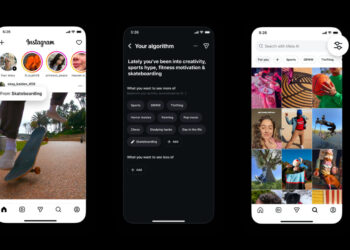
The app expanded its algorithm personalization features to its main feed. Meta Instagram just made it...

Enterprise AI teams face a dilemma: The best models today might not be the best models a year from now....
On Tuesday, Anthropic launched a new “Mythos-class” model, Fable 5, describing it as being more powerful than any other model...
Channing Tatum didn't just become an actor. He became a presence. 'Magic Mike'. '21 Jump Street'. 'The Vow'. 'Dear John'....

Discover Global News Panorama at news.mapworldnow.com — your universal gateway to comprehensive, international journalism. From politics and technology to culture and sports, we cover all news niches and all news categories from every corner of the world, all in one place.