- Latest
- Trending


Identifying why drowning has increased and why some groups of people or communities are at higher risk requires better data. We need to understand how to make basic swimming and water safety skills training more accessible. Reported barriers include:
Many more barriers exist, and some are complex and not well understood. We can develop and carry out inclusive programs that best meet each community’s needs when we understand a community’s unique social and cultural elements. Better data give us that insight.
Many Black, American Indian, and Alaska Native people report lack of access to pools as a barrier to swimming lessons. Racial segregation led to few options and many of the available pools were often poorly maintained or too shallow for swimming. Many public pools closed after racial desegregation and communities built fewer new pools over the decades. The legacy of this and other discrimination may influence current generations’ attitudes about and participation in swimming lessons.
During the pandemic, many public pools closed, which limited the availability of swimming lessons. Once pools reopened, many facilities faced shortages of trained swimming instructors and lifeguards. This has further reduced access to swimming lessons.

Your support helps us to tell the storyFrom reproductive rights to climate change to Big Tech, The Independent is on...

A win in the World Cup for Cape Verde on Friday would make it one of only a handful of...
The battle to decide who will run crisis-wracked Argentina is heading to a run off vote next month between left...
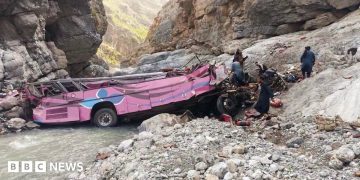
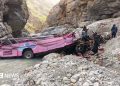
At least 32 people were killed and 16 others injured after an overcrowded passenger bus plunged into a ravine in...
Discover Global News Panorama at news.mapworldnow.com — your universal gateway to comprehensive, international journalism. From politics and technology to culture and sports, we cover all news niches and all news categories from every corner of the world, all in one place.