- Latest
- Trending


IWMI and the Nile Basin Initiative scope the development of a pioneering digital twin to boost water management and forecasting.
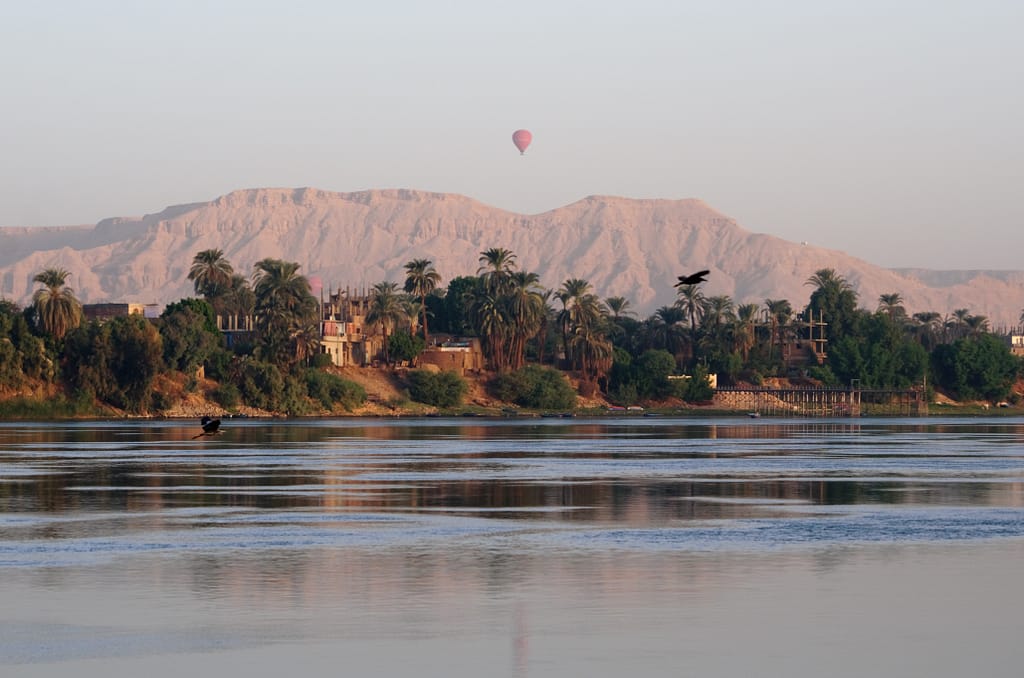
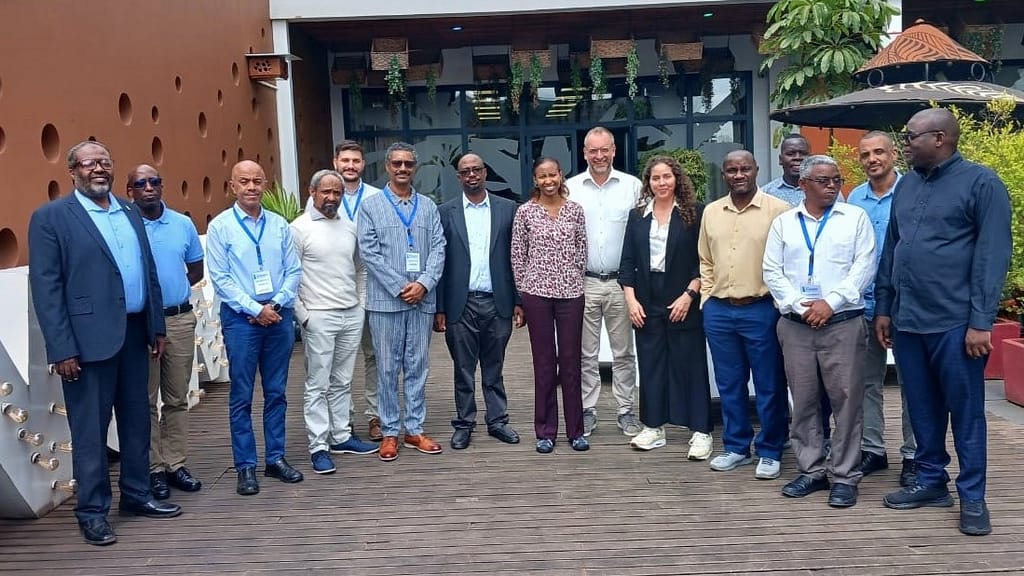
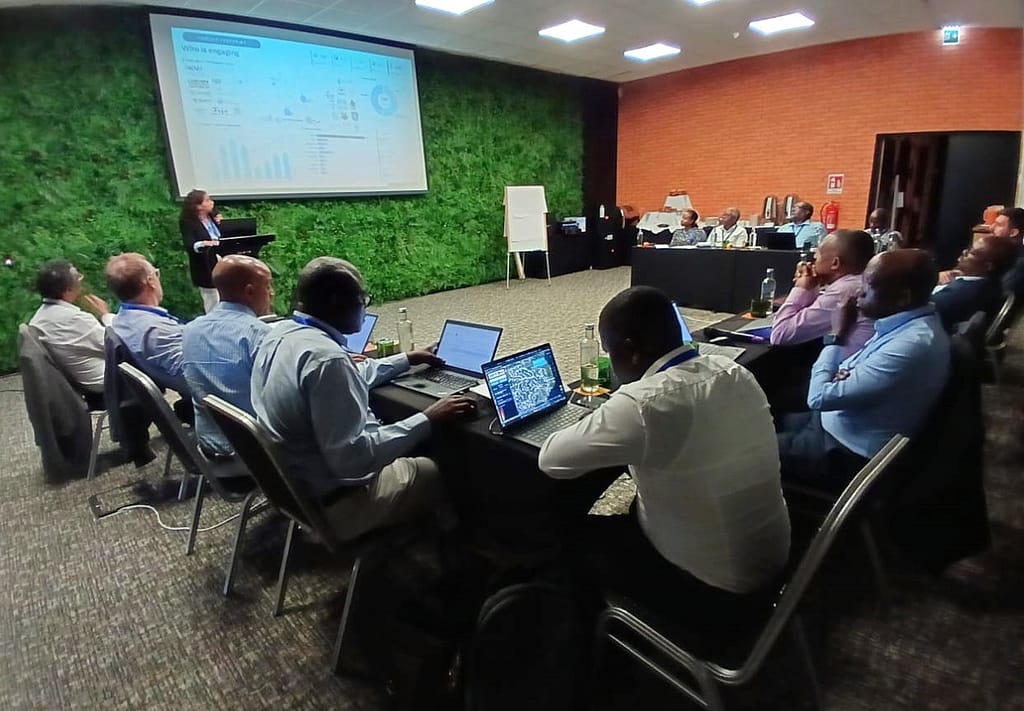
The Nile Basin Initiative (NBI) and the International Water Management Institute (IWMI) have taken a firm step in water management to jointly scope and design a digital twin for the Nile Basin. Technical experts from the two organizations and partners charted a course for digital innovation at a three-day consultative workshop in May in Kampala, Uganda to support sustainable water management and regional cooperation. Besides establishing a shared understanding of the digital twin concept and clearly defining the Nile Basin use case, the participants also developed a phased implementation roadmap that details required resources and partner contributions.
The Nile Basin is a complex transboundary river system facing challenges in data integration, access and visualization to enable effective use of the data for decision making. Through the digital twin IWMI will help bridge this gap with a unified platform for water availability and use, scenario analysis and stakeholder engagement.
Building on a longstanding Memorandum of Understanding (MoU) between IWMI and NBI, the digital twin marks a renewed partnership phase. NBI’s mandate and operational systems provide the foundation for regional impact, while IWMI offers extensive experience in digital twin development including successful collaborations in other major river basins such as Limpopo. Through this collaboration, two primary entry points for the Nile Basin digital twin were identified: the Strategic Water Resources Assessment (SWRA) and the Regional Hydrological Monitoring and Forecasting System.
The SWRA, a central pillar of NBI’s work since 2015, delivers vital insights into water availability, demand and strategic options for sustainable development. However, the challenge of translating large volumes of data into actionable knowledge has persisted. One of the digital twin’s priorities of the IWMI-NBI collaboration will be to visualize and analyze SWRA outputs, make them readily accessible to policymakers and stakeholders, and integrate water availability and use to improve management.
Another priority is to enhance the Regional Hydrological Monitoring and Forecasting System. Supported by the German government and the European Union, this system provides early flood warnings and water quality information to millions living within the basin. Working through the digital twin IWMI and NBI technical experts will help communicate these insights more effectively and strengthen national actors’ capacity to use forecasts for risk reduction and disaster preparedness.
This collaborative effort signals a commitment to digital transformation in shared waters management. By leveraging the strengths of both IWMI and NBI, the “Nile Basin Digital Twin” promises to deliver innovative tools for data integration, analysis and policy support that will lay the groundwork for resilient, cooperative water governance across one of Africa’s most vital river systems.

Microsoft CEO Satya Nadella is asking the company's employees to be smarter about their use of artificial intelligence (AI). The...

The highly controversial trend lies at the intersection of Russia's war on Ukraine, new AI technologies and grief. Source link
Before deciding to move out of his parents’ home last year, Kevin Martin carefully crafted a budget that would allow...
Over 40 million Americans have reported using GLP-1 drugs for weight loss, a behavior reshaping everything from the healthcare industry...
Discover Global News Panorama at news.mapworldnow.com — your universal gateway to comprehensive, international journalism. From politics and technology to culture and sports, we cover all news niches and all news categories from every corner of the world, all in one place.