- Latest
- Trending

NEW YORK — Food and beverage companies should prepare for a persistent mix shift as GLP-1 drug use increases from an approximately 12% penetration rate today to 15% to 18% by 2031, according to a report from OC&C Strategy Consultants.
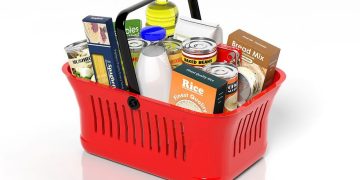
The report showed GLP-1s are expected to contribute an approximately -0.2% annual volume drag on US food and beverage demand through 2031. However, a changed basket composition also may impact businesses as users seek more protein, nutrient density and choose between fresh and functional categories.
Current GLP-1 users are more often focused on weight loss than diabetes, leading to behavior changes and usage patterns, the report said. They also are cycling on and off the drugs, leading to churn in the user base.
“If you go back two years, diabetes use was probably 80% (among those taking GLP-1s),” said Coye Nokes, partner and head of US retail and consumer goods for OC&C. “Today, it’s about split 50-50.”
She said that’s an estimate from the company’s survey data.
With a greater focus on weight loss among GLP-1 users, consumption patterns are changing to an increased concentration on fiber, vitamins and “things that come up when you’re eating a different volume of what you were eating before,” Nokes said.
“So, it has changed the mix,” she said. “There’s a bit of permissible indulgence. Maybe before it was absolutely no treats, but now maybe it’s a little bit.”
The cycling effect
The OC&C report found 60% of current users are discontinuing GLP-1 drugs within six months, although Nokes said some people indicated they are likely to restart. The reasons for the cycling effect vary.
“Sometimes it can be that they met their weight-loss goals,” she said. “Sometimes there are side effects, which can be unpleasant. … (And) some is cost related.”
The development presents another challenge for consumer packaged goods (CPG) manufacturers that are trying to keep up with changing consumer trends.
“Addressing the dynamic is being aware that, in a lot of parts of the market, there’s going to be a tradeoff between volume and the benefits you’re bringing, and how you’re catering to specific groups of consumers,” Nokes said.
The cycling on and off GLP-1s isn’t going to remove any consumer groups; it’s just going to shift them, she added. Users also are considering which products they’re going to go back to consuming — such as alcohol — and which ones they’re not.
“In CPG, you have to look at the entire population of consumers and how are you going to cater to different groups,” Nokes said.
Getting the mix right
Mix is a major theme in the OC&C report as GLP-1 users seek protein, fiber, freshness, satiety and products perceived as better-for-you, and, in some cases, reduce how often they snack and limit indulgences.
Nokes said it looks like a long-term trend as those who take GLP-1s begin learning more about their need for nutrients and which food and beverage products deliver them.
“I do think that even now there’s more education than there used to be around what are the kinds of nutrients that you’re going to be missing,” she said.
Examples include increasing protein intake if muscle loss is a concern and increasing fiber intake if digestive issues occur.
“There’s more of an awareness and a demand for those products,” she said.

Danone’s acquisition of Huel this past March is an example of how consumer packaged goods manufacturers are reshaping their portfolios to keep pace with current trends.
| Photo: ©OKRASIUK – STOCK.ADOBE.COMAdditional impacts from GLP-1 users on brands and manufacturers are smaller formats, cleaner labels, stronger taste and texture and less sugar and fat, the report said. Products winning in that scenario are prepared meats, yogurt and seafood, which offer protein and convenience.
Nokes said more of these kinds of products are likely to be hitting store shelves to respond to the trend.
“I think there’s going to be a lot of innovation in that direction as a pillar for nutrient-dense, smaller portion sizes,” she said. “It’s also going to be a way that there’s still some value to be provided by CPGs.”
Spending winners and losers
The OC&C report found consumers reduced the purchase of items in the indulgent and discretionary categories after one year on GLP-1s compared with the year prior to starting them. Alcohol saw the largest drop at 7% less spending, with sweet bakery, snacks and foods described as “rich” and “heavy” also showing declines.
Growth was seen in pre-packaged, ready-to-eat deli prepared meat, seafood, lunches and yogurt; granola bars; sugar-sweetened non-fruit beverages; sports drinks; fresh citrus fruit; gum; dried meat snacks and hot cereal.
“These categories benefit from alignment with dietary guidance around satiety, nutrition and ease of consumption,” the report said.
Company responses differ
As food and beverage companies observe the changes prompted by GLP-1 use, they’re considering a combination of value-added ingredients, acquisitions, innovation and portfolio shaping, Nokes said. The directions they choose depend on their starting point.
“From an innovation pipeline standpoint, it’s always going to be important to CPG because you need that newness,” she said. “It can be an intensity in flavor and flavor variety, even with smaller quantities.”
It goes back to what’s happening with nutrient information and product claims and figuring out how a food or beverage product can appeal to GLP-1 users.
“A lot of people are looking at their portfolio and asking how can they respond?” Nokes said.
An example she cited is Danone, which recently bought Huel, a United Kingdom-based protein company, to double down on protein and think about the shape of their portfolio.
The different ways CPG companies react to GLP-1 use will inevitably look different depending on the individual company situation and the specific goals.
“There’s no one single path that everyone’s on, and there’s also a bit of competitive gaming going on,” Nokes said. “They don’t want to all go the same direction. They’re asking what the weaknesses and strengths in our portfolio are, and how can we best address them in the market.”

Since Zane Li’s last men’s review, his New York label, Lii, received the Fashion Trust US Prize in the ready-to-wear...

New Harris Poll data released by HealthyWomen at the AANP National Conference reveals 91% of women agree that cognitive screening...
In 2012, a new form of bootkit was demonstrated. Instead of targeting machines through the BIOS or master boot record,...
# Introduction Have you ever thought, "If I had programming skills, I could launch my own startup or build the...

Discover Global News Panorama at news.mapworldnow.com — your universal gateway to comprehensive, international journalism. From politics and technology to culture and sports, we cover all news niches and all news categories from every corner of the world, all in one place.