- Latest
- Trending
Fashion—much more than the mere act of adorning oneself with garments—is an integral aspect of human societal and cultural development. It’s a field that Anthony Synnott, the author of monographs examining the sociological and philosophical aspects of appearance, accurately described as expressive of the symbolic part of ourselves, the ideal ego, the dream self, and a means for communication. It’s a potent vehicle for creative expression, evolving throughout centuries to reflect changing societal attitudes and cultural dynamics.
Identifying fashion trends often involves analyzing both current societal dynamics and historical precedents. For instance, the utility-focused fashion of World War II with its streamlined silhouettes and minimalist aesthetics was a direct response to fabric rationing, while the elaborate Rococo styles of the 18th-century reflected the opulence of monarchies and the upper classes before the French revolution.
Designers are now addressing the post-modern world’s diversity by creating inclusive designs that cater to various body types, ages, races, and genders. It’s a refreshing break from the once-mono styled industry.
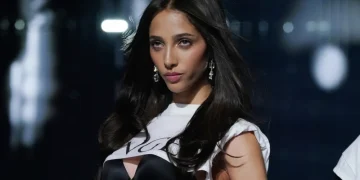
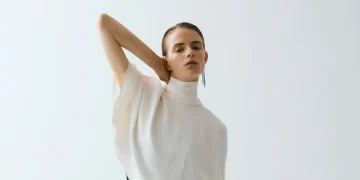
Today’s runway shows and collections encompass sartorial art forms—sculptural, avant-garde pieces that exist more for their aesthetic than practical appeal, and utilitarian designs—genuinely wearable collections that intelligently tackle needs and desires of the consumer.
Now more than ever, fashion also serves as a platform for social commentary. It reacts to and reflects societal issues, such as sustainability. Brands are increasingly adopting eco-friendly practices, creating upcycled collections, and investing significantly in techniques that aim to reduce fashion’s harmful environmental impact.
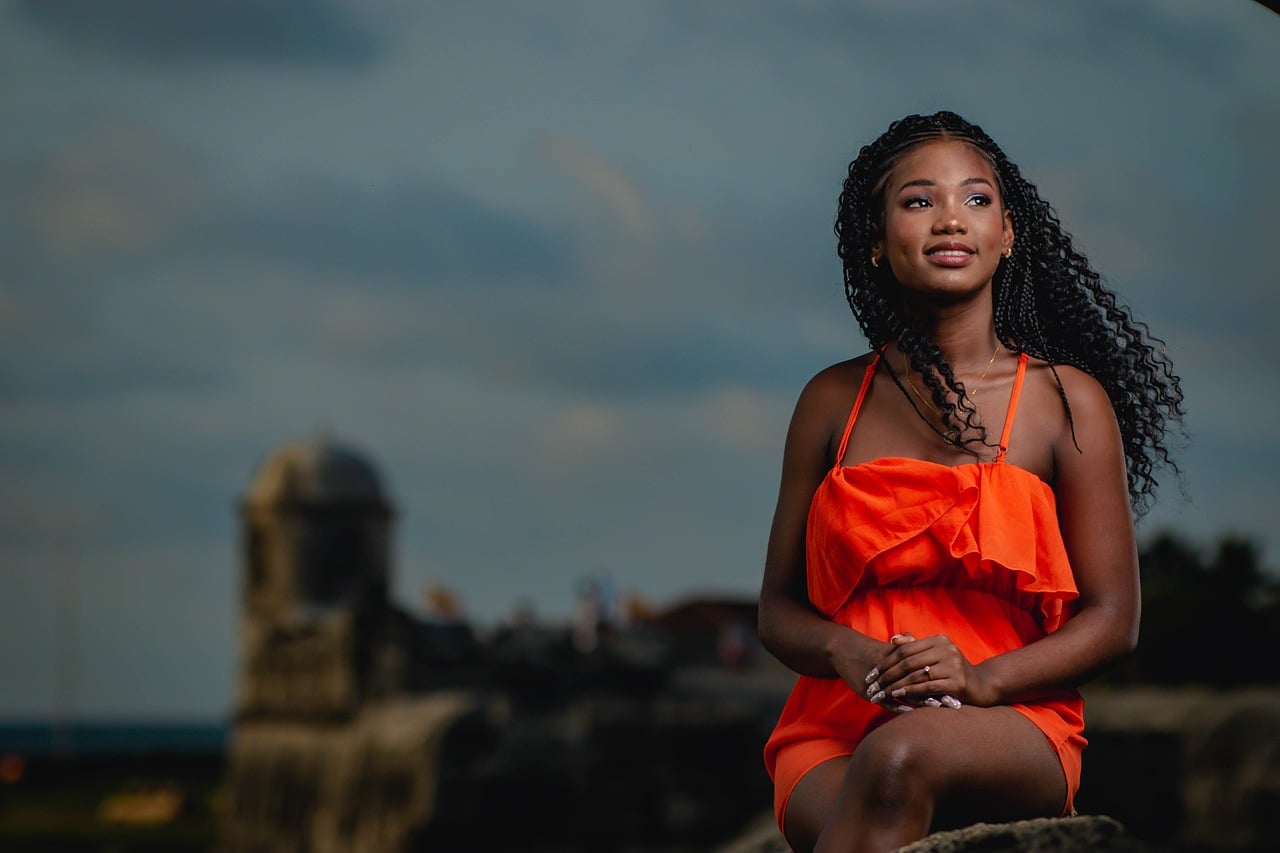
Yet fashion’s enduring charm lies in its inherent individual expression. It’s a personal, nuanced dialect, manipulating visual cues that reflect our identities and place in the society.
There’s an astonishing diversity in style that spans across continents, cultures, and communities. Here are a few of the timeless and trendiest:
1. Is fashion only about clothes?
No, fashion is not just about clothes. It also includes accessories, makeup, hairstyles, body proportions, and beauty.
2. What influences fashion trends?
Various factors influence fashion trends, including societal changes, technological innovations, political climates, and important international events.
3. Can fashion be sustainable?
Yes, sustainable fashion, also known as eco fashion, is achievable. It emphasizes creating clothes, shoes, and accessories in environmentally and socio-economically sustainable manners.
4. Is vintage clothing considered stylish?
Absolutely. Vintage clothing, especially those which are well-maintained, carry a unique charm and are often considered timeless.
5. Can I follow fashion trends and still maintain my personal style?
Yes, while trends are influencing factors, your individual preferences and personality should guide your personal style.
6. What is haute couture?
Haute couture is a French term for high fashion, referring to exclusive, custom-fitted clothing designed by fashion houses for private clients.
Fashion imparts an unprecedented influence on society, far beyond its functional purpose of clothing the human body. An amalgam of artistry, societal statements, and individual expression, it represents the era’s spirit and encapsulates human evolution. Irrespective of trends, finding comfort in one’s style is paramount. As Ralph Waldo Emerson has put it, “Fashion is ephemeral, style is eternal.”

Understanding Political Strategies: An Insightful Exploration Introduction Politics is the art of governing, making decisions that apply to group members....

Exploring Futuristic Tech Breakthroughs: A Deep Dive Introduction The modern era has been significantly influenced by technology. Society strongly relies...
10 Essential Tips for Creating Your Own Fashion Style The Intricacies of Fashion Fashion is a vast and dynamic industry...
Unleashing Freedom: 7 Tips for Unfettered Travel Introduction Travel is the movement of people away from their regular domicile, for...

Discover Global News Panorama at news.mapworldnow.com — your universal gateway to comprehensive, international journalism. From politics and technology to culture and sports, we cover all news niches and all news categories from every corner of the world, all in one place.