- Latest
- Trending

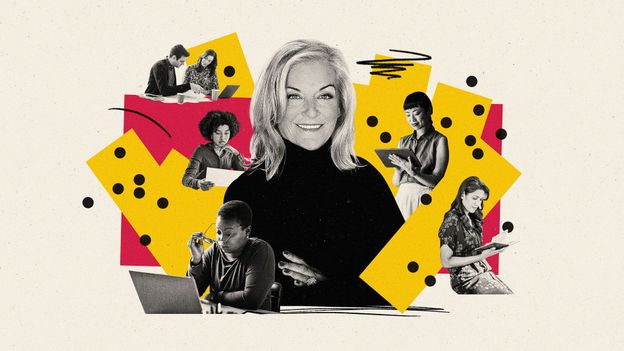
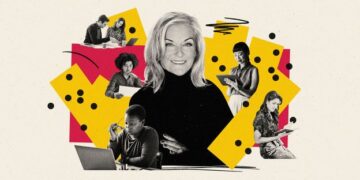
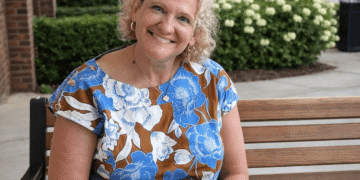
Karyn Twaronite, EY’s global vice chair of DEI, enters the BBC’s Executive Lounge to talk about how the untapped pool of neurodiverse workers can lift businesses and employees alike.
Karyn Twaronite tells the BBC that her first career step as an accountant at professional-services firm Ernst & Young wasn’t “sexy or exciting”. Yet it’s paid dividends. Throughout more than 30 years – all spent at Ernst & Young, now EY – Twaronite has climbed the ranks, rotating through different departments. When she found her way into talent and human resources, she discovered her niche.
Today, as EY’s global vice chair of diversity, equity and inclusiveness, she oversees DEI programmes for 400,000 people across 150 countries. The group, says Twaronite, is around 80% Gen Z and millennial workers, average age about 27. “That keeps us on our toes innovation-wise,” she says. For Twaronite, that innovation is essential, as she sees EY’s work in the DEI space as a core component of business operations.
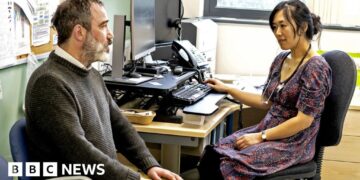
Throughout her tenure, she’s taken strides to incorporate programmes for an often-underemployed group: neurodivergent workers. “We really wanted to invest in that space,” she says. “It allows us for a to have an even bigger playing field of talent.” Today, EY operates 23 Neurodiverse Centers of Excellence (NCoE) across the world, designed to support workers with autism, dyslexia, ADHD and other cognitive differences. These neurodiverse employees – who do high-level work across AI, blockchain, data analytics and more – perform their roles in an accommodating environment with tailored professional development.
These initiatives are all part of that commitment to innovation. “I was tasked with looking at the future, and what would we need and where might we be short,” she tells the BBC. “And this talent base has really been extremely beneficial for us, because all tides rise together on this population.”

Sharing a giveaway with some of my favorite wellness, beauty, and skincare items! Check out the details below on how...

In a June 9 report, Sidhu maintained his “Outperform” rating and raised his target on Hammond to $355.00 from $325.00...
Michigan regulators say they seized dozens of illegal gambling devices and thousands of dollars in cash during a raid at...
In a pitch to private investors, Elon Musk once predicted that one of his companies would quintuple its revenue to...
Discover Global News Panorama at news.mapworldnow.com — your universal gateway to comprehensive, international journalism. From politics and technology to culture and sports, we cover all news niches and all news categories from every corner of the world, all in one place.