- Latest
- Trending

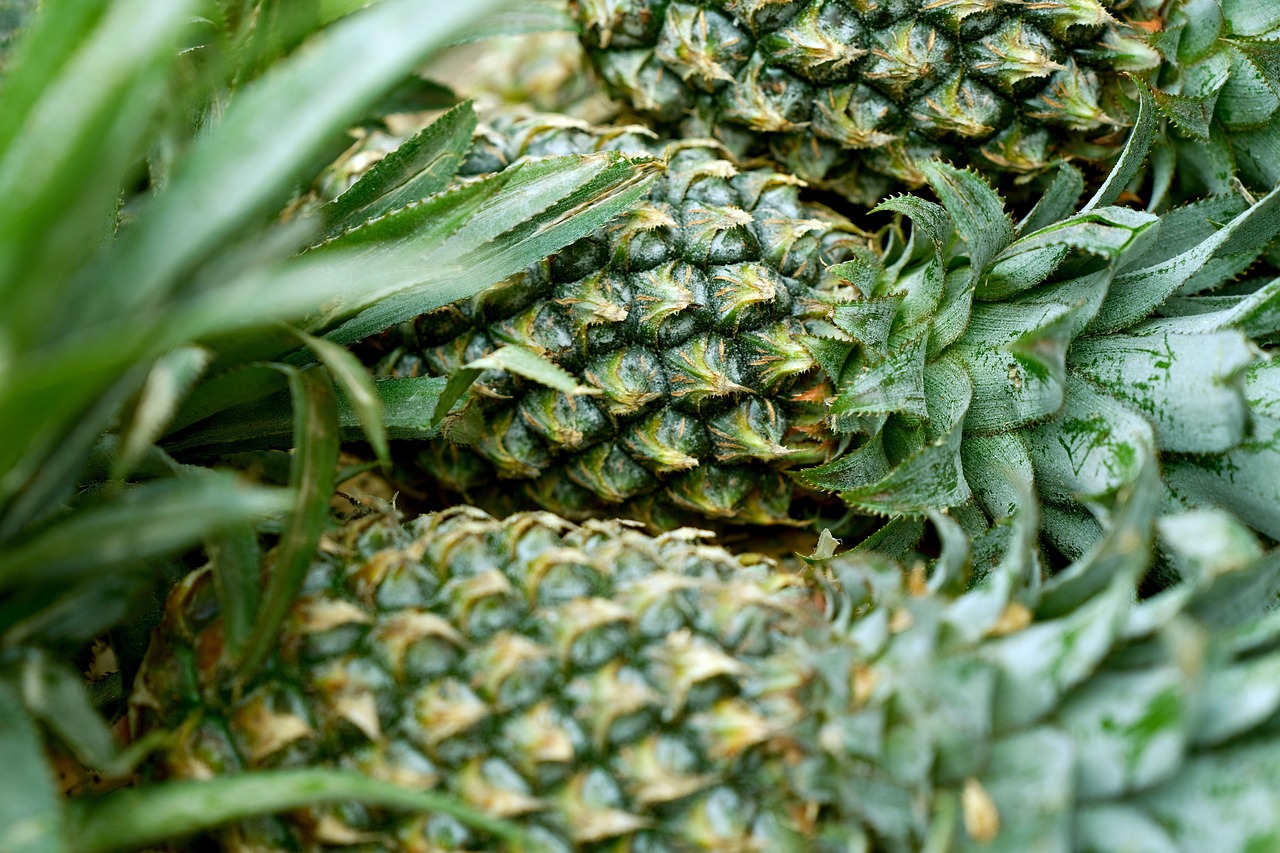
Food is a fundamental human necessity. It fuels our bodies, enabling us to think, work, play, and generally, to live. The primary function of food is to provide energy and meet our physiological requirements. But the importance of food extends beyond mere sustenance. Food is an intrinsic part of our social and cultural fabric. It is a medium for expressing love, building relationships, and celebrating life’s milestones and festivities. In essence, food touches every aspect of our lives in diverse, impactful ways.
In scientific terms, food is any substance, typically composed of carbohydrates, fats, proteins, and water, which can be ingested by an organism to enable growth, provide energy, and maintain life. This includes cooked meals, raw fruits and vegetables, grains, meats, and dairy products. Yet, the essentials of food comprises far more than chemical compounds and nutrients.
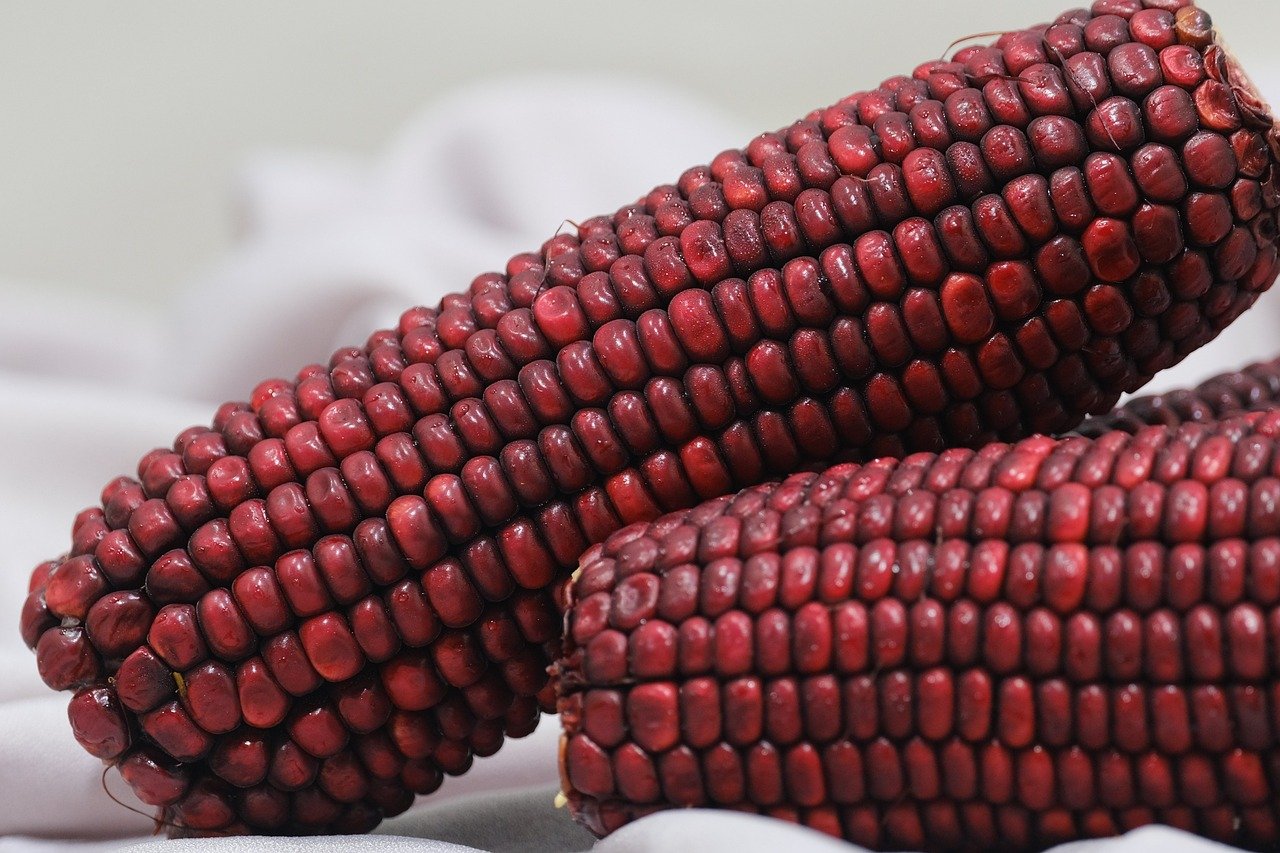
Food shapes our identities and beliefs, often reflecting our cultural heritage and personal values. People from different cultures have distinct cuisines and food habits that speak volumes about their traditions, history, and way of life. Foods like sushi, paella, or falafel are not just meals; they are representations of the cultures they originate from, carrying a unique blend of stories, customs, and influences. Food also serves as a powerful tool for cultural exchange and understanding, breaking down barriers and facilitating connections among people from diverse backgrounds.
The choices we make about food impact more than just our bodies. They have profound effects on the planet. From the water and land resources it takes to grow food, to the greenhouse gas emissions produced in the process, how we source, produce, and consume food has considerable environmental implications. Moreover, food waste is a significant concern that contributes to environmental degradation.
In today’s age, with the rising interest in well-being and fitness, the balance between nutrition and taste has become an essential aspect of food choices. While taste is a primary driver of what we eat, nutrition is equally crucial given its direct impact on our health. Finding a balance involves a comprehensive understanding of nutrition, portion sizes, and personal health needs.
Balanced nutrition is essential for maintaining good health and preventing diseases. It involves consuming a diverse range of foods in the right proportions to provide the body with essential nutrients. These include proteins, fats, carbohydrates, vitamins, and minerals, each with a distinct role.
On the other hand, taste plays an important role in food choices. Evolved as a survival mechanism, it helps differentiate nutritious, safe foods from harmful ones. The gustatory experience, involving the perception of flavors, aromas, textures, and temperatures, adds pleasure to eating, making it not just a physiological necessity but a delightful, sensory experience.
A balanced diet includes a variety of foods — grains, fruits, vegetables, proteins, and dairy — in right proportions, catering to the body’s nutritional needs.
Whole foods, such as fresh fruits and vegetables, whole grains, lean proteins, and legumes, are beneficial as they are minimally processed and retain most of their natural nutrients, providing maximum health benefits.
Yes, certain foods like chocolates, bananas, and nuts, known for their mood-enhancing properties, can impact mood. A healthy diet overall contributes to improved mental health.
Organic foods are grown without synthetic pesticides and fertilizers, making them a healthier and more environmentally friendly option. However, more research is needed to definitively state whether they provide better nutrition than conventional food.
Absolutely, food is deeply interconnected with culture — it is used in cultural celebrations, reflects historical influences, and represents traditions.
Food is not just our primary source of energy; it shapes our identity, influences our culture, impacts the environment, and plays a crucial role in our overall health and well-being. As we become more aware of the importance of balanced nutrition, sustainable farming and waste reduction, the future of food must lean towards a more responsible and wholesome approach. From what goes on our plates to how it gets there, our relationship with food is a direct reflection of our values and society at large. Therefore, it is critical that we approach food decisions consciously, respecting the vital nourishment it provides us and the profound symbolism it carries in our lives.

IE 11 is not supported. For an optimal experience visit our site on another browser.Mexico opens historic World Cup with...

Mark Zuckerberg, co-founder and chief executive of Meta, the company that owns Instagram, Facebook, and WhatsApp, has a similar holding...
Russia has postponed its flagship International Aviation and Space Salon (MAKS) air show until 2027, removing the event from the...
President Trump said he had called off new attacks on Iran and that a peace agreement could be signed this...
Discover Global News Panorama at news.mapworldnow.com — your universal gateway to comprehensive, international journalism. From politics and technology to culture and sports, we cover all news niches and all news categories from every corner of the world, all in one place.