- Latest
- Trending
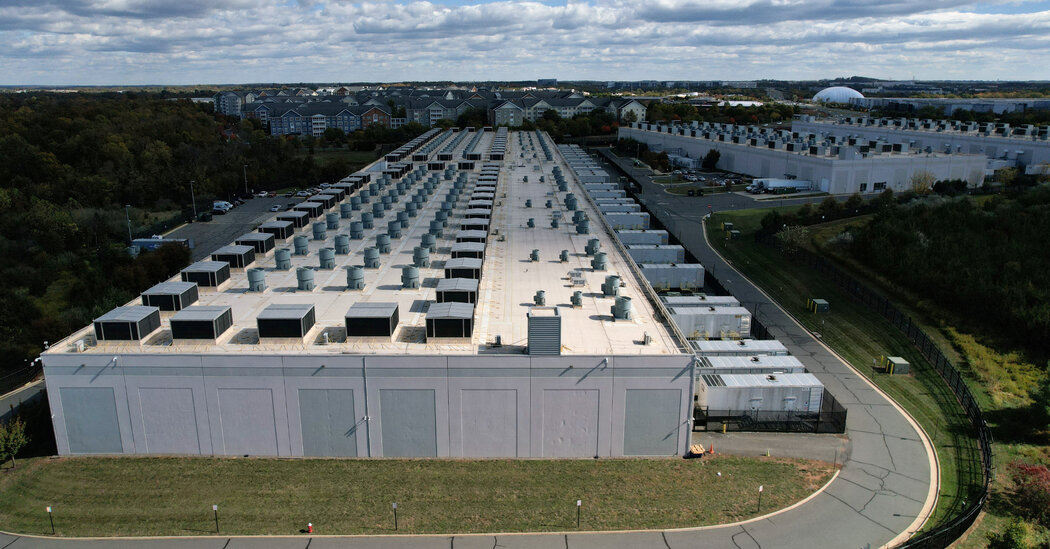
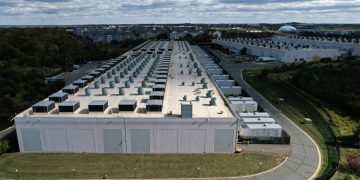
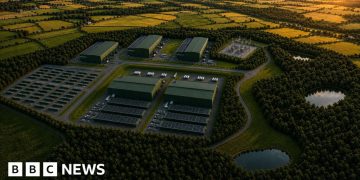
Driven by the demands of A.I., more than 1,500 U.S. data centers are in the development pipeline, with the rural South leading the wave, according to a Pew Research Center analysis of Data Center Map, an industry resource and marketplace. While most existing data centers are in urban areas, many new ones are planned in rural locations.
“The biggest areas are Texas, Virginia and Georgia,” said Matthew Shaw, a Coalition for Responsible Data Center Development volunteer. With an abundance of land and water, the South hosts 1,209 data centers, with plans for 754 more.
Many locals have pushed back against the opening of these massive power-hungry facilities. Potential downsides include increased electricity costs, loud noises, water management concerns and light disruption, said Anthony Pipa, a Brookings fellow researching rural data centers.
“People have ancestral homes out there,” said Steve Swope about the proposed Project Sail data center site in Coweta County, Ga., near his home. “Their property values are just going to be destroyed. They moved out there for a quiet, rural lifestyle, and now they’re faced with 10 years of ongoing construction.”
Although data centers may generate construction jobs and tax revenue, long-term and higher paying employment isn’t usually local, said Mr. Shaw. Centers can also look unsightly, though no more than a strip mall, said Lisa Adams, a resident of Loudoun County, Va., which is known as “Data Center Alley.”
Ms. Adams understands the noise concerns, but also the centers’ importance. “I personally kind of think it’s cool,” she said. “We’re in the center of everything that’s happening anew.”
Pushback stems, in part, from the developmental scale and speed of A.I. facilities — by 2030, the U.S. could invest $7 trillion in data centers. “It’s all happening very fast, so communities haven’t had much time to plan,” said Mr. Pipa. Consequently, proposals have identified locations often not considered optimal by preexisting residents.
“We don’t oppose data centers,” clarified Mr. Swope. It’s the rezoning of rural land to allow for the facilities that he objects to. “Put them in the right place and make the companies building them pay for the water, the power, the infrastructure.”

Jun 29, 2026, 07:00 AM ETWith the conclusion of last week's NBA draft, teams have shifted their focus to free...

Zuffa Boxing boss says he has no issue meeting Eddie Hearn but insists his promotion will keep competing for the...
A UN inquiry found that children in Gaza are being shot with a single bullet. Source link
KUALA LUMPUR: The search for missing Malaysia Airlines flight MH370 will be extended for another year, Malaysia said on Monday,...

Discover Global News Panorama at news.mapworldnow.com — your universal gateway to comprehensive, international journalism. From politics and technology to culture and sports, we cover all news niches and all news categories from every corner of the world, all in one place.