- Latest
- Trending
In a long-awaited court hearing, the Supreme Court ruled in a six to three majority that Trump did not have the authority to levy tariffs using the International Emergency Economic Powers Act – a 1977 statute that is meant for emergencies rather than routine trade policy decisions.
The court ruled that this act “does not authorise the president to impose tariffs”, challenging Trump’s use of executive authority.
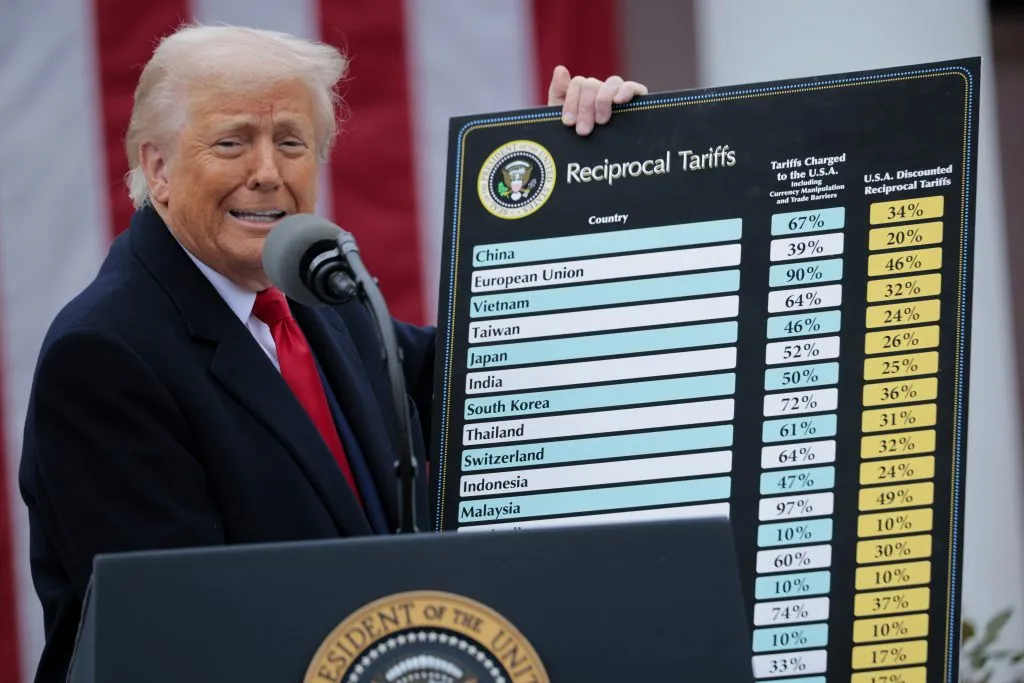
It is understood that the ruling applies to his emergency “Liberation Day” tariffs unveiled on 2 April 2025, rather than individual levies imposed on specific countries and products.
Brett Kavanaugh, one of the court’s nine justices, who disagreed with the decision, said the US may be required to “refund billions of dollars to importers” that paid tariffs as a result.
He added that the refund process is likely to be “a mess”, as some importers have already passed on the cost to consumers.
In response, Trump claimed it was his “right” to set tariffs in his role as president, and that without the import taxes “everyone would be bankrupt”.
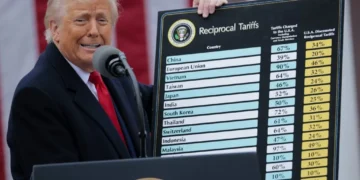
Trump announced his “reciprocal tariffs” on 2 April 2025, which he dubbed “Liberation Day”. The European Union described the new taxes as “a major blow to the world economy”.
The tariffs were consequently reduced as trade deals between the US and other countries were struck.

MyFitnessPal needs to review the security of your connection before proceeding. Enable JavaScript and cookies to continue If you are...

Brunello Cucinelli was his own best example at this presentation of a collection “dedicated to the contemporary man who refuses...
EnglishLa urticaria crónica espontánea (UCE) es cómo tu tía menos querida. Aparece sin previo aviso para quedarse más de lo...
FT analysis shows company warned about dangers of advanced AI far more than rival OpenAI this year Source link

Discover Global News Panorama at news.mapworldnow.com — your universal gateway to comprehensive, international journalism. From politics and technology to culture and sports, we cover all news niches and all news categories from every corner of the world, all in one place.