- Latest
- Trending
Phosphorus is a critical nutrient for freshwater ecosystem health, yet the interactive effects of dam operation and anthropogenic pollution on water-sediment-phosphorus dynamics in sediment-rich river systems remain poorly characterized. This study analyzes the spatiotemporal heterogeneity of total phosphorus (TP) concentration (TPC) and flux (TPF) across the Yellow River during 2006–2022, to investigate the mechanisms by which damming and Water-Sediment Regulation Scheme (WSRS) reshape water-sediment-phosphorus dynamics. Our findings reveal that damming reduced the phosphorus transport capacity by ∼60% compared with non-dam-influenced reaches during 2006–2015. As reservoir sedimentation progressed and the WSRS was implemented, the TP in the middle reach gradually recovered, leading to a substantial increase in TPC during 2016–2022. The Xiaolangdi mega-reservoir substantially disrupts the synchronization of water-sediment-phosphorus relationship due to large storage capacity, extended hydraulic retention time, and complex WSRS. We suspect that damming induces an approximately 6-year time lag effect between the cumulative pollution source input and the net TPF. The study emphasizes that global management of dammed rivers should shift from simple source control and water-sediment regulation toward an integrated strategy encompassing legacy phosphorus management and multi-objective reservoir operation.

The outbreak remains centered in eastern DR Congo with Ituri the hardest-hit province The number of confirmed Ebola cases in...

The Round of 32 has already delivered shocks, shootouts and scenes that will live long in World Cup memory.After Paraguay...
Argentina's Pacific-pact bid would make it a trade partner of the UK, raising a Falklands dilemma Monday, June 29th 2026...
The project involves almost £5m of funding from Invest NI with the rest of the money from the firms. Source...

Discover Global News Panorama at news.mapworldnow.com — your universal gateway to comprehensive, international journalism. From politics and technology to culture and sports, we cover all news niches and all news categories from every corner of the world, all in one place.


![Ebola in the DRC: At least 300 positive cases unaccounted for [Africanews Today]](https://news.mapworldnow.com/wp-content/uploads/2026/06/1024x538_cmsv2_25f7c4fa-db68-5802-982d-f4c1ab52755b-9817196-75x75.jpg)

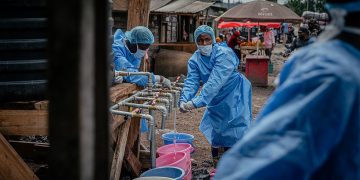



























































![Ebola in the DRC: At least 300 positive cases unaccounted for [Africanews Today]](https://news.mapworldnow.com/wp-content/uploads/2026/06/1024x538_cmsv2_25f7c4fa-db68-5802-982d-f4c1ab52755b-9817196-360x180.jpg)