- Latest
- Trending

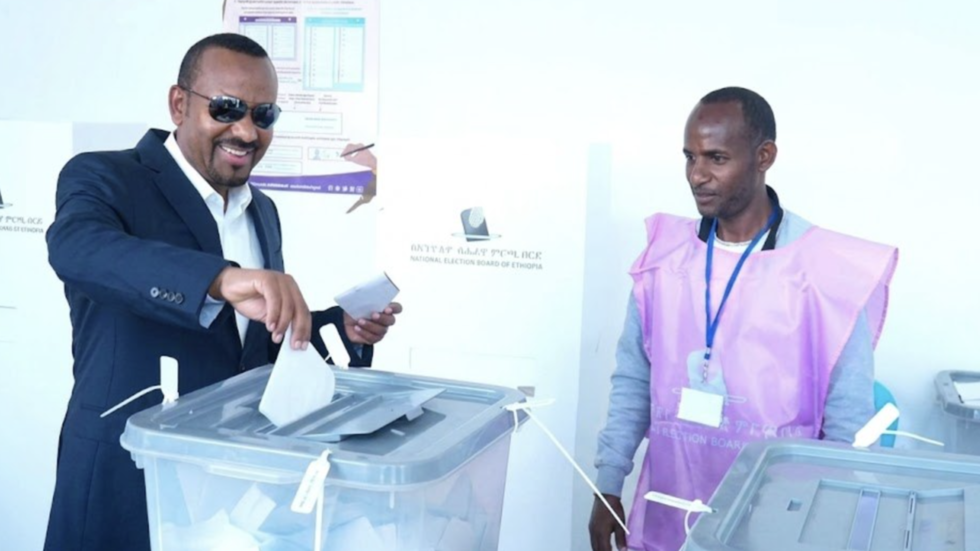
Abiy Ahmed’s Prosperity Party won 438 seats in the June 1 vote, according to results released by the National Election Board
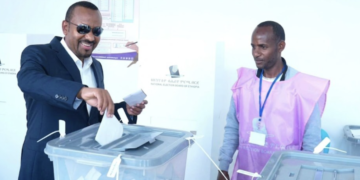
Ethiopian Prime Minister Abiy Ahmed’s Prosperity Party has secured a parliamentary majority in the country’s general election, officials have announced, extending its dominance in the 547-seat House of Peoples’ Representatives.
The Prosperity Party won 438 seats in the June 1 vote, according to results released by the National Election Board on Sunday. Only 17 of the 42 political parties that contested the election secured representation in parliament.
The election took place across most of the East African nation’s regions, with more than 50 million registered voters, according to the electoral board, which put turnout at about 94%. However, voting did not take place in the northern Tigray region, which has remained outside national elections amid ongoing instability after a two-year war between Ethiopian federal forces and the Tigray People’s Liberation Front that ended in 2022. Several areas in Oromia and Amhara also experienced disruptions, with 143 polling stations unable to open due to insecurity, according to local media.
Abiy has been in office since 2018, when he became prime minister following internal reforms within the then-ruling Ethiopian People’s Revolutionary Democratic Front. He later dissolved the coalition in 2019 and formed the Prosperity Party through a merger of several regional parties.
His tenure has been marked by sweeping political and economic reforms, but also by prolonged conflict in northern Ethiopia, including the war in Tigray, as well as ongoing violence in Oromia and Amhara regions.
Opposition parties, including the Oromo Federalist Congress, Ethiopian Citizens for Social Justice, and the National Movement of Amhara, rejected the election process, citing intimidation, limited campaign space, and the exclusion of key political figures, and said the vote fell short of free and fair standards.
The African Union Election Observation Mission said election day was generally calm, with voting conducted in an orderly manner at most polling stations it observed.
Speaking at the release of the preliminary findings, former Kenyan President Uhuru Kenyatta, who headed the AU mission, urged Ethiopians to be proud of their country, which “stood against the wave of colonialism, united, and never colonized.”

Ethiopia is a parliamentary republic, meaning the composition of the federal parliament will determine the formation of the next government and the selection of the prime minister.
In a statement following the announcement of the results, the Prosperity Party expressed gratitude to Ethiopians for “their role in a peaceful, credible, and historic electoral process” and pledged to intensify efforts to deliver inclusive economic growth, improve livelihoods, and expand employment opportunities.
You can share this story on social media:



Hosted by James McNicholasTamerra Griffin and Hannah VanbiberProduced by Jesse Burton and Maggie BurbankJoin Tamerra Griffin and James McNicholas on...

China rejects trade criticism after Merz backs global yuan action Source link
Embattled British Prime Minister Keir Starmer, conceding to pressure from his Labour Party to hand over the reins of power, announced...
Discover Global News Panorama at news.mapworldnow.com — your universal gateway to comprehensive, international journalism. From politics and technology to culture and sports, we cover all news niches and all news categories from every corner of the world, all in one place.