- Latest
- Trending
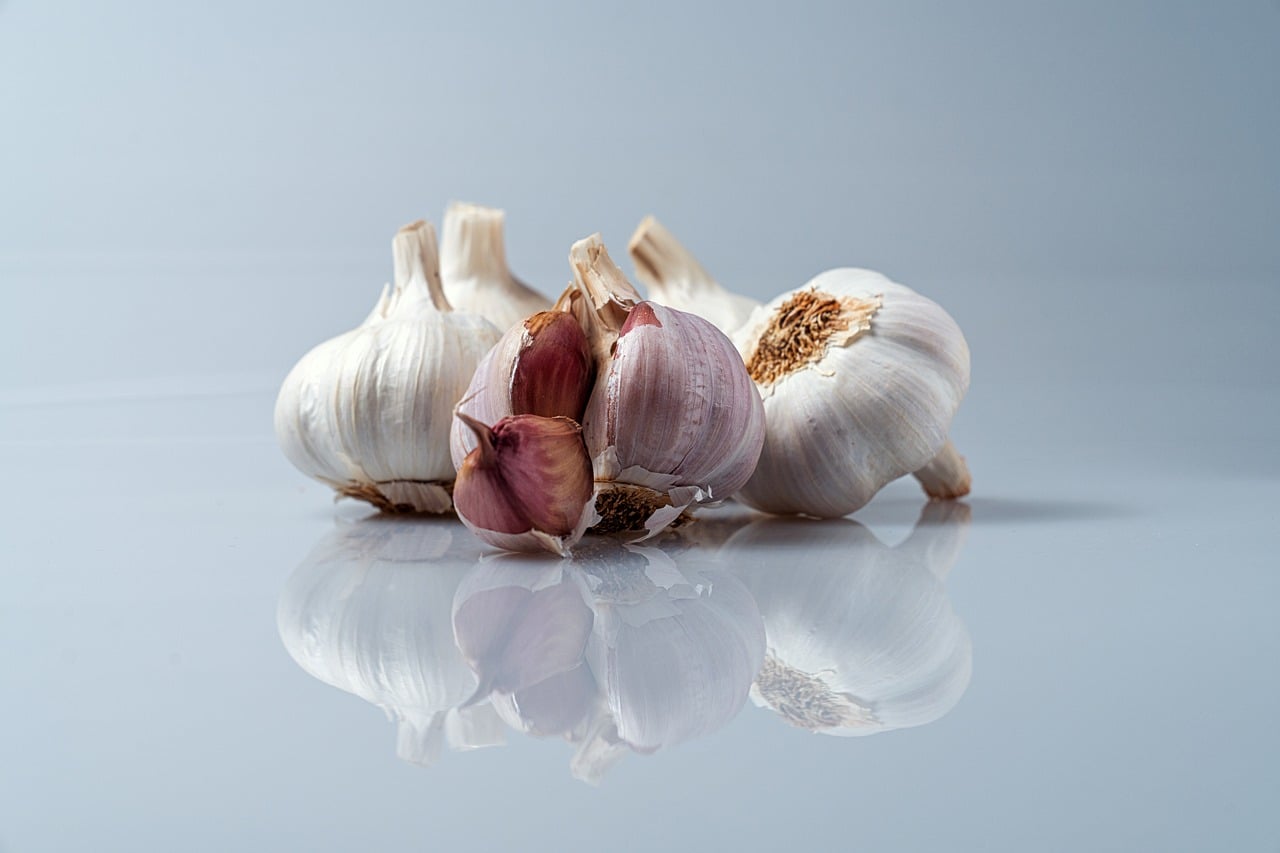
Food – a necessity, a comfort, a pleasure. We often think of it simply as a means of survival, but truly, food is a global language, a kind of exchange that speaks to our culture, our lifestyle, and our values. It’s more than just the bread and butter of life. It represents human indulgence, passion, tradition, and innovation
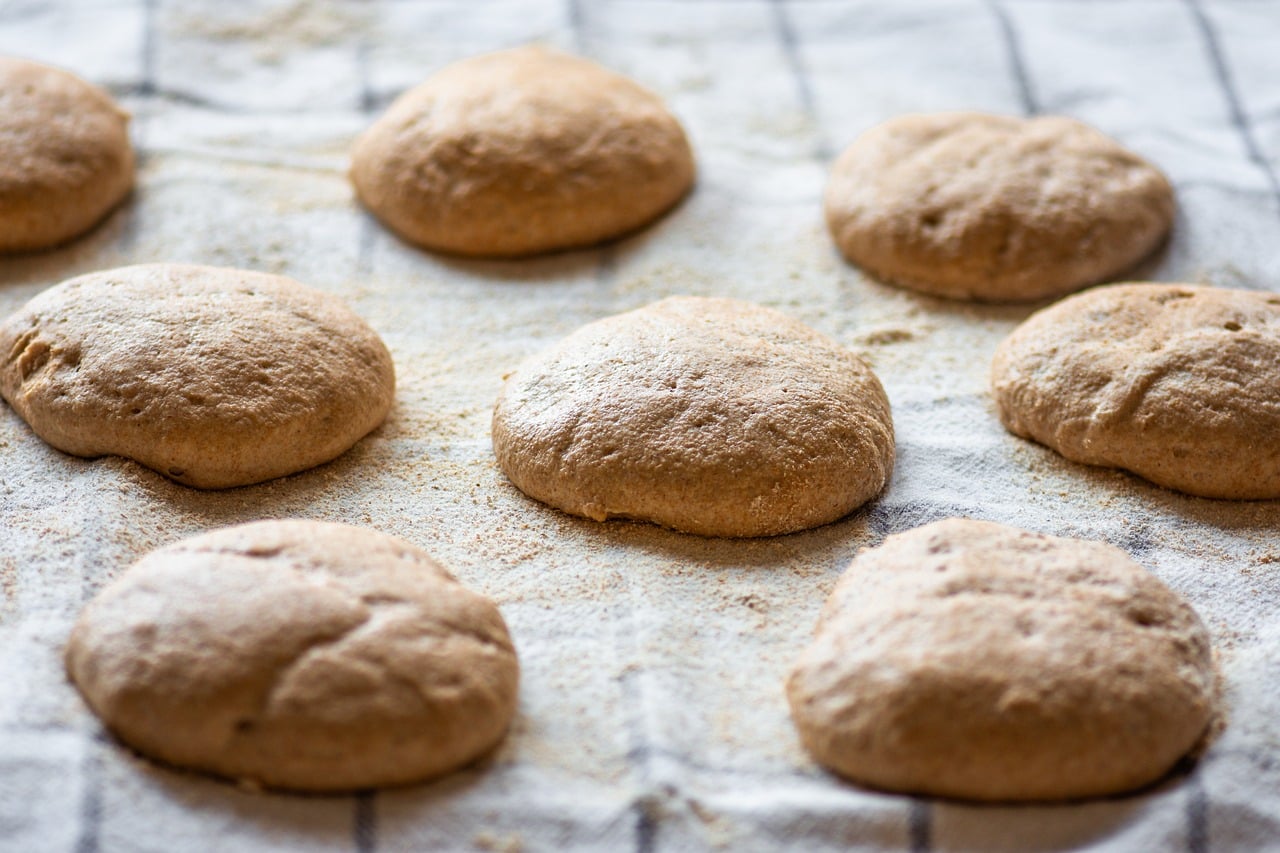
Food forms an integral part of cultural expression. Every country, every region and even every house might have unique food traditions, meals that signify certain festivals or rituals, dishes that have been passed down through generations. Delicacies from Japan express a distinctly different cultural perspective than staples of Moroccan cuisine, but both have something enlightening to say about the people who enjoy them every day.
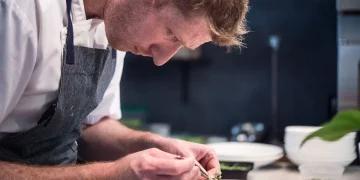
Preparing food is in itself a form of art and creativity. It offers an avenue for curiosity and experimentation. Ingredients, spices, cooking times, and methods and plate presentation can all take a dish from basic to gourmet. Professional chefs and home cooks alike have been known to express themselves creatively in the kitchen, using food as a canvas where they can experiment with color, texture, and taste.
Beyond art and culture, food involves significant scientific understanding as well. Nutrients present in the food we eat, such as proteins, carbohydrates, fats, vitamins, and minerals, all play crucial roles in maintaining our health. Understanding food and its nutrients is essential for making informed decisions about our diet. Moreover, from food preservation to modifying food for health reasons like reducing cholesterol or for dietary constraints like making it gluten-free, it all requires scientific knowledge.
Food production and consumption also have a substantial impact on the environment. Agriculture has a significant role in the emission of greenhouse gases and deforestation. Simultaneously, the waste generated from food processing is a crucial contributor to the total waste produced globally. Hence, sustainable and efficient food production and consumption practices are of utmost importance.
Each one of us has a role to play when it comes to creating and maintaining a sustainable food system. This responsibility begins with making informed choices, choosing to support local farmers, considering the environmental impact of the food we buy, and ensuring minimal food waste.
A balanced diet ensures that our bodies receive the essential nutrients necessary for good health. It reduces the risk of chronic illnesses such as heart disease, diabetes, and cancer. A balanced diet contains a variety of foods from different food groups: grains, proteins, fruits and vegetables, dairy, and fats.
Yes, with careful planning. A vegan or vegetarian diet needs to be well-balanced and varied to ensure that you’re getting all the nutrients your body requires. It’s essential to get protein, iron, zinc, vitamin B12, essential fatty acids, and other nutrients through a proper combination of plant-based foods.
Food is a significant part of cultural identity. Each culture has its unique dishes, cooking methods, and customs around food, which convey cultural heritage, communal relationships, and societal values.
Agriculture contributes to the emission of greenhouse gases and can also cause deforestation, water scarcity and soil degradation. Sustainable agricultural practices like organic farming and methods to increase crop diversity can mitigate these impacts.
Food preservation helps extend the shelf-life of food, reduces food waste, and preserves its nutritional quality. It allows us to enjoy seasonal fruits and vegetables year-round and also helps in maintaining food safety.
To sum up, food is much more than a mere sustenance. It’s a universal factor that brings people together, showcases cultural diversity, and demonstrates creativity. It’s an important scientific element, understanding which helps us make better health choices. Food production and consumption are crucial to our environmental footprint and, hence, we all bear the responsibility of making wise and sustainable food choices. To understand food is to understand humanity better, to truly appreciate the chemistry involved in its production, consumption, and its vital role in our culture, health and environment. Allow food to be more than just a means to an end, but an ongoing exploration of what it is to be a human—growing, preparing, eating, sharing, and ultimately connecting over food.


This Story’s Impact 13.6M total brand impressions This article was produced in collaboration with Esquire. It may not be reproduced...
Known as the 'city in a forest', Atlanta puts locally grown produce at the heart of its food culture. From...
Translations: La demanda de los viajes aéreos cae 2,2% en mayo (pdf) 国际航协:5月航空客运需求下降2.2% (pdf) Geneva – The International Air Transport...

Discover Global News Panorama at news.mapworldnow.com — your universal gateway to comprehensive, international journalism. From politics and technology to culture and sports, we cover all news niches and all news categories from every corner of the world, all in one place.