- Latest
- Trending

Sports, from the Latin ‘sporta’ which means ‘an amusement, diversion’, has now evolved to represent a collection of activities involving physical exertion and skill. The objective is the physical agility and stamina involved, often in a competitive setting.
Sport, in its numerous variations, is undoubtedly a significant component of contemporary society. It embodies the zeitgeist of an epoch, being both a product of culture and a form of cultural expression. Crucially, sport is no longer confined to recreational activity; it’s an industry, an area of scientific research, a tool for social change, and much more.
Sport contributes significantly to physical health and well-being. Regular participation can improve cardiovascular stamina, build strength, increase flexibility, and enhance motor skills. Sports-specific training often leads to improved overall performance in other areas of life and contributes to personal growth and development.
Sports, on a personal level, also presents opportunities to learn life lessons. It imparts ethical and moral values in individuals, inculcating a sense of fair play, respect for discipline, acceptance of defeat, and recognition of the importance of teamwork. Psychological studies suggest that the discipline of regular sports activity can even lead to improved academic performance.
At all levels, be it universities, schools, or local communities, sports is instrumental in fostering a spirit of healthy competition and collaboration. As a social institution, it has the power to strengthen the bond among individuals, fostering a sense of collective identity and solidarity.
Sports, when perceived as a microcosm of society, exhibits the dynamics of social stratification. It also offers an avenue to challenge the convoluted narrative of social norms, potentially delivering a beneficial influence on gender roles, economic status, and racial stereotypes.
The economic impact of sport is colossal and is manifested in various forms, from the creation of jobs and generation of revenue to the boosting of local economies in cities hosting sporting events. The sporting industry, globally, generates billions of dollars annually, and emerging markets in Asia and Africa offer immense growth potential.
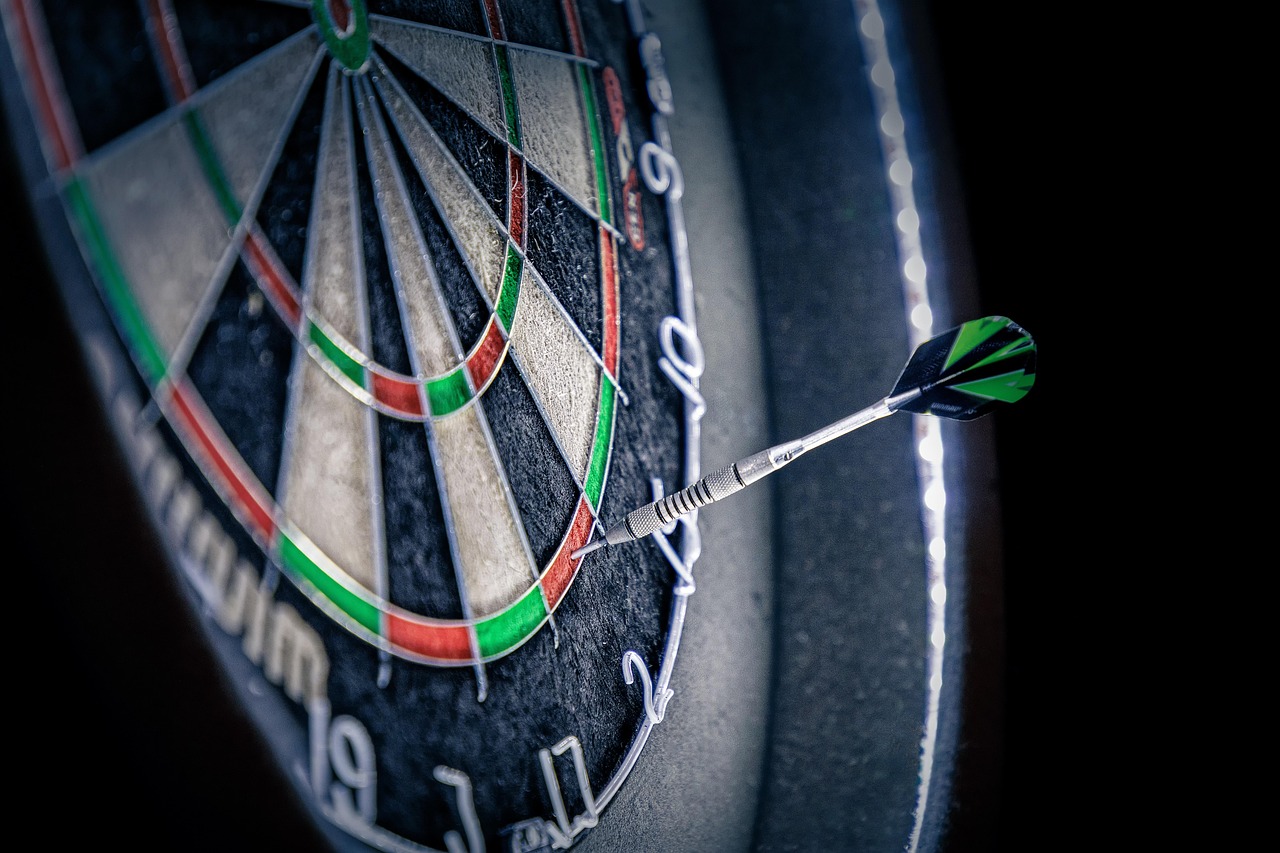
Sports can initiate significant economic development. Major international events, such as the Olympics, stimulate infrastructure development, improve facilities, bring in foreign tourists, and create a global buzz around the host city. They offer valuable opportunities for hosting cities and countries to project and reposition themselves on the world stage.
While sports help to boost physical health and fitness, there are potential risks involved. For example, certain sports expose participants to a high risk of injury, including contact sports like rugby or American football.
There are also concerns about how sports culture can drive individuals to unhealthy extremes. There has been increasing concern about doping and substance abuse in professional sports. It is a constant challenge for authorities to maintain authenticity and fairness in competition, given the intense pressures to succeed.
A1. All sports can offer health benefits through physical activity, but the greatest benefits often come from sports that require endurance, strength, and flexibility. Swimming, tennis and soccer are often cited as excellent for overall health. They improve cardiovascular health and muscle tone.
A2. Yes, sports can significantly contribute to mental health. Regular physical activity has been shown to reduce stress, anxiety, and depression.
A3. Sports contribute to the economy through direct spending on sports products and events, and indirectly by providing jobs in sports-related occupations. Major sports events can trigger economic growth in the hosting city or region.
A4. Sports has long been a powerful tool for social change, breaking down barriers and fighting discrimination. It can enable dialogue, bring communities together and inculcate values such as fairness and teamwork.
A5. While sports often have a positive social impact, they can also contribute to societal problems such as aggression, rule violation, and excessive competitiveness. Management and educators should be aware of these potential challenges and address them adequately.
In conclusion, the relationship between society and sports is multi-dimensional. This relationship is intertwined with economic, social, and personal factors. While it’s undoubtedly a critical part of personal development and societal growth, the implications of sports on health and economy are vast. It’s an effective tool for social change and a powerful economic driver, but it also comes with potential risks and health concerns. To realize the full benefits of sports, each aspect should be addressed with due consideration, ensuring the balance between competition and preservation of ethics and health.

Understanding Political Strategies: An Insightful Exploration Introduction Politics is the art of governing, making decisions that apply to group members....

Exploring Futuristic Tech Breakthroughs: A Deep Dive Introduction The modern era has been significantly influenced by technology. Society strongly relies...
10 Essential Tips for Creating Your Own Fashion Style The Intricacies of Fashion Fashion is a vast and dynamic industry...
Unleashing Freedom: 7 Tips for Unfettered Travel Introduction Travel is the movement of people away from their regular domicile, for...

Discover Global News Panorama at news.mapworldnow.com — your universal gateway to comprehensive, international journalism. From politics and technology to culture and sports, we cover all news niches and all news categories from every corner of the world, all in one place.