- Latest
- Trending
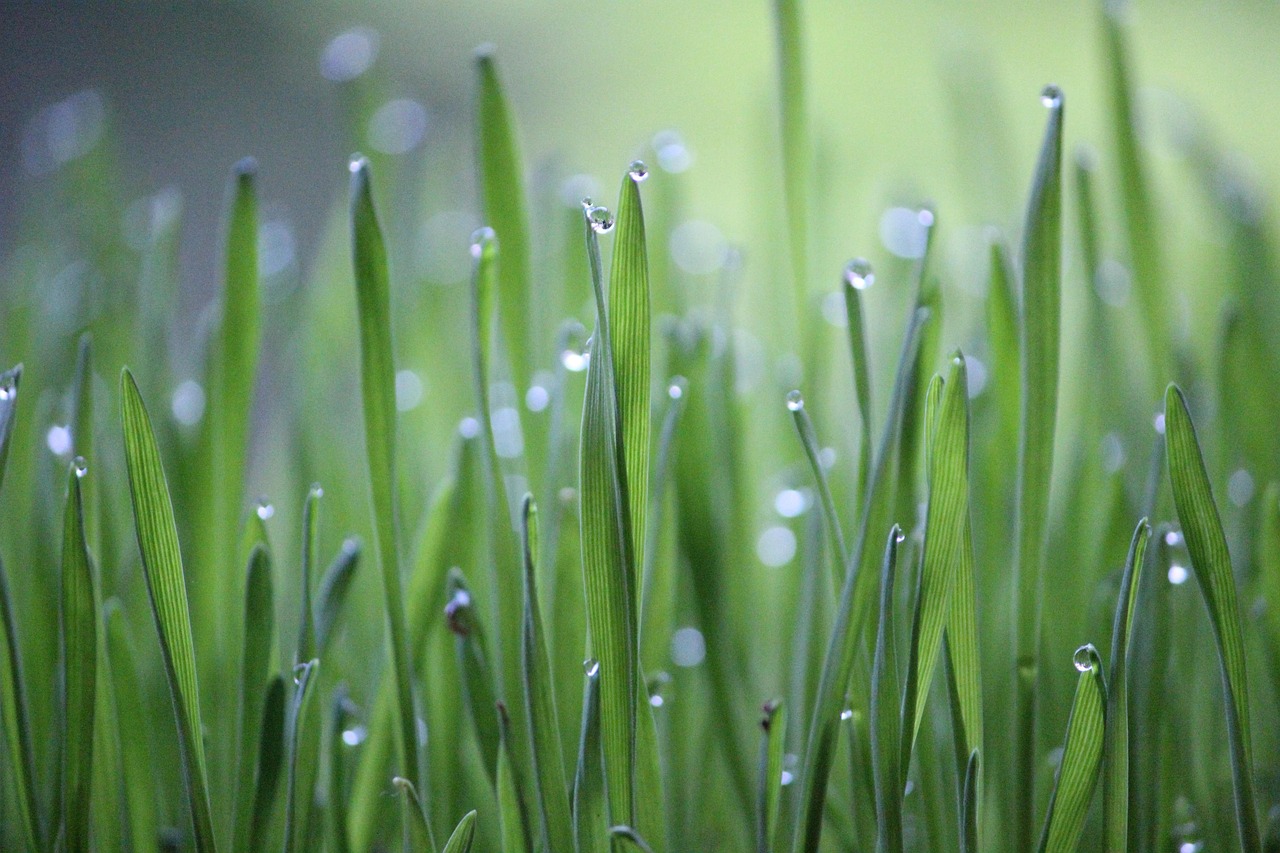
Health is a broad concept that embodies physical, mental, and social well-being. It is not just the absence of disease or infirmity, but a state of complete healthiness in all aspects of life. Optimal health can only be achieved when a balanced approach is taken towards eating, exercising, and managing stress. This all-encompassing wellness leads to increased longevity, improved quality of life, greater productivity, and a more fulfilling existence.
Let’s explore the different components of health, the importance of each, and how they interact.
The World Health Organization (WHO) defines health as a state of complete physical, mental, and social well-being and not merely the absence of disease or infirmity. This definition implies that health is a holistic concept that goes beyond being disease-free.
Physical health entails the condition of the body, its capacity to function properly, its physical fitness, and overall wellbeing. It could be improved by regular exercise, a balanced diet, sufficient sleep, maintaining proper body weight and abstaining from harmful habits such as smoking and excessive drinking. Regular doctor’s check-ups for preventative care are also instrumental in maintaining good health.
Mental and emotional health refers to an individual’s psychological and emotional well-being. Good mental health helps you lead a happy and healthy life and promotes productivity and effective functioning in daily activities.
To maintain mental health, it is important to stay positive, socialize with others, take out time for self-care, and seek professional help if need be. Stress management plays a vital role in maintaining mental health. Prolonged stress can lead to severe mental health problems like depression and anxiety.
Social health refers to one’s ability to form satisfying interpersonal relationships with others. It also relates to the ability to adapt comfortably to different social situations and act appropriately in a variety of settings. Strategies to improve social health include communicating effectively, respecting yourself and others, and creating a supportive network of friends and family.

Maintaining good health should be a vital part of our daily routines. This involves balanced nutrition, regular physical activity, adequate rest, good hygiene, regular health screenings, and mental health care. Adequate financial resources also play a part in maintaining health, as they give access to better healthcare facilities and services.
Health significantly influences the quality of life. Healthy individuals can work for longer hours, can involve themselves in various physical activities and they tend to live longer.
Yes, regular physical activity not only improves your muscle strength and boost your endurance but also helps prevent a variety of health issues and illnesses ranging from cancer to heart disease to depression.
Maintaining good mental health involves dealing effectively with stress, staying positive, maintaining strong relationships, sleeping enough, and seeking professional help if needed.
Indeed, consuming a balanced and nutritious diet can help prevent a variety of diseases and health complications, including heart disease, stroke, and diabetes.
Sleep has a profound effect on both physical and mental health. It assists in healing, improves mood, and plays a key role in cognitive functions, such as memory and learning.
Health is a dynamic process as it is always changing. As we all have variations in our level of wellness, any change in health, either temporary or permanent, indicates a change in one’s individual health status. We may change the way we look at our health as our perspectives change and mature throughout life. In order to lead healthy lives, it’s crucial to acknowledge the shifting dimensions of health – physical, mental, and social health – and work towards strengthening each pillar to achieve wellness in all spectrums of our life.

Understanding Political Strategies: An Insightful Exploration Introduction Politics is the art of governing, making decisions that apply to group members....

Exploring Futuristic Tech Breakthroughs: A Deep Dive Introduction The modern era has been significantly influenced by technology. Society strongly relies...
10 Essential Tips for Creating Your Own Fashion Style The Intricacies of Fashion Fashion is a vast and dynamic industry...
Unleashing Freedom: 7 Tips for Unfettered Travel Introduction Travel is the movement of people away from their regular domicile, for...

Discover Global News Panorama at news.mapworldnow.com — your universal gateway to comprehensive, international journalism. From politics and technology to culture and sports, we cover all news niches and all news categories from every corner of the world, all in one place.