- Latest
- Trending

Details about Johnson’s life before she arrived at the White House are sparse. She was biracial, born enslaved in Kentucky—either in Louisville or Georgetown—and nicknamed Dolly (sometimes spelled Dollie). According to historian Sarah Fling, Johnson gave birth to a daughter named Emma and later began to cater meals in Lexington and work for former Union officer Colonel John Mason Brown—a job that might have paved her way to the White House.
As the story goes, President Harrison fired White House chef Madame Madeleine Pelouard, whose “fanciful French cooking was not at all to the plain American taste,” as was reported at the time. In the search for a replacement, Johnson’s name rose to the top, though there are three different stories about how. Miller, author of The President’s Kitchen Cabinet: The Story of the African Americans Who Have Fed Our First Families, from the Washingtons to the Obamas, favors this account: Theodore Roosevelt, then a Civil Service Commissioner, recommended Johnson after dining at Colonel Brown’s home. He called her cooking “one of the best dinners I ever ate.”
From California to Pittsburgh, newspapers trumpeted Johnson’s appointment as White House family cook, a role equivalent to an executive chef. “She calls turkeys, chickens, ducks, potatoes, and puddings by their American names, and knows when a dish is right by her own sense of taste and smell,” a reporter wrote in the Kansas City Journal. Such cooks, he added, “are always colored,” and “rare as yellow diamonds.”
This kind of recognition was unusual. As Miller writes in his book, it was a time when “most media took every opportunity to belittle African Americans.” So, what was it about Johnson that captivated reporters? “It was her culinary excellence and the fact that she’s an attractive woman,” Miller said, noting that reporters often wrote about her looks first.
Johnson’s cooking was known for its Kentucky bluegrass style, which Miller describes as simply a variation on Southern cuisine, more about the place where a recipe was named than any distinct culinary difference.
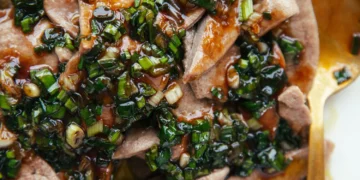
Although no recipes can be directly attributed to Johnson, Miller says she was known for a few dishes: broiled steak, cold slaw (now coleslaw), pecan cake, and deviled almonds. Because the latter was a favorite snack of First Lady Caroline Harrison, it was likely in Johnson’s kitchen repertoire. The recipe called for blanched almonds to be sautéed in butter, sprinkled with cayenne pepper and salt, and served hot.
Johnson left the White House after only a year to care for her sick daughter. But she made such an impression that the next president, Grover Cleveland, brought her back as head cook. Her time with Cleveland’s administration was short too, and “the details of her departure are unclear,” Fling writes.
Johnson went back to Kentucky, where she married Ed Dandridge, a cook for the Fleischmann family, owners of Fleischmann’s Yeast. With her White House reputation as leverage, she opened dining rooms and cafes, and returned to catering, building a business all her own in Lexington.

Three new actors have been added to the cast of Amazon's acclaimed Fallout TV adaptation, as preparations continue for the...

Mega Crit released Slay the Spire 2’s second “Major Update” last night on June 18, which takes all four of...
Summer showcases often carry a mix of expected and unexpected announcements, and Gundam Rogue Orbit was certainly the latter. Its graphical...
Despite starring a hero clad in red, it's clear that The Adventures of Elliot: The Millennium Tales is a game...
Discover Global News Panorama at news.mapworldnow.com — your universal gateway to comprehensive, international journalism. From politics and technology to culture and sports, we cover all news niches and all news categories from every corner of the world, all in one place.