- Latest
- Trending

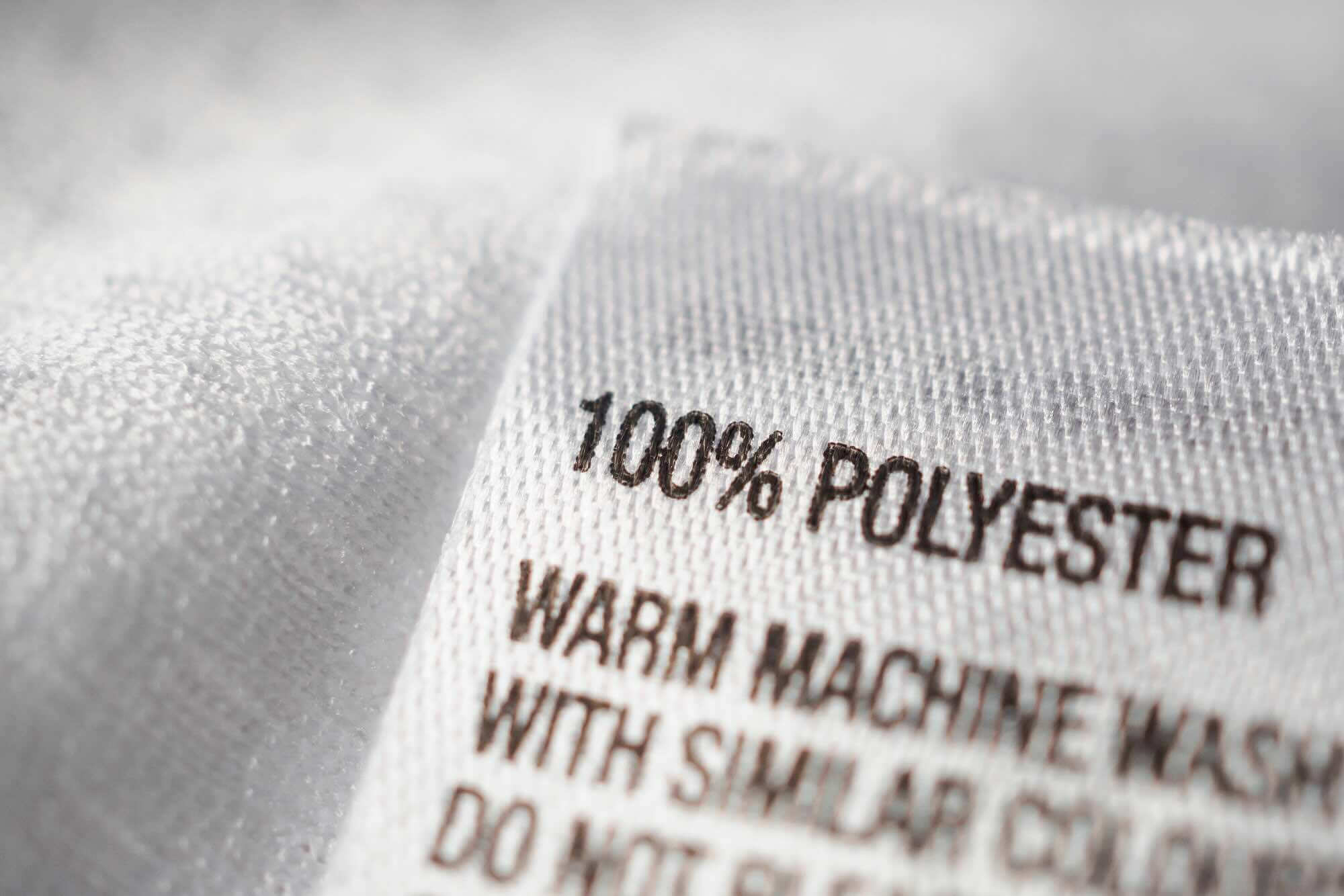

Have you ever walked through the clothes shop and discovered that one shirt with a ‘positive’ label on it stating “100% recycled”? These slogans in clothing often create an impression, to the untrained eye, of environmental sustainability. Or the catchy ad campaigns like “Nike Skims,” innovative fabrics promoting female empowerment, despite 100% of their fabrics deriving from plastics.
In this article, we’ll explore when this pivotal point of plastic change in the fashion industry occurred, from “cotton and wool” to “bottle and fuel.” Let’s dive into why and how modern clothing is made from plastic. Understanding how these fibres are produced reveals why the environmental cost of fast fashion is far greater than we may realise and why now more than ever it is important to seek sustainable alternatives.
Now in 2026, the statistic that over 60% of clothing sold by retailers is made up of plastic materials may surprise many of you. Turning back the clock just under 90 years ago, what may be even more surprising is that people lived in a plastic-free clothing world.
For most of human history, clothing was made from natural fibres like cotton, wool, silk, and linen. The turning point began when, in the late 1930s, the explosion of “Nylon hosiery” was introduced.
This seemingly innovative new synthetic fibre was created by DuPont chemist “Wallace Carothers” in 1935, where he used “coal, water, and air” to transform threads more elastic than silk. It was a revelation to the middle-class women of New York City, as it replaced their more expensive silk stockings. Nylon sparked a fashion revolution with its ease of care and low cost. By the time the 50s rolled around, Nylon was in everything – from socks, sweaters, and swimwear.

Since the invention of Nylon, a wave of synthetic fibres soon emerged into the market: acrylic, polyamide and polyester. The cheapest of the three is still polyester, with nearly 70 million barrels of oil used each year to meet the global demand for fast fashion. To understand why polyester has such a heavy environmental footprint, it helps to look at how this common fabric is produced from start to finish.
The process of polyester is as follows:
Oil > Chemicals > Melted plastic >Plastic threads > Fabric > Clothing.
The Process: Polyester usually starts as a fossil fuel called crude oil, which is taken from the earth through drilling. Oil is extracted from underground or offshore wells. It is then transported to refineries, where crude oil is converted into different petroleum products.
The Concern: Polyester is not a “fabric” in the natural sense: it is plastic made from non-renewable fossil fuels. Oil extraction contributes to habitat destruction, oil spills, and greenhouse gas emissions.
The Process: At the refinery, parts of the oil are chemically processed into building blocks used to create polyester. The key ingredients are ethylene glycol and terephthalic acid (or dimethyl terephthalate). These chemicals are combined through a high-temperature reaction called polymerisation, forming long molecular chains known as polyethene terephthalate (PET), the same plastic used in water bottles.
The Concern: This stage is energy-intensive and often powered by fossil fuels. Chemical production can release toxic byproducts and relies heavily on industrial systems that contribute to climate change.
The PET plastic is cooled and cut into small pellets called polymer chips. These chips are then dried to remove moisture, heated again to high temperatures (around 260°C), and the melted plastic becomes thick and syrup-like.
The Concern: This is essentially plastic production. From a slow fashion lens, polyester is not “fabric first”; it is plastic first.
The molten plastic is forced through a machine called a spinneret, which is similar looking to that of a shower head with the tiny holes. The melted plastic pushes through, it forms long, thin strands, they cool and solidify into fibres. These fibres are stretched to make them stronger and thinner. They may be crimped (textured) to mimic natural fibres like cotton or wool. These plastic fibres are then finally wound onto spools.
The Concern: These fibres shed microplastics during washing, which enter waterways and oceans. Unlike natural fibres, polyester does not biodegrade.
The polyester fibres are then finally spun into a plastic- made yarn, knitted or woven into fabric and then often dyed and chemically treated. The Concern: Textile dyeing is one of the most polluting stages in fashion production, as toxic wastewater is often dumped into rivers.
Looking at the production of synthetic clothing reveals the extent to which the fast-fashion company relies on fossil fuels. Still, the environmental story does not come to a close once the fabric is stitched into the outfit. The most consequential impacts of polyester clothing occur after it is added to our wardrobe collection. With every wash-and-wear amounting to the release of harmful plastic fibres into our air, water and even our bodies, forming a largely invisible, easily ignorable but growing health risk.
While polyester, nylon and acrylic clothing materials will appear wrinkle-free and lightweight on the hanger, the factory processing behind them carries a heavy carbon footprint. The production creates high temperatures, chemical reactions, and fossil fuels, making synthetic textiles one of the most emission-heavy processes in the world. Between 2023 and 2024, the yearly global fibre production increased from 125 million tonnes to 132 million tonnes, according to the Textile Exchange’s annual material report. With Polyester making up 58% of this growth at 78 million tonnes in 2024.
Despite the unrelenting campaigning and lobbying against fossil-fuel-based materials, the growth of synthetic fibre factory production and rising emissions are fundamentally two sides of the same coin. The entire factory processing and rate at which the clothes are disposed of unethically equate to 10% of the global carbon emissions, which is more than all international flights and maritime shipping combined.

If this doesn’t sway you to the sustainable side of thinking, then let’s look into the process with a microscopic lens. With 35% of microplastics released deriving from synthetic textiles, the majority of the problem occurs from within the modern home, in the weekly activity of doing our laundry. The majority of microplastics are released from the first couple of washes of synthetic clothing, but also during the general wear and tear of the low-quality items and the manufacturing process of the clothing. This results in increased microfibre shedding, which is dispersing across water, air and soil.
It can be seen as a logical solution for brands to utilise this existing waste while reducing the need for virgin plastic (crude oil) especially for clothing that requires water-resistance. Recycled plastic saves around 30% – 80% of carbon emissions in comparison to using virgin plastic. Although this recycled material still inevitably contributes to major microplastic shedding that leads back into the ocean, damaging marine life, historically, brands have recycled these existing items due the fact that in some respects it was a better solution at the time. Despite not being an optimal solution, it shifts the need for more drilling of crude oil for the current pace of clothing demand, keeps costs low for consumers, and often removes large pieces of polluting items from marine habitats making many brands utilise recycled synthetics.

This imperfect solution comes with a catch. Once these synthetic items enter the fashion supply chain, their potential to remain in a circular system is lost due to the textile properties being nearly impossible to recycle again. The technology is simply not ready, and the chemicals used often cause difficulties in the recycling process itself.
Eventually, this leads to the same place – landfill waste, therefore questioning what impact it has to buy a clothing items that state “saving the bottles from landfills” or “100% recycled” It is plausible that recycled synthetics do play their role in certain clothing industries, but for the everyday person wearing underwear, sweaters and skirts, synthetic material is certainly not needed.
Currently, synthetic factory fibre production is expected to increase from 67% to 73% by 2030. Despite these cruel statistics, we as individuals can make proactive and world-changing choices to help loosen the grip that polyester has on the garment industry. Here are some proactive solutions and alternatives that can help change the current clothing industry trajectory.

For the majority of human history, clothing has been made from natural and sustainable resources, but much of today’s clothing now derives from drilled oil and recycled bottles that do not contribute to a truly circular system. As awareness grows around the implications that synthetic clothing production has on the health of our planet and all living things, a new hope arises as more organisations are developing creative production solutions in order to create sustainable clothing materials.
These innovations remind us that change is not solely the responsibility of governments, but of individuals as well. By revisiting the origins of clothing production, we have the opportunity to reclaim and restore the sustainable use of natural fibres, weaving past wisdom into a more conscious and hopeful future
With the constant influx of fast fashion trends, spotting sustainable fibres can sometimes feel like navigating a maze, so we encourage you to learn more by exploring our other blog posts on sustainable brands to shop from and which brands to avoid so you can style yourself more consciously.

Deanna is a Scotland-based writer who’s passionate about storytelling, creative sustainability solutions, and exploring cultures around the world. She also loves watercolour painting.

Linkin Park will make history this weekend as the first female-fronted band to headline the UK's biggest rock festival, Download....

A painting of a Black man with an American flag draped over his head at the Houston Museum of African...
On “Margo’s Got Money Troubles,” Elle Fanning’s Margo paints her entire body a metallic green. Her aim? To fully embody...
NewsFeedExplosions shook southern Lebanon on Saturday as Israel continued its attacks, despite US President Trump saying a US-Iran deal will...
Discover Global News Panorama at news.mapworldnow.com — your universal gateway to comprehensive, international journalism. From politics and technology to culture and sports, we cover all news niches and all news categories from every corner of the world, all in one place.