- Latest
- Trending
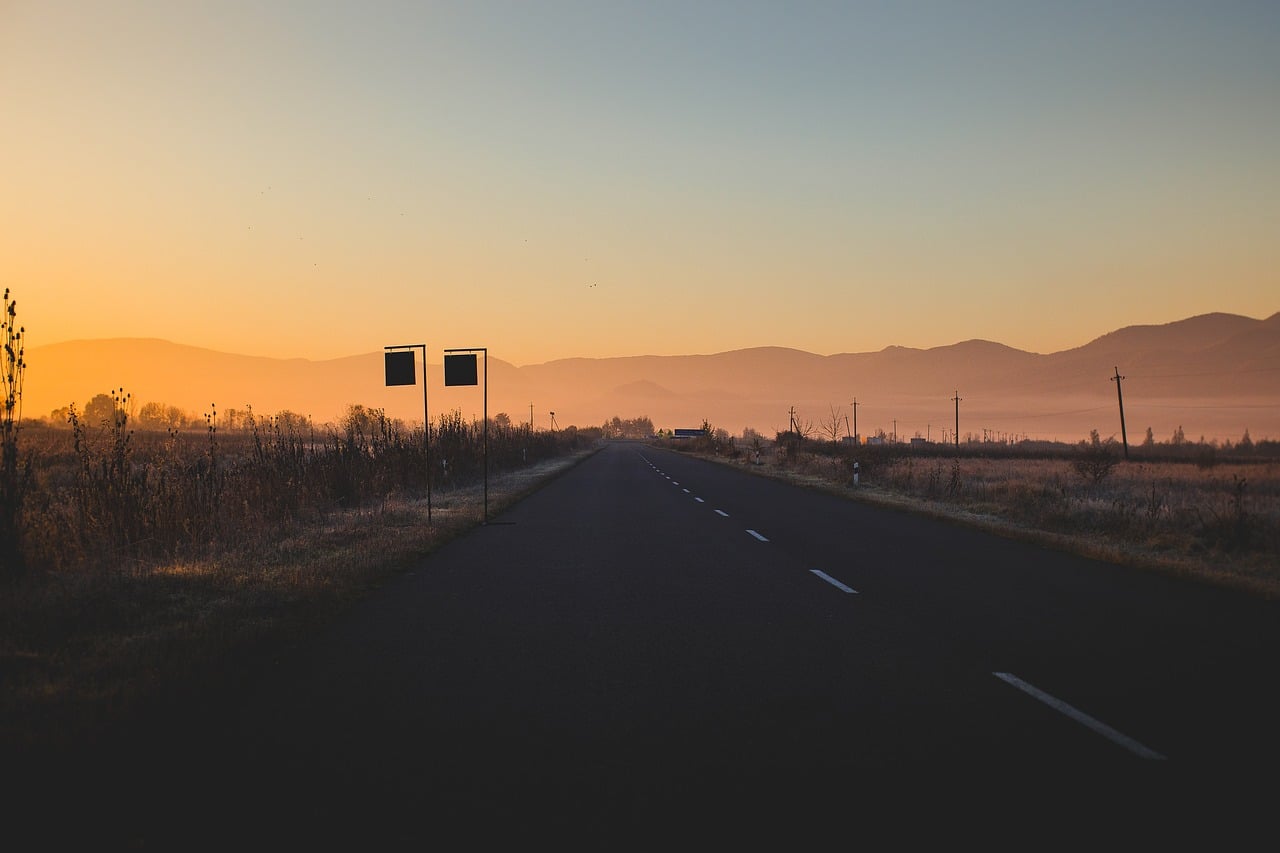
Travel, in the broadest sense, is the movement of individuals between different geographical locations. It can be conducted by foot, bicycle, automobile, train, boat, bus, airplane, or any other means of transportation, getting us from one place to another. It may involve a short trip to the local store or an international journey. It can include travel for business, leisure, adventure, or other personal reasons.
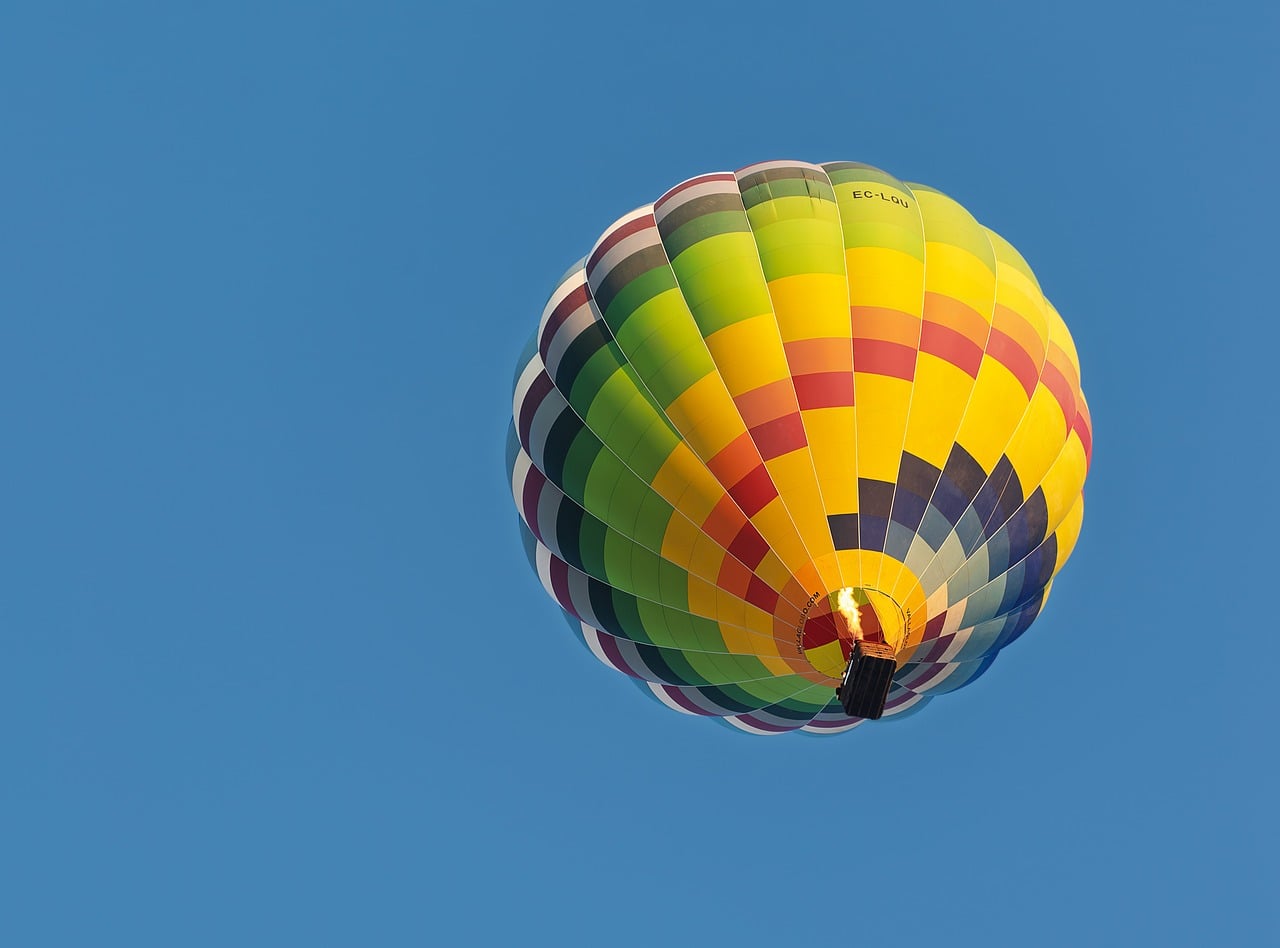
Travel opens up a world of experiences. It broadens our understanding of other cultures, helps us learn new languages, and fosters an appreciation for global cuisine. It provides opportunities for self-discovery, personal growth, and building lifelong memories. It sparks curiosity and breeds compassion, breaking down barriers and promoting global understanding.
Travel challenges us and takes us out of our comfort zones. It encourages open-mindedness, adaptability, empathy, independence, and resilience. Whenever we travel, we face situations that require us to adapt and overcome. This fosters a sense of self-confidence and personal growth, equipping us with skills like problem-solving, decision-making and intercultural competence.
Travel is a great education. It teaches us about history, geography, sociology, and economics in ways that we can never learn from reading textbooks alone. Being immersed in a culture vastly different from your own can enhance your understanding of people, places and histories in a very real and tangible manner.
Travel also plays a crucial role in the global economy. Besides creating jobs in the travel and hospitality sectors, it stimulates growth in other industries as well. From small businesses in the service industry to large airlines and hotel chains, travel impacts multiple sectors directly or indirectly. Furthermore, it generates significant tax revenues for governments around the world, which are used to fund public services.
The travel industry supports millions of jobs worldwide. It includes careers in airlines, hotels, restaurants, tour operators, travel agencies, and more. It also supports other sectors like agriculture, retail, finance, and healthcare, which supply goods and services for travelers and tourism businesses.
Travel can catalyse economic growth, particularly for developing countries that rely heavily on tourism revenues. It increases foreign direct investment, infrastructure development, income levels, and improves the balance of payments.
Travel can have significant physical and mental health benefits. From walking tours, hiking, or simply exploring a new city, travel can be an enjoyable form of exercise. Additionally, it can reduce stress, improve mental health, boost creativity, and provide a change of scenery, which can have positive effects on our health and wellbeing.
Travel offers a myriad of benefits. It provides education, promotes personal growth, stimulates economic prosperity, and promotes health and wellness. Travel allows you to experience new cultures, meet new people, try new foods, and make unforgettable memories.
In a globalised world, travel fosters understanding and empathy between cultures and nations. It breaks down barriers, dispels stereotypes, and promotes peace. Plus, on a personal level, it allows you to broaden your horizons and gain a broader perspective on life.
Travel has a positive impact on the economy by creating jobs, stimulating economic growth, increasing foreign direct investment, and generating tax revenues.
Travel can reduce stress, improve mental health, and boost creativity. It provides a change of scenery and pace, which can offer respite from daily routines and pressures.
While travel has many benefits, it can also contribute to environmental degradation, cultural erosion, and overtourism if not managed responsibly. Sustainable travel practices are key to mitigate these potential negative impacts.
In essence, travel is much more than a mere movement from one location to another. It enriches our lives on a personal level, fosters global understanding, and contributes significantly to economic prosperity. Notwithstanding the potential negative impacts, if practiced sustainably and responsibly, travel can continue to offer an array of societal, personal, and economic benefits.

Unleash Your Wanderlust: Top 10 Essential Travel Tips Introduction Travel, in the broadest sense, is the movement of individuals between...

Your Ultimate Guide to Stress-Free Globe-trotting Travel is an integral component of individual and collective evolution. A simple trip has...
Exploring Key Worldwide Issues: Your Guide to Global News Global News is a dynamic news organization that provides up-to-the-minute coverage...
Delicious Discoveries: Exploring Global Cuisines & Tastes Understanding Food Food is a subject that occupies people's minds to varying degrees,...

Discover Global News Panorama at news.mapworldnow.com — your universal gateway to comprehensive, international journalism. From politics and technology to culture and sports, we cover all news niches and all news categories from every corner of the world, all in one place.