- Latest
- Trending
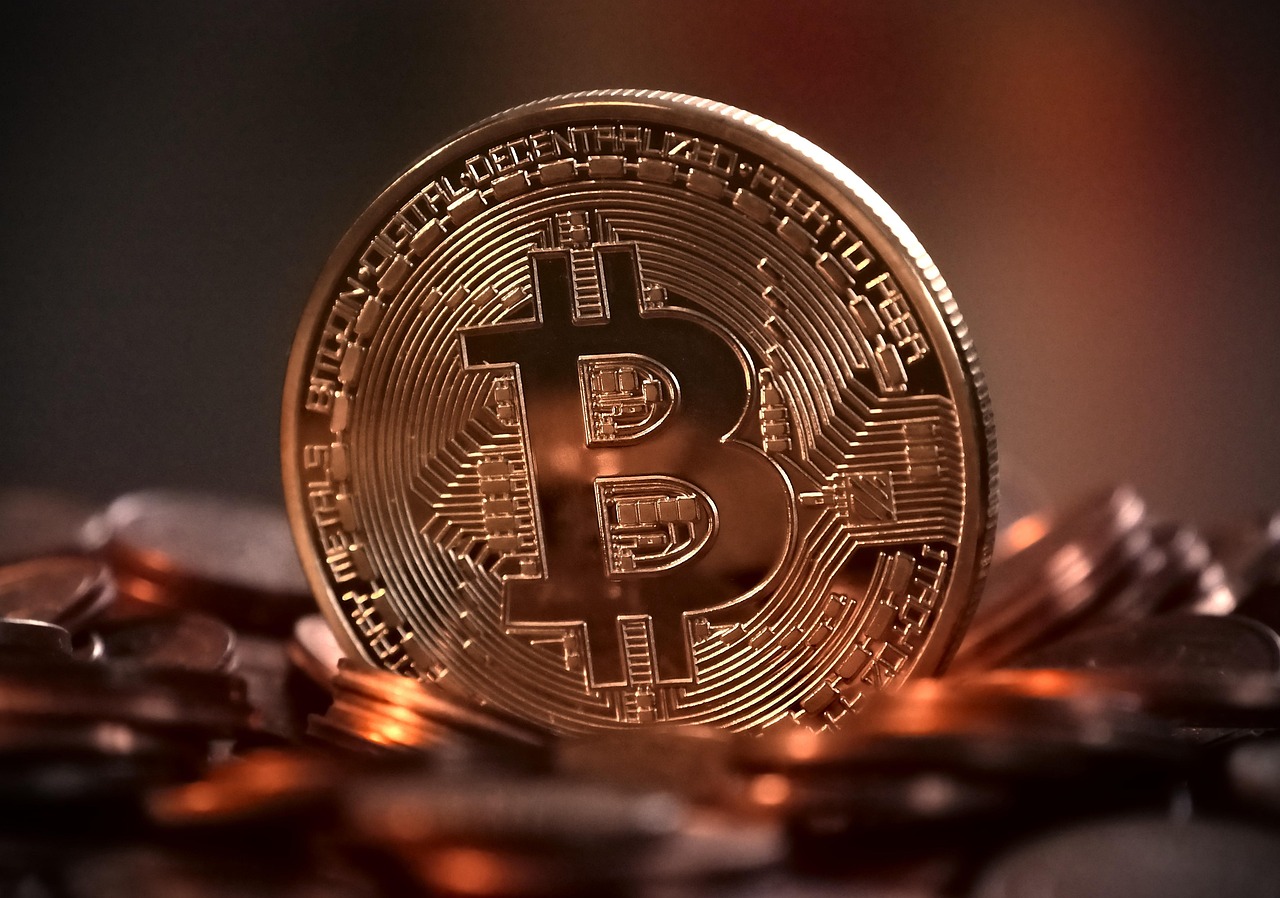
Cryptocurrency has emerged as one of the most groundbreaking modern technologies that redefines the financial industry. It is a digital or virtual currency that utilizes cryptography for security and operates independently from a central bank. Unlike traditional currencies, cryptocurrencies are decentralized and operate on a technology called blockchain, a distributed ledger that records all cryptocurrency transactions across a network of computers globally.

The advent of cryptocurrency primarily started with the creation of Bitcoin in 2009 by a mysterious individual or group known as Satoshi Nakamoto. Bitcoin set the precedent for other digital currencies, now known collectively as cryptocurrencies. Algorithms and cryptographic techniques regulate the creation of new coins, making counterfeiting virtually impossible. The system is peer-to-peer, meaning that transactions can take place between users directly, without an intermediary. These transactions and the issuance of new coins are carried out collectively by the network.
Following the market pioneering Bitcoin, various types of cryptocurrencies have been developed. The core attributes remain essentially the same, but the methodology and purpose differ. Some of the most prominent cryptocurrencies after Bitcoin include Ethereum, Ripple, Litecoin, and Binance Coin. Further, it’s vital to understand the difference between cryptocurrencies, altcoins, and tokens. Altcoins are alternatives to Bitcoin, while tokens represent assets or utilities on a specific platform.
The utility of cryptocurrency goes beyond financial transactions. It introduces new ways of raising capital for business projects through Initial Coin Offerings (ICOs) and creates prospects for establishing decentralized applications (DApps). Besides, cryptocurrencies enable “smart contracts,” self-executing contracts with the terms of the agreement written into code, bringing a new level of transparency and trust in contracts.
Cryptocurrencies also increase financial inclusivity by providing electronic payment options to those who do not have access to traditional banking services. They offer an easy and efficient way to transfer money securely and quickly across borders.
Large corporations like Microsoft, AT&T, and Shopify have begun adopting cryptocurrency as a payment method, offering more credibility to its use. Numerous digital platforms and apps now enable users to manage their cryptocurrency assets, facilitating easier trade, investment, and transaction processes.
Investing in cryptocurrency comes with its risks. Market volatility is a significant factor, as the prices of cryptocurrencies can fluctuate wildly. They are also subject to regulatory risks, as governments worldwide are still developing ways to regulate these digital assets. Additionally, the decentralized and anonymous nature of cryptocurrencies makes them an attractive option for illegal activities, leading to additional scrutiny.
In the cryptocurrency world, mining involves validating blockchain transactions which needs considerable computing power. Miners are rewarded with cryptocurrency for their work.
Cryptocurrency is stored in digital wallets. These can be hardware-based or software-based, and they can also exist on your mobile device or desktop.
The legality of Cryptocurrency varies from country to country. Some countries have expressly allowed their use and trade, while others have banned or restricted it.
Yes, you can use Cryptocurrency to buy goods and services online and at some physical stores that accept it as payment.
In some jurisdictions, the earnings obtained through trading cryptocurrencies are considered taxable income.
While the promise of cryptocurrency is undeniable, it remains a complex and rapidly evolving landscape. It requires careful research, knowledge, and understanding before investment. You should also consider your risk tolerance and financial circumstances before venturing into cryptocurrency investments.
Cryptocurrency’s future may not be entirely predictable, but it’s clear that it’s a powerful innovation that’s already having a significant impact on the global financial ecosystem. Adopting and understanding this technology may prove advantageous as we continue to advance into an increasingly digital world. These digital assets represent a new era of conducting transactions, investing in digital assets, and rethinking our entire monetary system.

Your Ultimate Guide to Stress-Free Globe-trotting Travel is an integral component of individual and collective evolution. A simple trip has...

Exploring Key Worldwide Issues: Your Guide to Global News Global News is a dynamic news organization that provides up-to-the-minute coverage...
Delicious Discoveries: Exploring Global Cuisines & Tastes Understanding Food Food is a subject that occupies people's minds to varying degrees,...
Essential Guide: 10 Tips to Navigate the Crypto World Introduction to Cryptocurrency Cryptocurrency has emerged as one of the most...

Discover Global News Panorama at news.mapworldnow.com — your universal gateway to comprehensive, international journalism. From politics and technology to culture and sports, we cover all news niches and all news categories from every corner of the world, all in one place.