- Latest
- Trending
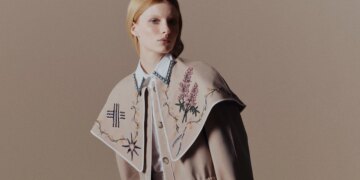
Fashion, as an industry and cultural phenomena, is as vast as it is varied. It is essentially a means by which humans express themselves. It adapts to changing social, economic, and political landscapes, mirroring and even shaping societal developments and attitudes. This fluidity allows fashion to continually evolve, fostering creativity and innovation while propagating cultural exchange.
Throughout history, fashion has reflected societal norms and disruptions, symbolising status, allegiance, rebellion or individuality. Its influence permeates various industries beyond clothing and accessories, including film, music and art. It serves as an instant visual language which people use to communicate to the world who they are and who they’d like to be.
Historically, fashion was an indicator of class and wealth. The rich and powerful dictated what was en vogue, from the aristocratic opulence of Louis XIV’s court to Queen Victoria’s austere influence in fashion. Common folk imitated as best they could with their limited means. However, the 20th century brought a sea change to this hierarchy.
Fashion democratization occurred due to two primary drivers. First, technological advancements such as the sewing machine made clothing production more efficient and affordable. Second, social change, inspired by feminist and civil rights movements, led to fashion being used as a form of protest and self-expression.
Consequently, fashion voided its centuries-old stance as a mere status symbol and took a bold new stance as a tool for political mobilization, subversion and personal identity.

Subcultures and popular music genres from the late 20th to early 21st century significantly influenced fashion trends and mainstream style. Punk, grunge, and hip hop are emblematic examples. Punks expressed dissatisfaction with mainstream society through their aggressive and disheveled manner of dress, a style that eventually entered high fashion runways.
Similarly, grunge, originating from the alternative rock music scene, inspired a carefree, unkempt fashion trend whereas hip hop brought sportswear into mainstream fashion and popularised streetwear globally. These subcultures not only brought forth an evocative visual impact but also made socio-political statements that spoke volumes about youth rebellion, disenchantment, and cultural resurgence.
Presently, fashion has begun to address its adverse environmental impact, prompted by increasing consumer demand for sustainable consumption. From fast fashion’s disposable textile culture, the industry is transitioning towards transparency, circularity, and inclusion. This shift is evident in the emergence of eco-fashion, sustainable textiles, ethical manufacturing, and conscious consumerism. Designers today are challenging themselves to create aesthetically pleasing, high-quality clothing with a minimal ecological footprint.
Fashion trends provide a collective stage for people to express self-identity and social belonging. It allows communities to interpret and participate in the world through visual dialogue.
Fashion often represents social, political, and cultural climates. It changes with societal norms, attitudes, and shifts. For instance, the suffragette movement’s adoption of specific fashion was a direct reflection of their political stance.
Sustainable fashion addresses environmental, social, and ethical aspects of clothing production and consumption. It promotes sustainable, ethical manufacturing processes while reducing the overall environmental impact of the industry.
Technology shapes fashion through advancements like digital manufacturing, e-commerce, and social media. It has made sourcing, production, distribution, and purchase of fashion items more accessible, faster, and broader-reaching.
Many argue that fashion is art applied to the body, encompassing elements of design, aesthetics, craftsmanship, and expression. However, this perspective is subjective and can vary among individuals.
At its core, fashion transcends clothing to become a prism through which we view the world and express ourselves within it. From reflecting societal norms and disrupting them, to challenging and pushing boundaries, fashion wields an immense influence over individual identities and cultural landscapes. The future of fashion lies in balancing this art of expression with the ethics and sustainability required to ensure the earth and its inhabitants continue to thrive. In its progress, resilience and rebellion, fashion asserts itself as an influential player in shaping dialogues, ideologies and lives.

Exploring Intriguing Stories: A Dive into Global News Global News serves as an essential platform with a mission to connect...

Unraveling World Events: Your Global News Digest Global News is a leading international news outlet which provides a range of...
Exploring the World: Top 5 Tips for Seamless Travel Introduction to Travel Traveling has a broad range of benefits and...
Culinary Adventures: Discovering World Cuisine at Home Food is the cornerstone of human life. It fuels our bodies, balances our...

Discover Global News Panorama at news.mapworldnow.com — your universal gateway to comprehensive, international journalism. From politics and technology to culture and sports, we cover all news niches and all news categories from every corner of the world, all in one place.