- Latest
- Trending

Politics refers to the activities involved in achieving and exercising positions of governance or leadership within an organization. It is associated with the art of decision-making among members of a group.
Politics stem from human interactions, a reflection of the inherent sociability of the human species. Political systems and philosophies, like democracy, republicanism, socialism, and communism, have shaped societies throughout history, enabling harmonious coexistence, progress, mutual cooperation, and growth.
For instance, democracy allows every individual within a society to have a voice in the decision-making process. This system is mostly associated with nations such as the United States, United Kingdom, Canada, and Australia. On the other hand, republicanism focuses on the virtue of serving the common good instead of the interests of an individual or specific group.
It’s important to note that the primary goal of politics is to promote social welfare and national development, as it provides a platform for dialogues about social, economic, and cultural policies.
Politics is typically broken down into three main branches namely, international politics, national politics, and local politics.
This refers to relations between nations, encompassing several subjects, including national security, foreign policy, diplomacy, and international treaties. International politics outlines how countries cooperate, compete, and conflict with one another.
National politics deals with political activities within a nation. It revolves around public policy, national government and administration, shaping and influencing domestic matters. Elements of national politics include the constitution, law enforcement, elections, policy-making, and implementing the government’s agenda.
Local politics refers to the affairs and administration concerning smaller units within a country. It involves decision-making at the community, city, or regional level. This branch of politics is significant because it impacts the daily lives of citizens most directly, such as town planning, legal enforcement, and local government administration.
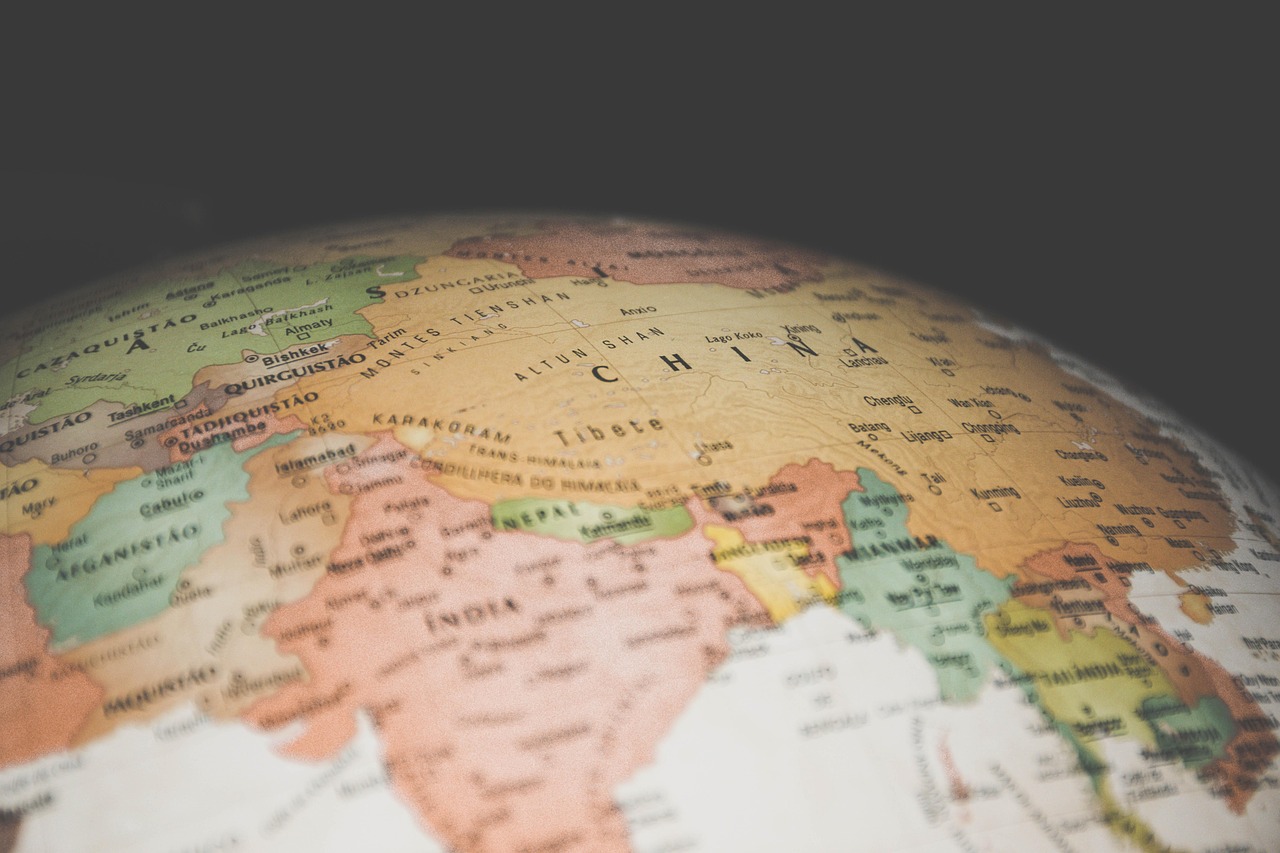
The importance of politics is undeniable, being integral to maintaining order in society and facilitating vital decisions concerning societal functioning. Some of the critical roles are:
Studying politics helps individuals understand governmental policies, processes, and the effect of these policies on the economy and society. It equips one with the knowledge to analyze political trends, and make informed decisions, especially during electoral periods.
International politics impacts a country’s foreign policies and diplomatic relations. It affects trade, national security, and economic growth. For instance, friendly international relations can result in prosperous trade agreements.
In a democracy, politics allows citizens to participate in the decision-making process, either directly or via elected representatives. It serves to uphold the principles of equality and freedom.
While politics deals with the activities and affairs of governance, political science is the systematic study of politics. It analyses political systems, behaviors, and activities, applying scientific methods.
National politics affects everyday life through policies and laws. These laws could impact various areas like education, healthcare, infrastructure, and taxation. Policy changes can directly affect personal finances, lifestyle, and safety.
It is clear that politics is a vital part of society, with implications for every individual. Understanding politics enables people to navigate their socio-political environment more effectively, make informed decisions, and contribute to societal advancement. By being knowledgeable about politics, citizens can ensure they are represented adequately and can hold governing bodies accountable. Thus, being politically aware is not just a right but a responsibility for every individual within a democratic society.

Exploring Intriguing Stories: A Dive into Global News Global News serves as an essential platform with a mission to connect...

Unraveling World Events: Your Global News Digest Global News is a leading international news outlet which provides a range of...
Exploring the World: Top 5 Tips for Seamless Travel Introduction to Travel Traveling has a broad range of benefits and...
Culinary Adventures: Discovering World Cuisine at Home Food is the cornerstone of human life. It fuels our bodies, balances our...

Discover Global News Panorama at news.mapworldnow.com — your universal gateway to comprehensive, international journalism. From politics and technology to culture and sports, we cover all news niches and all news categories from every corner of the world, all in one place.