- Latest
- Trending

Food is indispensable to human survival and goes beyond the mere satisfaction of hunger. It provides the necessary nutrients that our bodies require to function efficiently and sustain growth and development. The importance of food is highlighted not just at the biological level but also at social, cultural, and psychological levels. Food has the power to bring people together in a social setting and it forms an integral part of cultural and religious rituals worldwide.
The nutritive value of food is derived primarily from its macronutrients (carbohydrates, proteins, and fats) and micronutrients (vitamins and minerals). Carbohydrates are the main source of energy for the body. Proteins serve to repair body tissues and are vital for growth and development. Fats found in foods like nuts and oils provide concentrated energy sources. Vitamins and minerals, while required in smaller amounts, are crucial for various physiological processes within the body.
An understanding of these values is important when choosing a balanced diet. For instance, a diet rich in proteins and vitamins is necessary during rapid growth periods like childhood, while diets for the elderly should contain lower levels of fats to mitigate the risk of health-related issues.
From a nutritional perspective, foods can be classified into several major groups:
Fruits and vegetables are critical sources of vitamins, minerals, and dietary fibre. Regular consumption of these can help prevent several health issues, including heart disease and certain types of cancer.
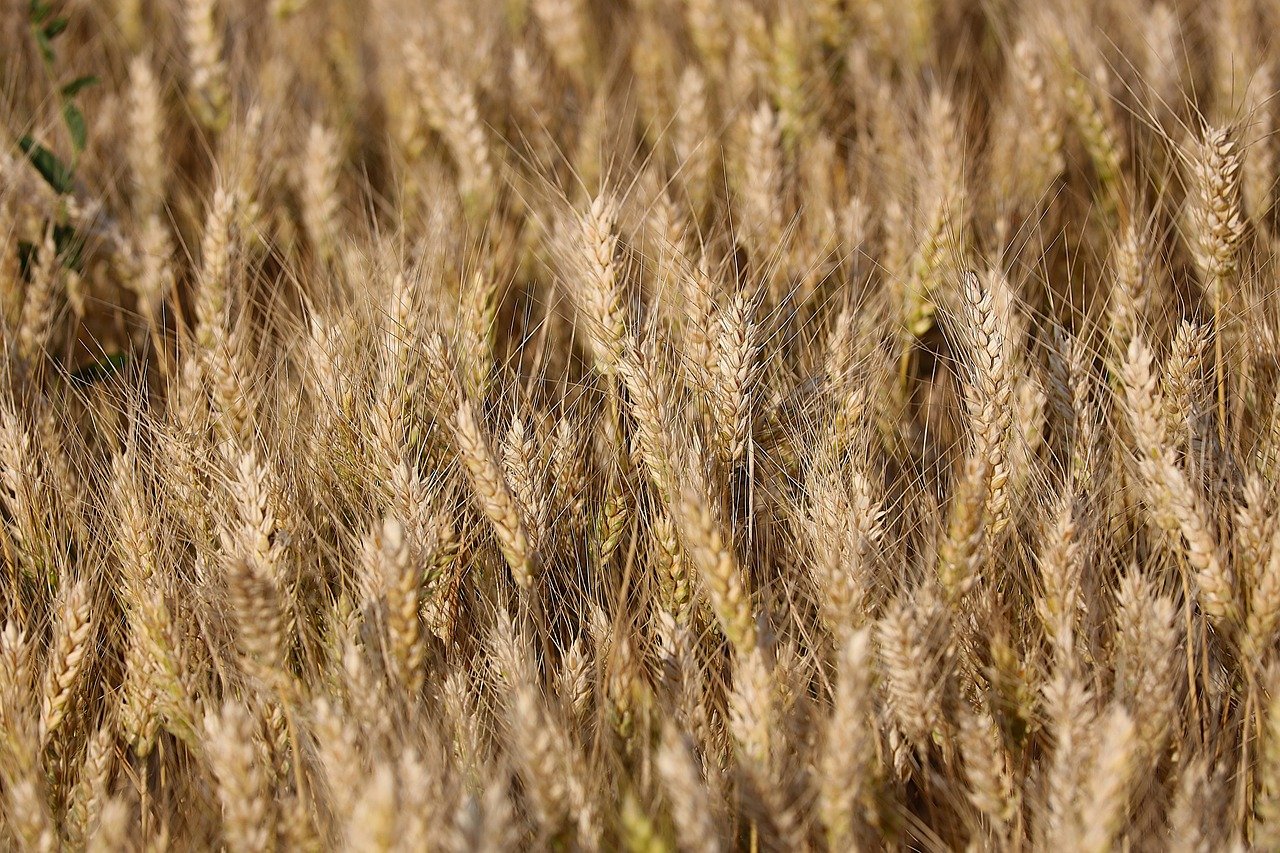
Grains are rich in carbohydrates and provide essential B-vitamins and minerals, including iron, magnesium, and selenium. Whole grains, in particular, are high in fibre that supports digestion and promotes feelings of satiety, which can aid in weight management.
Dairy products like milk, cheese, and yogurt contribute to daily protein requirements and are primary sources of calcium, thereby promoting bone health.
This group includes poultry, fish, legumes, eggs, and nuts. These foods deliver high-quality proteins, essential fatty acids, and a range of vitamins and minerals.
Understanding food safety is equally crucial. Unsafe food containing harmful bacteria, viruses, parasites, or chemical substances can cause over 200 diseases. To promote food safety, various strategies can be applied such as washing hands and surfaces often, using separate boards for raw meats and ready-to-eat foods, keeping foods at safe temperatures, and not consuming food that has gone past its expiry date.
A balanced diet delivers the right balance of nutrients your body needs to perform its essential functions. It also contributes to weight management and aids in disease prevention.
Processed foods have been physically, chemically, or biologically altered from their natural states. These include canned and frozen foods, cereals, sausage meats, and soft drinks.
Organic food is produced without the use of synthetic pesticides, petrochemical fertilizers, sewage sludge, genetically modified organisms, or ionizing radiation.
Food allergies occur when the immune system overreacts to specific proteins in food. Common food allergens include peanuts, shellfish, dairy, and eggs.
Healthy eating on a budget is achievable by various means such as planning meals and snacks, purchasing produce in season, and buying certain items in bulk.
In summary, food plays a vital role beyond just staving off hunger. It provides nutrients needed for body functions, contributes to growth and development, plays a part in social and cultural identities, and influences physical and mental health. Understanding the nutritive value and types of food alongside knowing how to eat safely and healthily can lead to improved overall well-being.

Exploring Intriguing Stories: A Dive into Global News Global News serves as an essential platform with a mission to connect...

Unraveling World Events: Your Global News Digest Global News is a leading international news outlet which provides a range of...
Exploring the World: Top 5 Tips for Seamless Travel Introduction to Travel Traveling has a broad range of benefits and...
Culinary Adventures: Discovering World Cuisine at Home Food is the cornerstone of human life. It fuels our bodies, balances our...

Discover Global News Panorama at news.mapworldnow.com — your universal gateway to comprehensive, international journalism. From politics and technology to culture and sports, we cover all news niches and all news categories from every corner of the world, all in one place.