- Latest
- Trending

Politics, derived from the ancient Greek term ‘polis’ meaning ‘city-state’, is the practice of influencing people on a civic or individual level, and more specifically refers to the conduct and administration of governmental affairs. The field of politics encompasses the dynamic complexities of human interaction, power dispersion, decision-making processes, and the strategic interplay between countries. Politics is a multi-dimensional field, featuring components such as political ideology, international relations, public administration, and political science. It seeks to address societal issues through focused discussion, negotiation, and implementation of policy.
Political participation is an integral feature of democracies, where citizens have the right to express their opinion, and to vote. This citizen participation shapes the political landscape and directional flow of policy decision-making. The various forms of political systems such as democracies, autocracies, and theocracies each carry a unique methodology of citizen participation and governance systems.
Political ideology refers to a set of ethical ideals, principles, doctrines, myths, or symbols that express a social group’s or individual’s orientation towards politics. Political ideologies are deeply embedded in societal structures, affecting decision-making processes both at an individual level and on a grander political stage. Major examples of political ideologies include liberalism, conservatism, socialism, and fascism, among others.
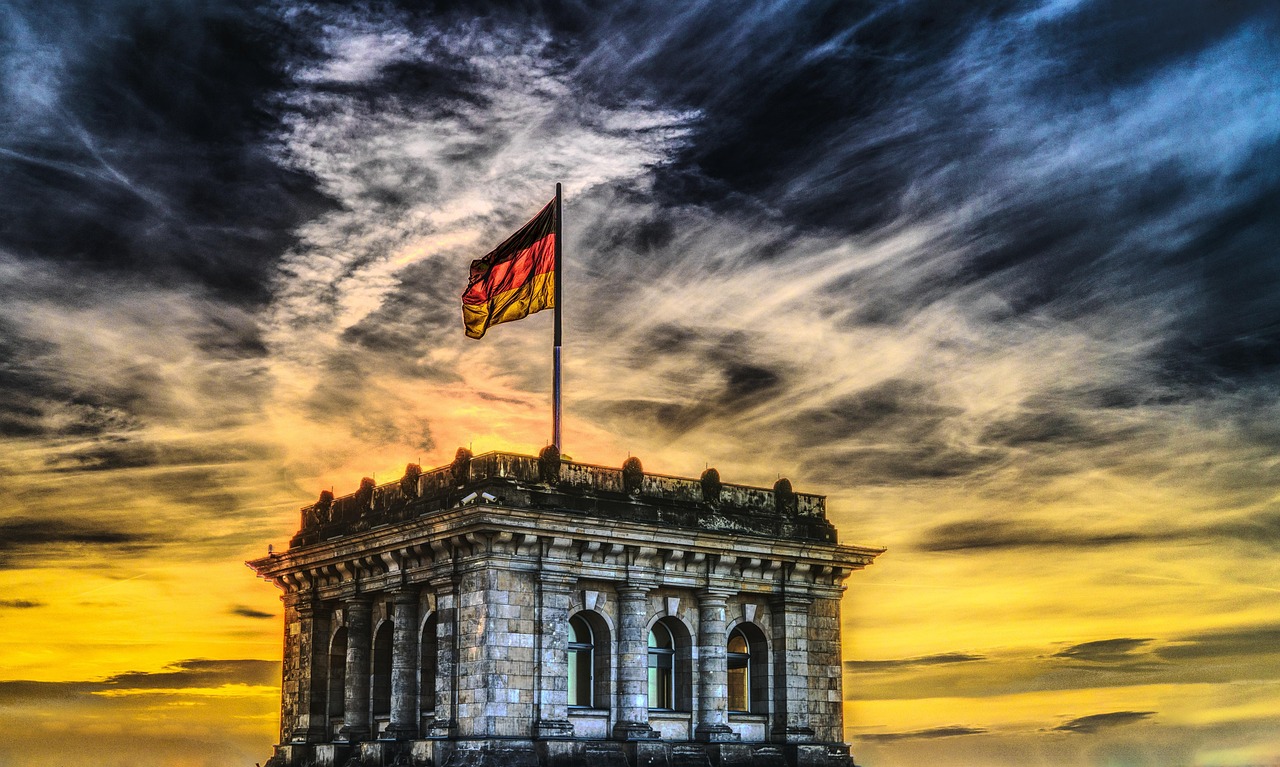
International relations constitute a significant aspect of politics. It revolves around the study of relations between countries, the roles of sovereign states, intergovernmental organizations, non-governmental organizations, and multinational corporations. The evolving dynamics of international relations can foster peace treaties, provoke wars, develop economic relations and can contribute to technological advancements. The study of international relations emerged as a distinct field after World War II, as nations aimed to prevent such a global catastrophe from recurring.
Public administration, another crucial element of politics, focuses on the implementation of government policy, public administration theory, and the behavior of public servants. It provides the administrative function in the three branches of government: legislative, judicial, and executive. The work of public administrators includes formulating public policy, implementing and administering public services, regulatory measures, local development projects, and many more.
Political science, as a discipline, studies the tasks of the politician or statesman, the governance and analysis of political activity, and political behavior. It heavily involves the analysis of political systems, theoretical and practical applications of politics, and the scrutiny of political behavior.
The overarching purpose of politics is to organize, regulate, and administer societal functions, manage resources, and address societal issues. Politics is indispensable in any social group as it stabilizes society, maintains order and enables decision-making processes.
Political ideology affects our lives in myriad ways, influencing public policy decisions, laws, and regulations. It dictates how we view societal issues, how we speak about them, and how we act in relation to them.
The branches of political science include political theory, political ideology, international relations, comparative politics, public administrations, and the study of political systems.
Politics has a broad and diverse career spectrum, including roles such as politician, political scientist, diplomat, political consultant, lobbyist, political analyst, legal practitioner, journalist, and more.
The first step is usually to educate oneself about the political landscape, current issues, and history. Then, one can get involved in a political party, campaign, or grassroots organization, engaging in discussions, debates, rallying, voting, or even running for a political office.
Politics is an expansive, intricate discipline that orchestrates the conduct of societal matters, affecting every facet of life, navigating the currents of power distribution, and decision-making. The political science discipline, international relations, public administration, and political ideology are all key components of the overall political landscape. No individual can truly isolate themselves from the effects and influence politics have on society; whether directly or indirectly, every member of society touches the realm of politics. The engagement of citizens both at local and national levels continually shape and reshape the dynamic sphere of politics. Understanding politics aids us to better comprehend the world we live in, outlining the structures that underpin society and steer the course of civilization.

Exploring Intriguing Stories: A Dive into Global News Global News serves as an essential platform with a mission to connect...

Unraveling World Events: Your Global News Digest Global News is a leading international news outlet which provides a range of...
Exploring the World: Top 5 Tips for Seamless Travel Introduction to Travel Traveling has a broad range of benefits and...
Culinary Adventures: Discovering World Cuisine at Home Food is the cornerstone of human life. It fuels our bodies, balances our...

Discover Global News Panorama at news.mapworldnow.com — your universal gateway to comprehensive, international journalism. From politics and technology to culture and sports, we cover all news niches and all news categories from every corner of the world, all in one place.