- Latest
- Trending
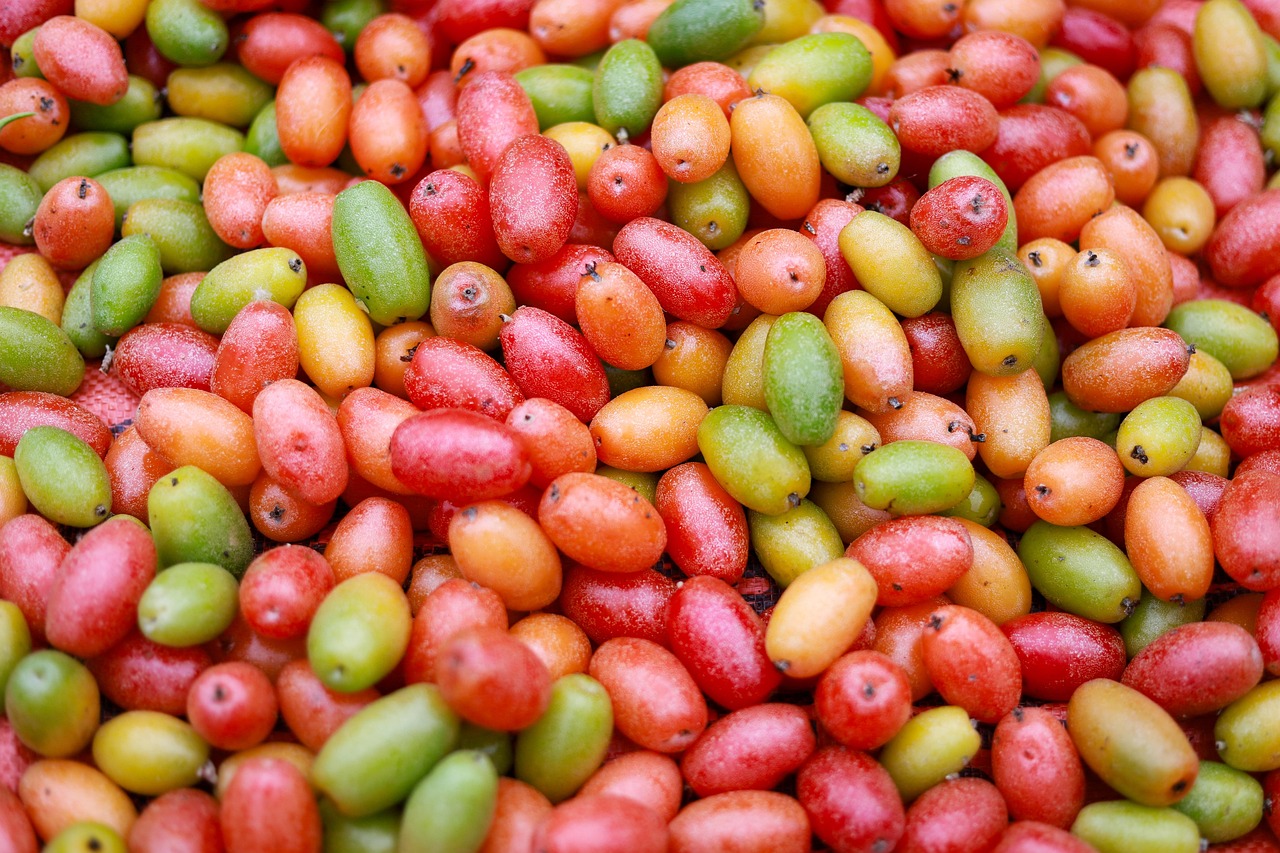
Food is a critical and intrinsic part of human existence. It offers more than just nutritional value; it is deeply intertwined with our cultural, emotional, and social aspects of life. However, the significance of food goes beyond its fundamental role as a human necessity.

One of the most fascinating perspectives of food is its universal appeal and its ability to transcend borders. Food manifests itself differently in every culture and every corner of the world. However, despite these differences, the critical role food plays in human lives remains consistent. It acts as a vital fuel source, plays a significant role in cultural practices, and plays an inherent part in social interactions.
Primarily, food serves as fuel for the human body. It provides us with the necessary nutrients and energy to maintain various bodily functions and to engage in physical and mental activities. Carbohydrates, proteins, fats, vitamins, and minerals are the five essential nutrients that constitute a balanced diet. Carbohydrates provide energy, proteins contribute to growth and repair, fats contribute to energy storage, vitamins regulate body processes, and minerals act as co-factors in biochemical reactions.
Food also has essential cultural and social implications. The cuisine of a particular region is a reflection of its local culture, traditions and history. It serves as an expression of cultural identity. Significant life events, from birth to death, are marked with distinct food practices, symbolizing the human journey. Furthermore, food is an agent of socialization. Meals often bring people together, serving as a platform for social interactions, for sharing, bonding, and connecting.
Understanding food also requires an exploration of the food supply chain. From production, processing, distribution, consumption, to waste disposal, the food supply chain is a complex series of interlinked steps.
Food production involves the cultivation of plants and the rearing of animals for food consumption. This step also includes agricultural practices and farming technologies to improve crop yield and livestock production. Processing involves transforming raw food products into consumable food items. This can include cleaning, chopping, cooking, packaging, and more.
Distribution involves the transportation of food products from the place of production to the place of consumption. This stage of the supply chain can contribute to the cost and the environmental footprint of the food. The final stage, consumption, represents the point at which the food is eaten. This also encompasses the portion control, preparation methods, and dietary patterns that can impact health.
A sustainable food system is crucial for ensuring future food security. Such a system prioritizes environmental sustainability, economic viability, and social equity. From consuming local and seasonal food to reducing food waste, adopting sustainable food practices can significantly contribute to promoting health and well-being and protecting the environment. Sustainable farming practices can not only increase farm productivity but also replenish the soil and contribute to biodiversity.
To better understand food, here are answers to some commonly asked questions:
A balanced diet consists of consuming the right amounts of various food groups, including fruits and vegetables, grains, proteins, and dairy or dairy alternatives, supplemented with a moderate amount of fats and sugars.
Food choice can be influenced by various factors, including taste preference, cost, convenience, cultural background, personal beliefs, health considerations, and environmental impact.
Consuming local and seasonal food reduces the distance food travels, reducing its carbon footprint. It also supports local farmers and contributes to the local economy.
Reducing food waste can be achieved by planning meals, buying only what is needed, properly storing foods, utilizing leftovers, and composting food scraps.
Food’s importance to human life is paramount. Its role extends beyond nutrition to include societal, cultural, and environmental significance. A deeper understanding of food, its journey from production to plate, and its impact on health and the environment is vital. As conscious consumers, embracing sustainable food habits can contribute to healthier lives and a healthier planet.

Bill Gates said Wednesday that he made a “grave error in judgment” by meeting with Jeffrey Epstein but denied any wrongdoing as...

Gold now accounts for 27 percent of global reserve holdings, overtaking US Treasuries as the world’s largest reserve asset.For decades,...
A New York City health inspector charged with checking restaurants’ compliance with the city’s vaccination mandate was denied entrance to...
The 2026 World Cup kicks off today in Mexico City, but for some, FIFA matches carry painful memories. FRANCE 24...

Discover Global News Panorama at news.mapworldnow.com — your universal gateway to comprehensive, international journalism. From politics and technology to culture and sports, we cover all news niches and all news categories from every corner of the world, all in one place.