- Latest
- Trending

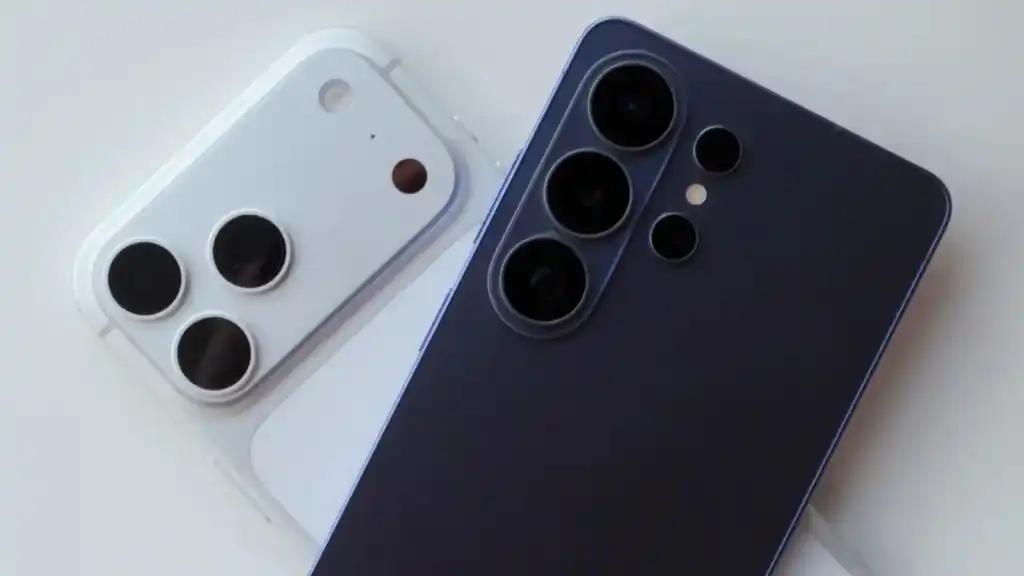
I don’t know if I’m the only one who feels this way, but flagship smartphones just don’t excite me anymore.
The main reason is that hardware innovation has slowed to a crawl, at least in the phones most of us will actually end up buying. Whether it’s Samsung Galaxy, Google Pixel or Apple’s iPhone, every launch feels increasingly predictable.
That’s not to say these companies aren’t improving their phones. Every year brings a faster chip, a brighter display, and some software tweaks. But if you pay attention to the marketing, almost everything revolves around one thing – the camera.
Samsung talks about its 200Mp sensor and zoom capabilities. Apple showcases cinematic videos and portrait shots. Brands like Oppo, Vivo, and Xiaomi do the same, although I’d argue they’re at least experimenting with more interesting hardware than the mainstream players.
The problem is that it feels like the industry has become obsessed with photography while other parts of the smartphone experience receive far less attention. Better battery technology, faster charging, stronger connectivity, thermal management, repairability, and durability are all areas where meaningful improvements would make a bigger difference to everyday use.
Yet year after year, the spotlight remains fixed on camera upgrades. I’m not convinced that’s the direction smartphones should be heading.
I don’t think flagship smartphones need better cameras anymore.
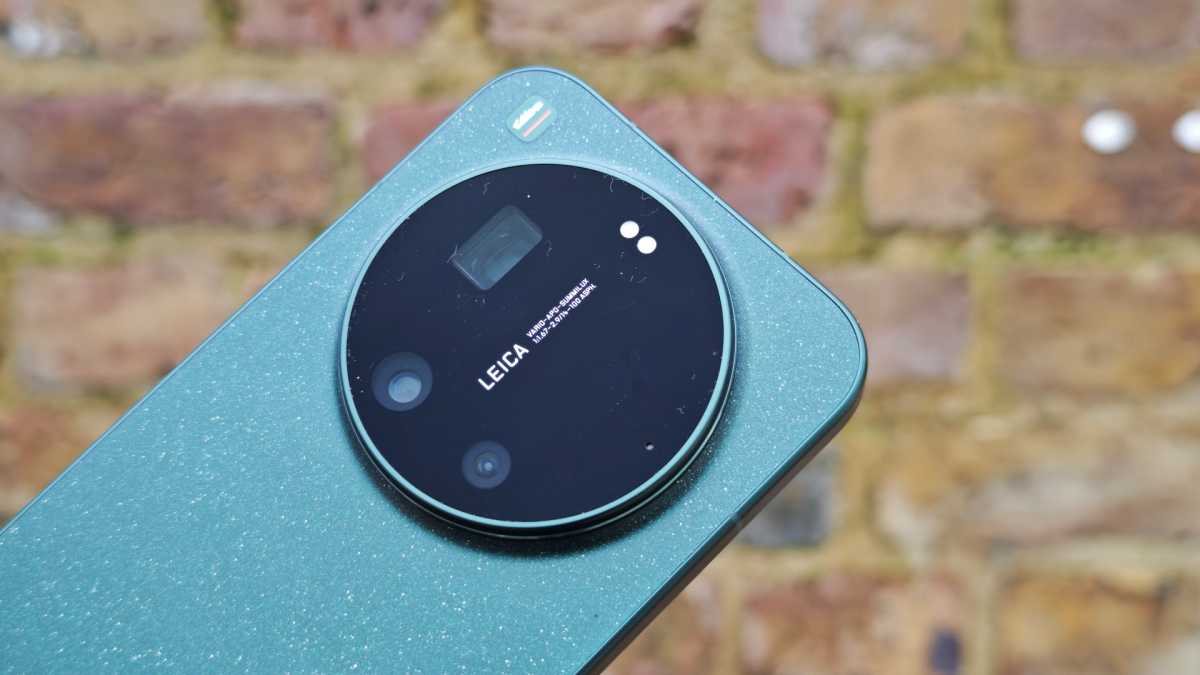
Look at what’s available today. Whether you pick up an iPhone 17, a Samsung Galaxy S26, a Google Pixel 10, a Vivo X300 Ultra, a Xiaomi 17, or an Oppo Find X9, you’re getting a camera system that would have been unimaginable five years ago. These phones shoot excellent photos in daylight, handle low light surprisingly well, record cinematic-looking videos, and can zoom far beyond what most people actually need.
Chris Martin / Foundy
The problem is that smartphone cameras have become victims of their own success. Every year, brands arrive with bigger sensors, more megapixels, longer zoom ranges, and new partnerships with camera companies. Samsung talks about its 200Mp sensor. Xiaomi talks about Leica. Vivo talks about Zeiss. Oppo talks about Hasselblad. Apple talks about professional-grade photography and filmmaking.
…smartphone cameras have become victims of their own success
And yet, if you handed most people photos from any of these phones without telling them which device took them, I doubt they’d consistently pick a winner. That’s because we’ve reached a point of diminishing returns.
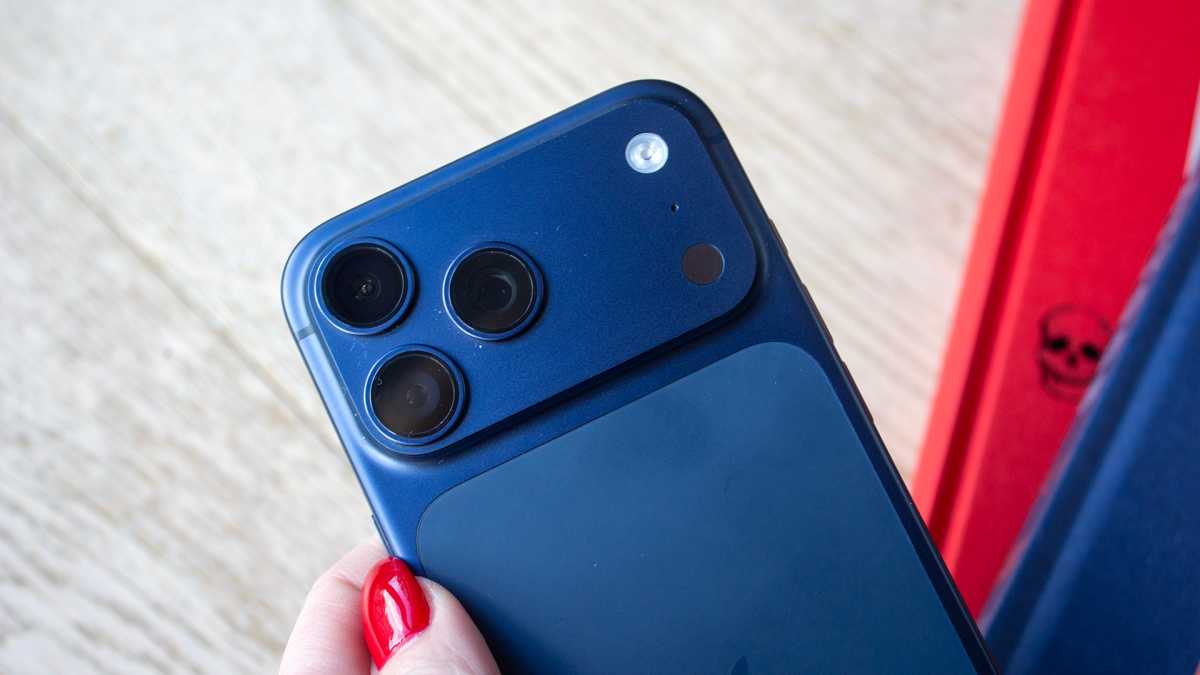
The difference between a flagship camera in 2026 and one from 2023 is nowhere near as dramatic as the difference between a flagship camera in 2020 and one from 2017. Most of the big problems have already been solved. Dynamic range is excellent. Night photography is excellent. Video quality is excellent. Portrait mode is good enough. Zoom cameras are good enough.
Britta O’Boyle
The industry keeps acting as though smartphone photography still has massive unsolved problems, but for most people, it really doesn’t.
What makes this even stranger is that cameras have become the defining feature of almost every flagship phone on the market. The larger camera bump, the additional weight, the higher price, and a significant portion of the marketing budget all exist to support improvements that many people will barely notice in day-to-day use.
While the camera department keeps seeing upgrades, the areas that actually need attention are ignored.
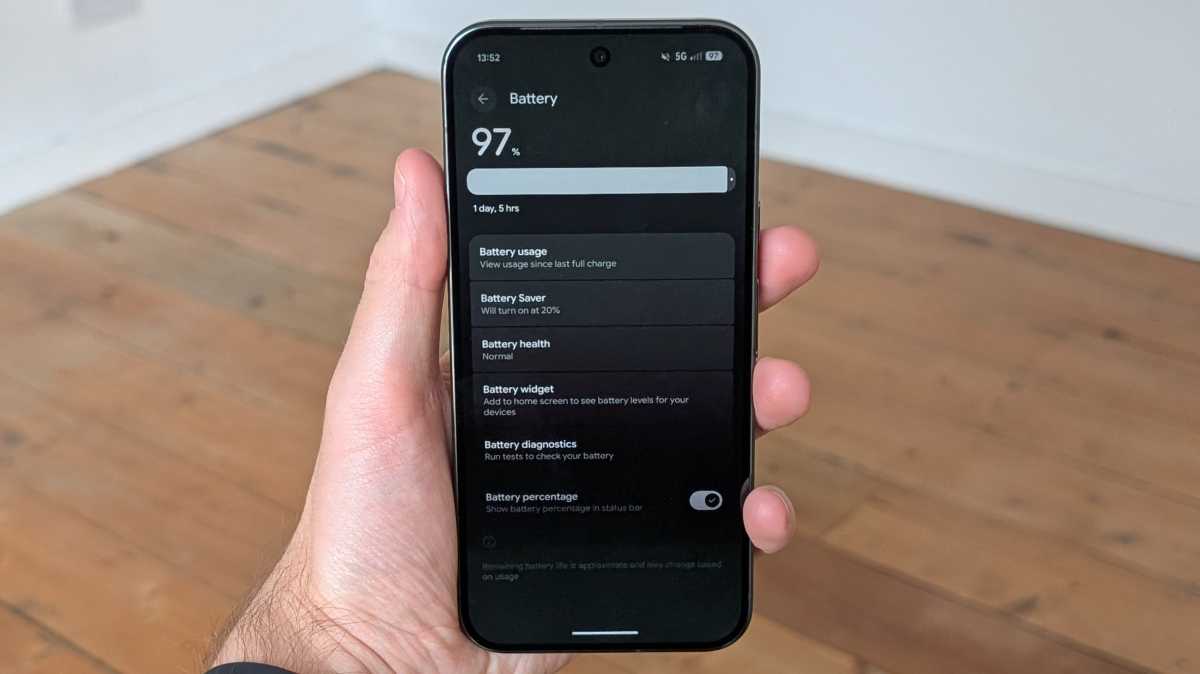
When it comes to charging, Apple is still in the “up to 50% in around 30 minutes” camp on the iPhone 17, with MagSafe topping out at 25W and Qi at 7.5W.
Samsung is not much more aggressive either, with the Galaxy S26 Ultra stubbornly stuck at 5000mAh and charging speeds depending on the adapter you use – which isn’t in the box, of course. The Pixel 10 Pro XL can hit 45W, but only if you have a compatible charger.
Anyron Copeman / Foundry
That is why the Chinese flagships stand out. The Xiaomi 17 Ultra brings a 6000mAh battery with 90W wired charging and 50W wireless charging. Oppo’s Find X9 series is in a similar place with 80W wired charging and large batteries, Vivo X300 Ultra supports up to 100W charging with a 6600 mAh battery, and the OnePlus 15 goes all the way to an incredible 120W charging on its mammoth 7300mAh battery.
And this is where the real frustration kicks in. A better camera does nothing for a phone that takes too long to charge, loses signal in bad coverage, or feels unreliable when you are out all day. Even Samsung’s own fine print says actual battery life varies by network environment, which is exactly the point. Reception and battery life are not sexy spec-sheet talking points, but they decide how dependable a phone feels in real life.
Reception and battery life are not sexy spec-sheet talking points, but they decide how dependable a phone feels in real life
I don’t think the industry has a camera problem. I think it has a priority problem. Brands keep acting like one more imaging upgrade will change everything, when a lot of people would get more value from faster charging, better battery life, stronger connectivity, and fewer compromises in day-to-day use.

Hiiii! Happy Friday! What do you have going on this weekend? We’re back from an INCREDIBLE trip to Korea and...

I don’t know if I’m the only one who feels this way, but flagship smartphones just don’t excite me anymore....
Discover what’s possible with Gemini 3.5. We launched our latest family of models combining frontier intelligence with action. With powerful...
Earlier this year, the leaders of the world’s largest stock indexes found themselves in a pickle.SpaceX, Elon Musk’s rocket maker,...
Discover Global News Panorama at news.mapworldnow.com — your universal gateway to comprehensive, international journalism. From politics and technology to culture and sports, we cover all news niches and all news categories from every corner of the world, all in one place.