- Latest
- Trending

Traveling has a broad range of benefits and reasons. Today, it’s no longer just an activity reserved for the affluent or intrepid adventurers; it’s accessible to everyone, regardless of age, background, or income. A transformative experience that broadens our horizons, travel offers an opportunity to discover new cultures, places, and traditions, giving us a deeper understanding of the world around us.
With the advent of modern transportation and communication technology, exploring foreign locales has become simpler and more feasible. This technology allows us to journey to once remote corners of the globe and connect with others irrespective of geographical boundaries. These advancements have truly globalized travel, making our world more interconnected and multifaceted.
Travel has numerous benefits, both tangible and intangible. In a professional context, traveling can create opportunities for global trade and business, serving as a bridge between disparate economies and cultures. Business and work-related travel are vital for many corporations that operate beyond national borders.
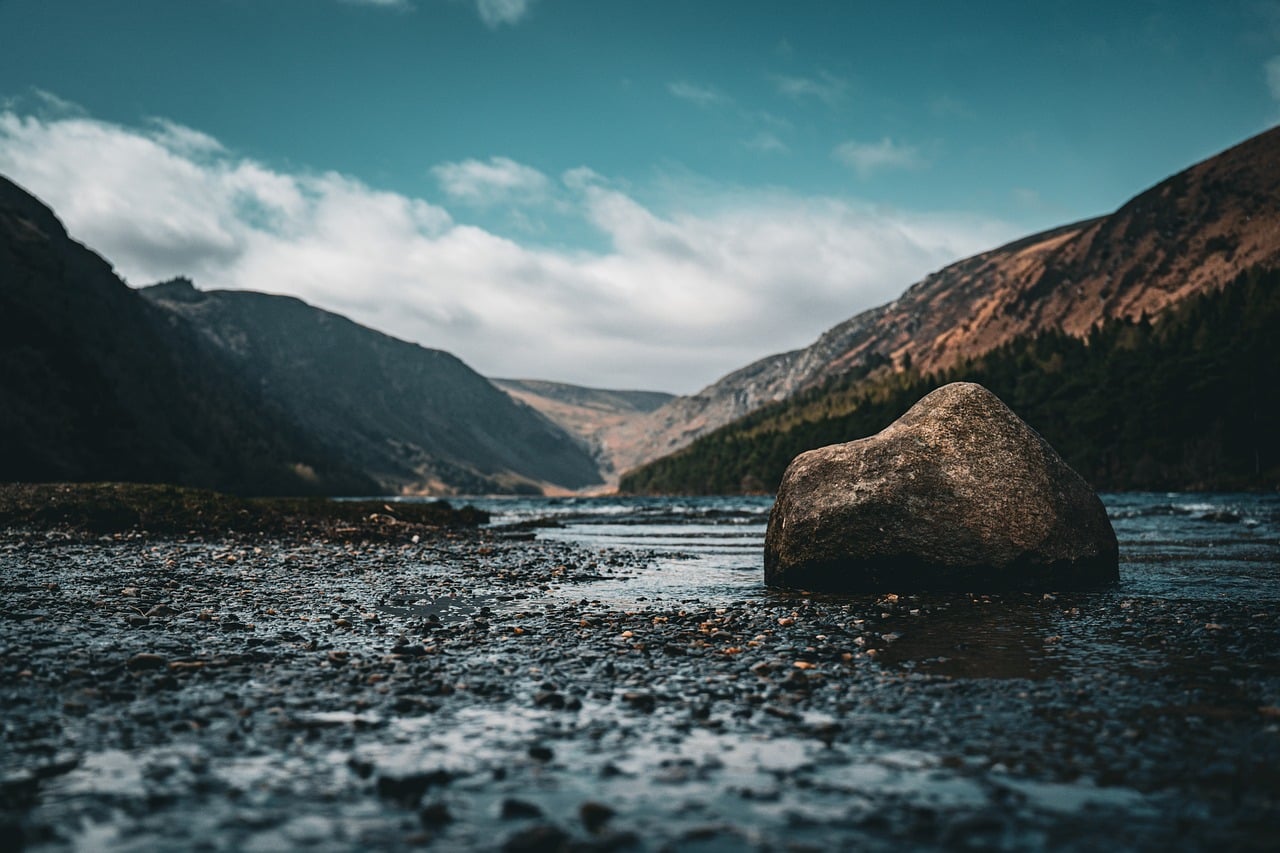
On a personal level, travel fosters personal growth by enhancing our understanding and appreciation of diverse cultures and lifestyles. It helps us break out of our comfort zone, nurturing our adaptability, independence, patience, and problem-solving skills. It provides a unique educational experience, teaching us invaluable lessons that are seldom learned within the confines of a classroom.
As a form of leisure, travel allows us to unwind from our everyday routine, reducing stress, and promoting mental well-being. The tantalizing joy of exploring a new place, savoring exotic cuisine, and experiencing new adventures helps stave off burnout and generate fresh perspectives. Our mental health greatly benefits from such a change of scenery and pace.
Despite its numerous benefits, travel also carries considerations that travelers must acknowledge. One such concern relates to environmental sustainability. Our travel choices, particularly modes of transportation, significantly impact the planet. For instance, air travel, while fast and efficient, releases large amounts of greenhouse gases.
However, this does not mean we should relinquish travel altogether. Rather, it compels us towards responsible travel—choosing direct flights, opting for public transportation or walking where possible, and selecting accommodations committed to sustainable practices. In this way, we can reduce our carbon footprint while still quenching our thirst for exploration.
Travel also plays a crucial role in supporting local economies. Tourist spending helps stimulate economic growth and job creation. However, it’s essential to ensure that our tourist dollar supports the local community directly and doesn’t degrade the cultural heritage or ecological biodiversity of the destination.
Yes, travel insurance is essential. It guards against unforeseen circumstances like medical emergencies, trip cancellation, or lost baggage. It provides peace of mind, ensuring you’re covered should any issues arise while you’re away from home.
There are several ways to travel sustainably. Opt for direct flights to minimize carbon emissions, use public transport where possible, and choose accommodations that prioritize environmental practices. Additionally, eat at local restaurants and shop at local markets to support the local economy.
Research is key to ensuring safety while traveling. Learn about your destination before you arrive—know the customs, the local laws, and any potential safety concerns. Keep your belongings secure, avoid risky areas, especially at night, and always have the contact information of your country’s embassy or consulate.
Having travel insurance will greatly ease this situation. The coverage usually includes medical emergencies and will coordinate transportation, treatments, and other necessary services. Moreover, it’s important to carry any prescribed medication with you and have the necessary vaccinations for your travel destination.
Culture shock is natural when experiencing unfamiliar cultures or lifestyles. The best strategy is to stay open-minded and respectful, learn as much as you can about the culture, and communicate effectively and thoughtfully with locals.
Travel is an enriching and enlightening experience that can significantly improve our understanding of the world. It offers numerous benefits—from personal growth to economic development—but also carries responsibilities towards environmental sustainability and respect for local cultures and economies. As conscious, responsible travelers, we ensure not only fulfilling experiences for ourselves but also a positive impact on the destinations we visit.
So as we move forward and embrace the many opportunities travel presents, let’s do so with mindfulness and respect, ensuring that our journeys contribute positively to a sustainable and interconnected world.

Exploring Intriguing Stories: A Dive into Global News Global News serves as an essential platform with a mission to connect...

Unraveling World Events: Your Global News Digest Global News is a leading international news outlet which provides a range of...
Exploring the World: Top 5 Tips for Seamless Travel Introduction to Travel Traveling has a broad range of benefits and...
Culinary Adventures: Discovering World Cuisine at Home Food is the cornerstone of human life. It fuels our bodies, balances our...

Discover Global News Panorama at news.mapworldnow.com — your universal gateway to comprehensive, international journalism. From politics and technology to culture and sports, we cover all news niches and all news categories from every corner of the world, all in one place.