- Latest
- Trending
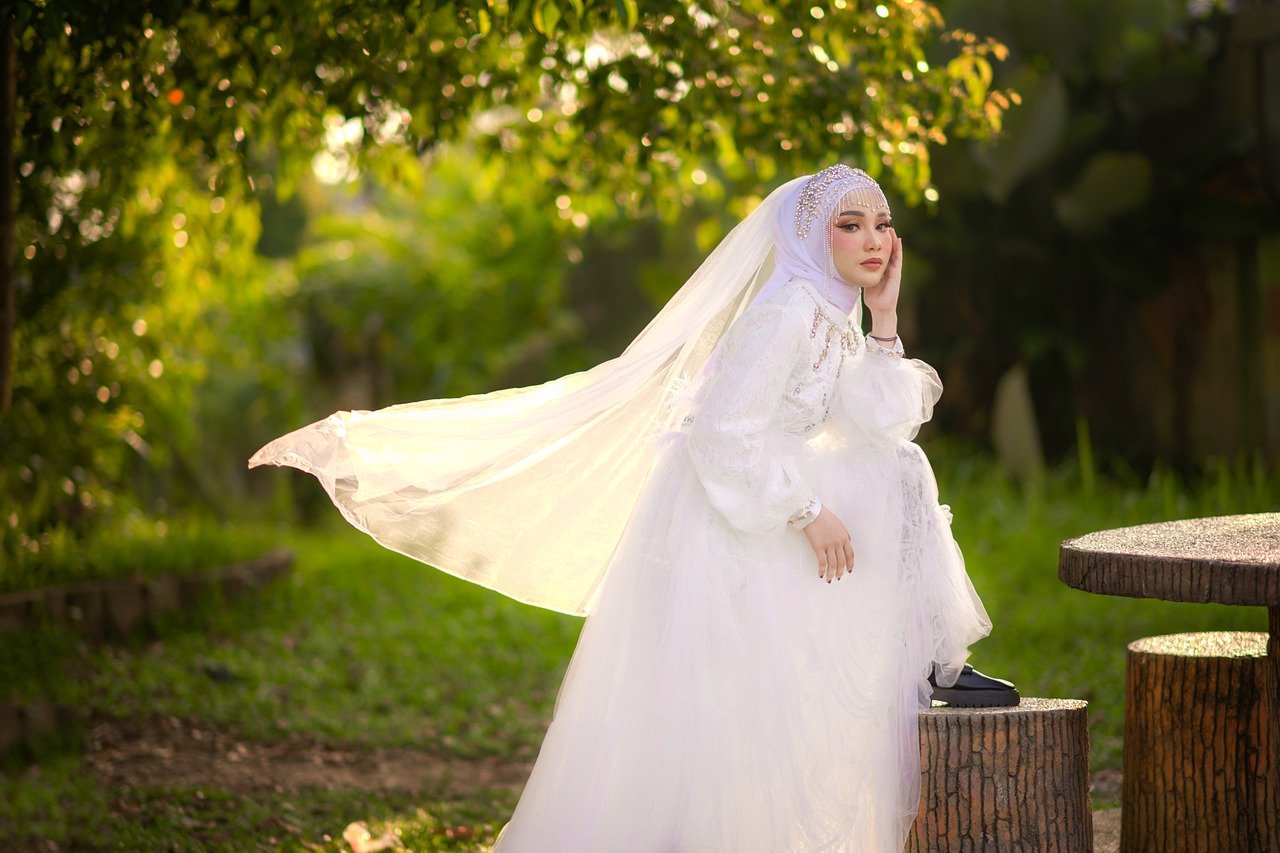
Fashion, an inherently individualistic form of expression, has emerged as an instrument of communication, demonstrating personal identities and cultural affiliations. It has a significant bearing on society and its consumption patterns, therefore playing an instrumental role in the global economy. With its dynamic nature and extensive influence, understanding fashion becomes essential.
The fashion industry, an intensely creative sector, merges together a multitude of professions. It is a labyrinth of activities spanning textile and design creation to retail merchandise. One element of this production chain is the stylist – a key player in determining trends, shaping perceptions, and influencing popular choices.
Designers conceive fashion by combining art and functionality, radiating originality and novel trends. A designer’s work, indeed, is a synthesis of creativity, craftsmanship, and market understanding. One such remarkable blend could be a well-tailored suit, cleverly infusing intricate craft with modern aesthetics. On other occasions, a bespoke evening dress sublimely melds a sense of elegance with a contemporary design.

The marketing teams and sales staff, besides the designers, play their roles in enhancing fashion visibility. They bring into play strategies like events, runway shows, and high-profile collaborations, fueling the desire for new fashion outfits, and triggering purchases.
Fashion, observed extensively through history, reveals societal constructs and cultural transformations. The swinging ’60s miniskirts, for instance, symbolized women’s liberation movements, whereas denim jeans in the ’70s epitomized rebellious youths challenging the status quo.
The onset of digitization and social media in the 21st century has revolutionized the fashion world. It has made fashion universally accessible and significantly influenced consumer shopping behaviors. Young fashionistas not only follow global trends but also contribute significantly to creating trends, demonstrating fashion’s significant shift from being a top-down dictation to a more democratic model.
The increasing awareness among consumers about social responsibility and environmental footprint has expounded the concept of sustainability in fashion. Slow fashion, an advocate for high-quality and long-lasting garments, challenges the conventional fast-fashion model. Sustainability in fashion requires all stakeholders – from textile producers to consumers – to rethink their actions and make conscientious choices.
Fashion is a zeitgeist encapsulation that combines individual expression, creativity, and market trends into a wearable art form. It is both a personal and communal narrative, becoming an instrumental part of the cultural fabric.
Besides being a style dictation, fashion serves as a mirror of societal changes and cultural shifts. It communicates identities and personal beliefs and simultaneously depicts historical epochs and emerging societal movements.
Sustainability, an urgent need in the fashion industry, calls for environmentally friendly practices. It advocates for slow fashion, favoring quality and longevity over instant gratification of mass-produced clothes.
The digital realm has greatly influenced the fashion industry. From online shopping and virtual fitting rooms to AI-driven recommendations, the industry is embracing changes, acknowledging the ubiquity of digital culture.
Fashion trends, typically set by designers, celebrities, and influencers, are a fusion of numerous elements such as socio-political events, economic indicators, and technological advancements, along with individual creativity.
Fashion, more than a mere compilation of textile and design, is an outward reflection of inner self, a powerful tool that goes beyond mere aesthetics. The fashion industry, embracing digital disruption and sustainability, continues to evolve, while constantly reshaping societal norms and individual identities. Its multifaceted character, coupled with its ability to simultaneously influence and mirror society, consolidates fashion’s role as an indispensable facet of human culture.
In all its complexities and implications, fashion stands firm as a testament to human creativity and a catalyst for change. Ensuring that its impact is both positive and sustainable is a shared responsibility – making fashion a collective effort that touches every aspect of human lives. Truly, fashion is not just about dresses and runways; it is about stories, culture, and the vast human canvas.

Summary In “The Sleepless Ape: The Story of Sleep in Human Evolution," anthropologist David Samson reveals how human sleep patterns...

By Lauren Schmeal, Editor, Fluid Power Journal Automate 2026, scheduled for June 22-25, 2026, at McCormick Place in Chicago, Illinois,...
Thousands of men with prostate cancer are to be offered high-powered ‘precision’ radiotherapy on the NHS to target the disease...

Discover Global News Panorama at news.mapworldnow.com — your universal gateway to comprehensive, international journalism. From politics and technology to culture and sports, we cover all news niches and all news categories from every corner of the world, all in one place.