- Latest
- Trending


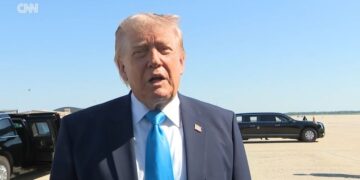
Oil prices fell and stocks rose on Monday after the United States and Iran reached an agreement that President Trump said would reopen the Strait of Hormuz.
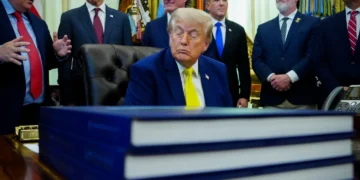
Mr. Trump’s social media post capped weeks of fraught negotiations between the countries that, at times, seemed to make little progress. A key mediator in the peace talks, Pakistan’s prime minister, said the agreement covered Lebanon and that a signing ceremony was scheduled for Friday in Switzerland.
The specifics of the agreement remained unclear, but restoring shipping through the strait, the strategic passageway that functions as the primary artery for oil and natural gas from the Middle East, has been among Mr. Trump’s top priorities.
“I hereby fully authorize the toll-free opening of the Strait of Hormuz, and, simultaneously herewith, authorize the immediate removal of the United States Naval blockade,” Mr. Trump posted online. “Ships of the World, start your engines. Let the oil flow!”
The removal of the U.S. blockade — which was intended to stop the flow of Iranian oil — is just one piece of restoring shipping through the narrow waterway on Iran’s southern coast. Iran would also need to relinquish its control over ship traffic. The country’s deputy foreign minister, who confirmed the deal, said Iran’s commitments under the accord would begin on Friday.
The “key question” question about the U.S.-Iran agreement is whether it succeeds in restoring energy flows through the strait, Neil Shearing, the group chief economist at Capital Economics, wrote in a research note. “The past couple of weeks has brought mounting evidence that higher energy prices are pushing up inflation and weighing on economic activity,” he noted.
It will take some time to get oil production and refining facilities up and running, he added. A deal “will not prevent inflation from rising a bit further,” he wrote, but it means the global economy will probably avoid a recession.
Farnaz Fassihi contributed reporting.

Bitcoin (BTC) starts the third week of June with a spring in its step as the US-Iran peace deal sends...

Bitbank, one of Japan’s largest cryptocurrency exchanges, warned users that transactions linked to prediction market platforms such as Polymarket could...
Table of Contents England’s Test captain and star all-rounder Ben Stokes is once again making headlines because of his off-field...
NEWYou can now listen to Fox News articles! Toronto Tempo forward Isabelle Harrison pulled out a move on Atlanta Dream...
Discover Global News Panorama at news.mapworldnow.com — your universal gateway to comprehensive, international journalism. From politics and technology to culture and sports, we cover all news niches and all news categories from every corner of the world, all in one place.