- Latest
- Trending

Food, fundamentally, represents sustenance and survival. Beyond these rationales, however, food encompasses multiple dimensions that cut across cultures, traditions, artistry, and science. It operates as an eloquent language that narrates the chronicles of human evolution, cultural diversity, and technological advancement. Understanding food in its various dimensions can enlighten minds about a plethora of subjects from history and geography, to sociology and culinary arts.
To any culture, food is a proud representative of its history, traditions, and lifestyle. The culinary practices prevalent in a society, the signature recipes, indigenous ingredients, and particular ways of serving and consumption, all convey the cultural ethos of a particular region.
For example, Japanese cuisine, distinguished by its precision in preparation and presentation, embodies the virtues of discipline and balance that are key principles of Japanese philosophy. The emphasis on using fresh seasonal ingredients speaks of their close alignment with nature. The subtlety of flavors, minimalist presentation, and the meticulous precision in techniques mirror the larger cultural ethos of this Asian civilization.
On the other hand, the vibrant cuisine of Mexico, with its bold flavors and vibrant colors, represents the vivacious spirit of their culture and history. The use of large varieties of chilli peppers signifies the importance of spice in their food and culture.
Religion also holds significant sway over food habits. Hinduism’s spiritual doctrine advocating non-violence led to a prevalence of vegetarianism in many parts of India.
Therefore, the study of food extends beyond the study of ingredients and cooking. It is also reflective of political, geographical, and economic realities.
Food, when viewed from the lens of science, unfurls a new dimension in its understanding. It is a complex mix of macro-nutrients like proteins, fats, carbohydrates, and micro-nutrients like vitamins and minerals. Optimizing this mix to suit an individual’s physiological requirements has resulted in the progression of a new science called ‘Nutrition.’
Different foods interact with our bodies differently; some could be beneficial for heart health (like omega-3 fats), while others can improve digestion (like dietary fibers). Unlocking the science behind these ingredients and their impact on human physiology can lead to better disease prevention and health management.
A rising focus on organic farming, non-GMO products, veganism, sustainability, and ethical practices, also encompass the scientific dimension of food.
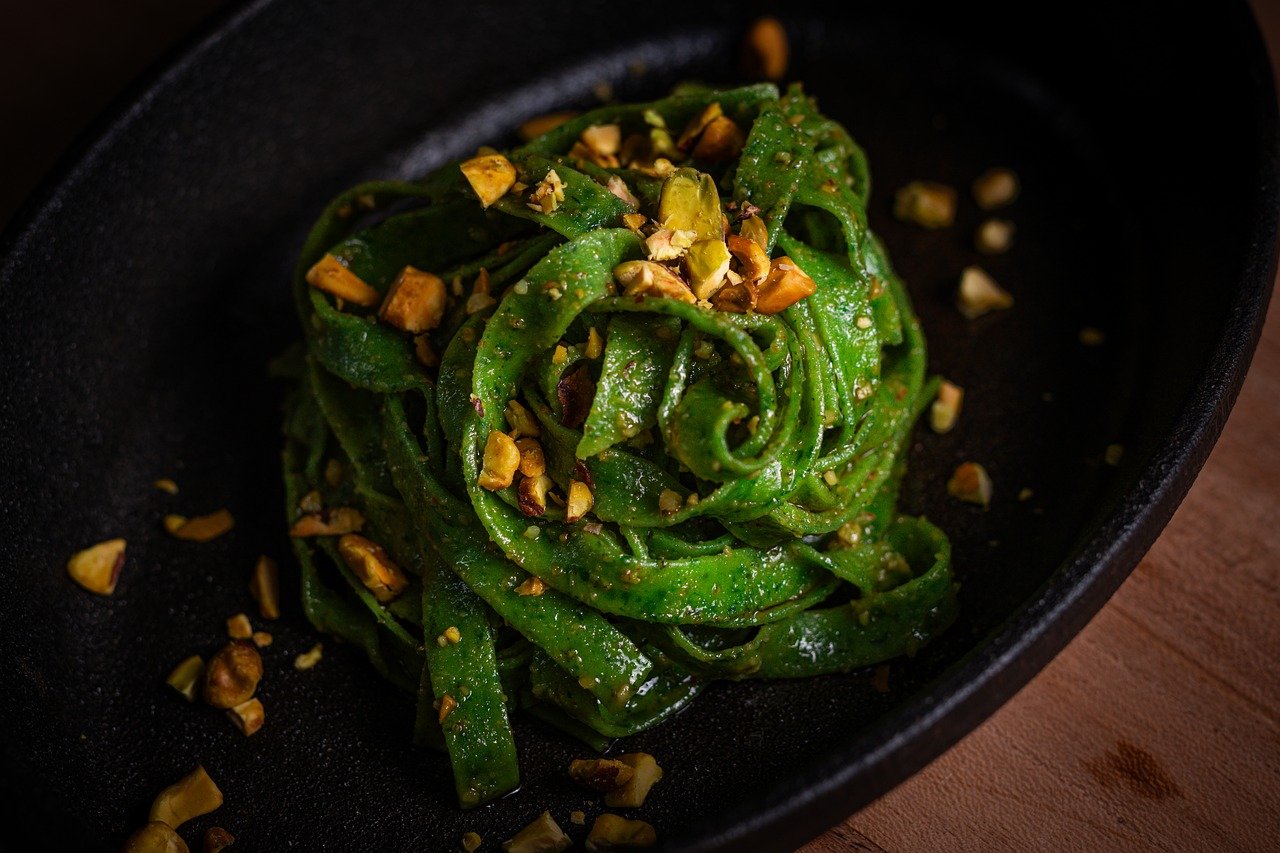
The art of food involves meticulous cooking techniques, styling, and presentation. From the prestige attached to French cuisine, where each dish resembles an art piece, to the humble Japanese ‘Bento’ box or the intricate Moroccan tagines, the world of food is filled with examples of culinary art.
The artistry in food is much appreciated in modern society, with the rise of food television shows and gourmet experiences. Gastronomy, in essence, is an art form that combines taste, smell, sight, and sometimes even sound to create a comprehensive and immersive experience.
Cultures profoundly influence their respective cuisines. This influence can stem from historical invasions, religious beliefs, geographical features, or even societal norms.
It most certainly does, from understanding the nutritional benefits of different ingredients to implementing safe food preservation methods. It plays a massive role in the food industry.
Yes, eating habits directly influence food trends. Since consumers have become better informed and conscious about their health and wellness, it has indirectly shaped the food industry in a way that it caters to these newer demands.
Indeed, art has a profound influence on food. The aesthetics associated with presentation, coupled with the creativity employed in combining flavors and textures, genuinely depicts culinary artistry.
Regulations on food safety, agricultural practices, animal husbandry, fishery, and food labeling standards hugely affect the food we consume.
From being a mere means of survival, food has evolved to represent humanity’s progress in arts, science, culture, and technology. It acts as a cultural ambassador and social glue that weaves people together. Understanding food, in all its diversity and complexity, can offer a window into human civilization’s depths. Whether it’s our daily breakfast ritual, the Sunday brunches, or the thanksgiving dinners, every morsel carries within it a chunk of history, a dash of art, a slice of science and a hearty warmth that binds us all together. Food, certainly, is much more than what meets the eye.

Exploring Global Cuisine: 7 Must-Try Exotic Dishes Food: A Trip Through Culinary Delight Food, commonly referred to in scientific terms...

Mastering Video Games: Top 10 Strategies for Success The immense world of gaming has evolved into an intricate universe that...
Revolutionizing Profit: 10 Key Strategies in Business & Economy Business and Economy in a Global Context Today, the world is...
5 Essential Tips for Effortless World Travel The Value of Travel Travel is a transformative experience that evolves us from...
Discover Global News Panorama at news.mapworldnow.com — your universal gateway to comprehensive, international journalism. From politics and technology to culture and sports, we cover all news niches and all news categories from every corner of the world, all in one place.